
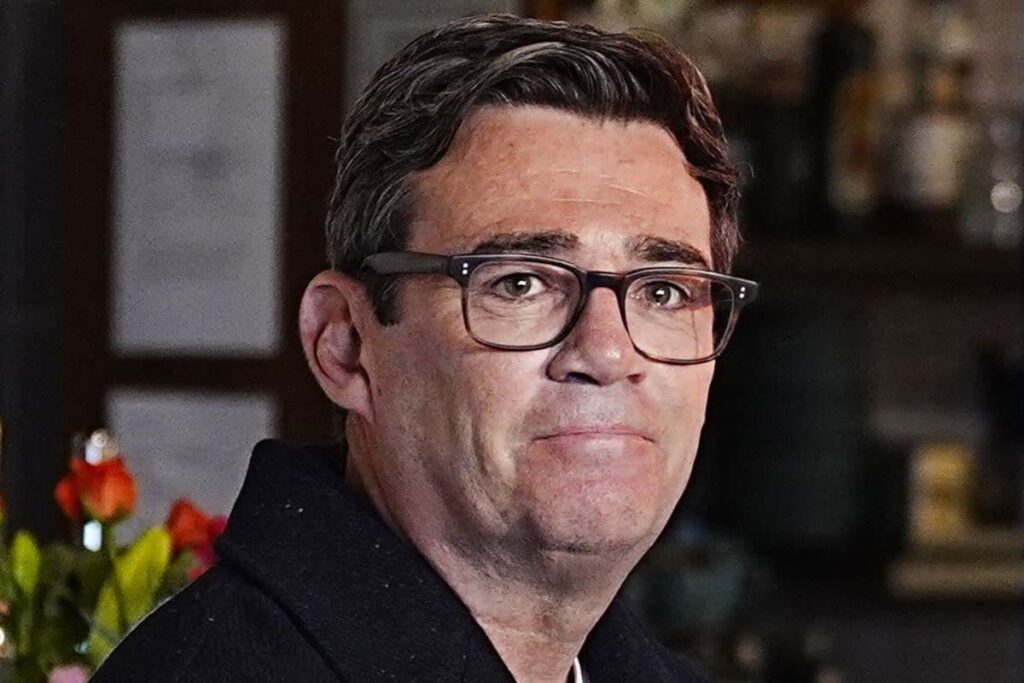
Andy Burnham takes office in London this week, and the European Union is suddenly unsure what to do with him. The summit that was meant to happen on July 22 — the second post-Brexit EU-UK meeting, built on months of careful reset work by Keir Starmer — has been postponed. Brussels is not ready to commit until it knows what this new prime minister wants.
That is the blunt reality. A summit with a lame duck was not worth holding.
A summit with an unknown is too risky to schedule. The mechanics are straightforward. Commission President Ursula von der Leyen and European Council President António Costa would have sat down with Starmer.
The agenda was set. The tone was warming.
Von der Leyen had publicly praised Starmer for bolstering European security, saying “it can take many leaders years to grow into the statesman you became in just two years.” That was not empty diplomacy. That was a signal that the EU saw a partner it could work with. Now that partner is gone.
Burnham is an unknown quantity. Senior EU figures are not hiding the fact that they valued what Starmer built. The reset was real.
The progress was tangible. And now it sits in limbo.
Commission spokesperson Paula Pinho said both sides are looking into “the opportunity of still holding the summit… and we will take it from here.” That is careful language. It means nothing is decided. It means the EU is watching.
One EU diplomat was blunter. “I fully understand that you’re not going to have a summit with a lame duck prime minister, but postponing the summit isn’t ideal.” The diplomat is worried.
The diplomat should be. Here is what is at stake. The post-Brexit relationship between the EU and UK is not a settled thing.
Trade frictions remain. Security cooperation is patchy. The Northern Ireland protocol still requires constant management.
Starmer had been methodically working through each of these, building trust one meeting at a time. That work is now paused.
Burnham is not Starmer. He may share the same party label. He may even share the same broad desire for a functional relationship with Europe.
But the EU has learned the hard way that British prime ministers can change direction fast. The Conservative years taught that lesson brutally.
Brussels is not eager for a repeat. The postponement is a symptom of deeper caution. The EU will not rush into a summit with a leader whose priorities are unclear.
Burnham has not yet spelled out his approach to Europe in any detail. The Commission is waiting to see what he says, what he does, who he appoints, what signals he sends. That wait could be brief.
It could also stretch. The July 22 date is off the table.
No new date has been set. The clock is ticking on a relationship that had only just started to recover. Follow the money, and the caution makes sense.
A summit is a political investment. You do not hold one unless you are reasonably sure of the return.
The EU is not sure about Burnham yet. So it waits. The question now is what Burnham does with that waiting period.
Does he move quickly to reassure Brussels? Does he signal continuity? Or does he take a different path entirely?
The EU is watching for the answer. And it will not commit until it gets one.




