
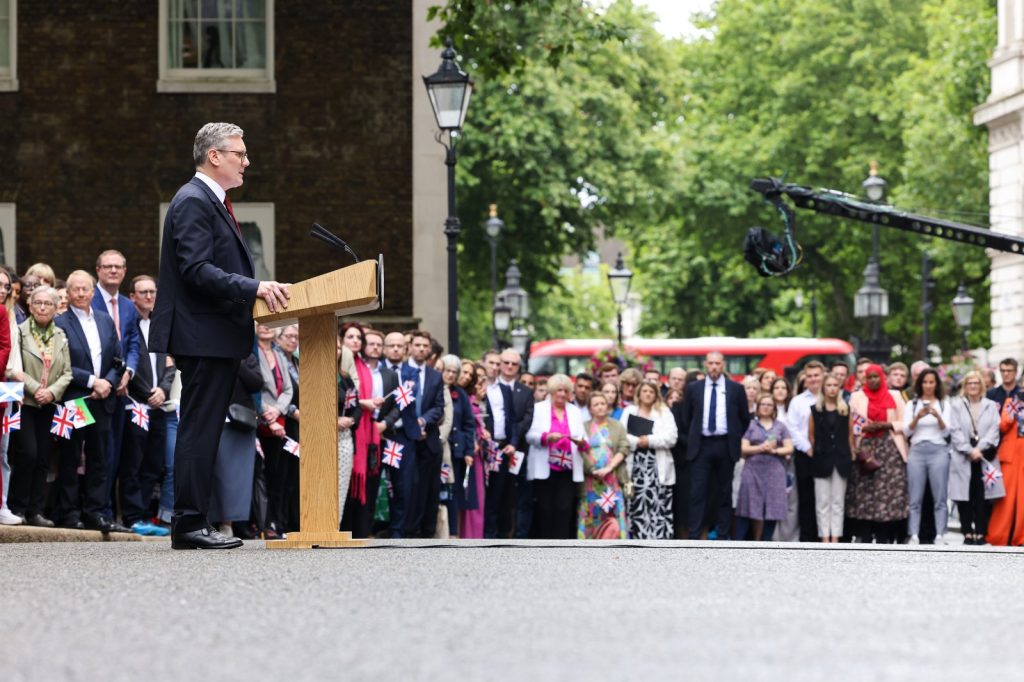
“Let us make this the moment when Britain starts to believe again,” Andy Burnham said on Monday, July 20, standing outside 10 Downing Street with dozens of supporters in front of him. “The moment we bring back hope.”
Burnham, 56 and a former Greater Manchester mayor, had just become Britain’s seventh prime minister in a decade, Reuters reported. He spoke without notes and without the lectern prime ministers usually use. Politicians, he said, had failed to deliver the stability needed to raise living standards.
“I know people at home are fed up with politics. I hear you, and I want to be honest with you, we have not been good enough and we need to be better,” he said. He called his premiership a “circuit-breaker for Britain.” His speech stayed on domestic matters and did not mention foreign affairs or his predecessor.
Starmer out, Healey in
Keir Starmer had left an hour or so earlier, telling reporters “My work is done.” He called being prime minister “the privilege of my life” and gave Burnham his “full support.” Starmer had been ousted by his own lawmakers a month before.
Burnham’s first big appointment was at the Treasury. He named John Healey, 66, as finance minister. Healey resigned as defence minister last month, accusing Starmer of failing to invest enough in the military and leaving the country “well short” of what it needed. Rachel Reeves was one of several Starmer allies to leave the cabinet. Ed Miliband, once seen as a frontrunner for the Treasury, became foreign secretary, and Shabana Mahmood stayed on as interior minister to continue her work on illegal immigration.
Labour lawmakers welcomed the Healey choice, saying it would tell Donald Trump and NATO that Britain was serious about defence spending.
What he promised
Burnham said his first priority would be ending rough sleeping. He promised a long-term plan for the next decade within months, more public housing, and cuts to welfare spending to pay for higher defence investment. Opposition parties said he would need to win a national election to get a mandate for it.
Immediate measures, he said, would come on Tuesday, along with an explanation of how they would be paid for. He described them as “things that people will feel and feel quite quickly.”
Markets reacted to one remark. Sterling slipped and British borrowing costs rose when Burnham said he would keep to the previous government’s fiscal rules while looking for any flexibility inside them.
His first phone call was with Trump, and Burnham suggested a visit to Manchester. A Downing Street spokesperson said he stressed Britain’s commitment to defence and security and to securing the movement of shipping in the Strait of Hormuz. Labour lawmakers regard him as one of the few figures able to face down Nigel Farage’s Reform UK, something they doubted the unpopular Starmer could do.




