
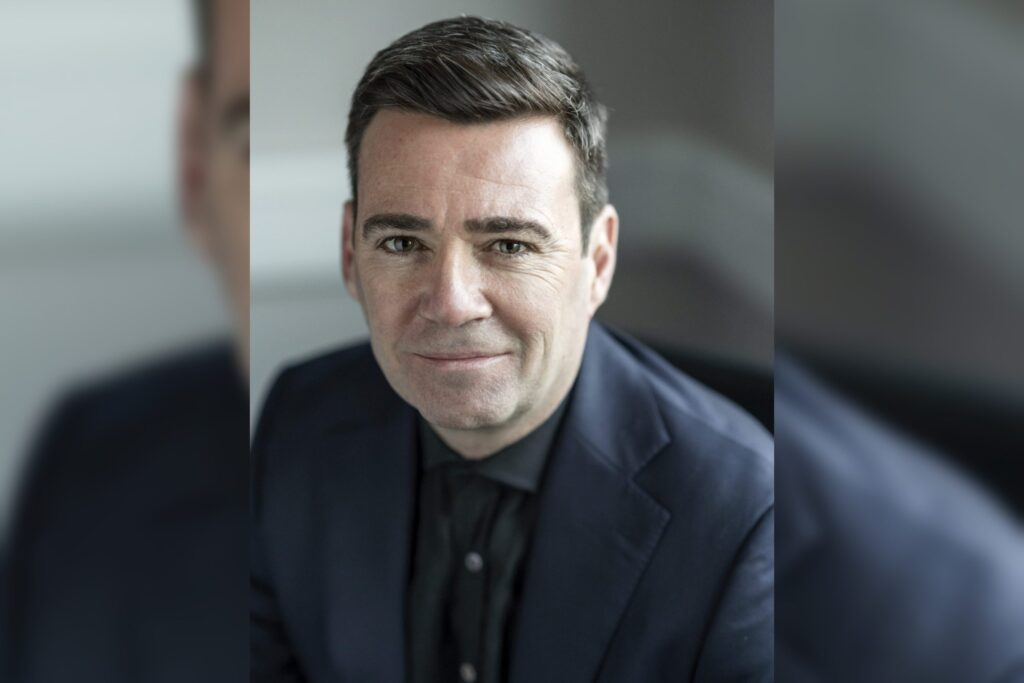
Food prices have jumped by 40% in just a few years. Hiring has dropped to its lowest level in five years. And the man about to move into Downing Street, Andy Burnham, has said little about how he plans to deal with either.
The BBC’s assessment of the economy he inherits as the UK’s fifth prime minister in four years opens with a simple point: the problems stay the same whoever holds the job. People want more job opportunities, better living standards and public services that are not stretched thin, and their patience has worn down.
Growth that stalled
From 1990 to 2007, the average person got about 2.5% better off every year. Since then the pace has been half that. The result, according to the BBC, is households that are thousands of pounds worse off than they would have been. Years of weak public and private investment, through austerity and then after Brexit, hurt productivity. Covid and higher energy prices piled on.
The war between the US-Israel side and Iran has hit the economy less than once feared. Still, the BBC says lifting growth permanently will take more investment and more focus on skills. Burnham has hinted at both, along with greater state control of utilities to bring bills down.
Young people and jobs
Employers are reluctant to hire for reasons beyond the latest downturn. Automation plays a part, and so do government policies such as higher national minimum wages and taxes. Job losses are concentrated in retail and hospitality, sectors that are sensitive to labour costs and that usually offer entry-level work.
A recent report by former Labour minister Alan Milburn tied the long erosion of those posts to rising youth joblessness. He warned the number of young people not in employment, education or training could climb to one in six. The second half of his report, with policy recommendations, is due later in the year.
Money he does not have
Burnham has not said whether taxes will rise or fall. He has promised to keep to the current borrowing and spending rules: borrow only to invest, and in a few years start cutting debt as a share of the economy. Before the Iran war, Chancellor Rachel Reeves believed she could meet those rules with £24bn to spare, though the conflict may have eaten much of it. Interest on the national debt already takes one in every £10 the government spends.
Demands stack up on top. Welfare spending is set to rise by over a quarter between 2025 and 2030. Official forecasters expect the triple-lock state pension to double in cost within 50 years, and Lord Jim O’Neill, one of Burnham’s new advisers, backs simplifying it. Raising defence spending to 3.5% of GDP by 2035 could cost tens of billions of pounds.
Housing is another test. New-home numbers fell 6% last year, short of the 300,000 the government needs. Burnham wants more social housing. The BBC’s closing question is the sharp one: he must spend more to make money, “but whose money?”




