
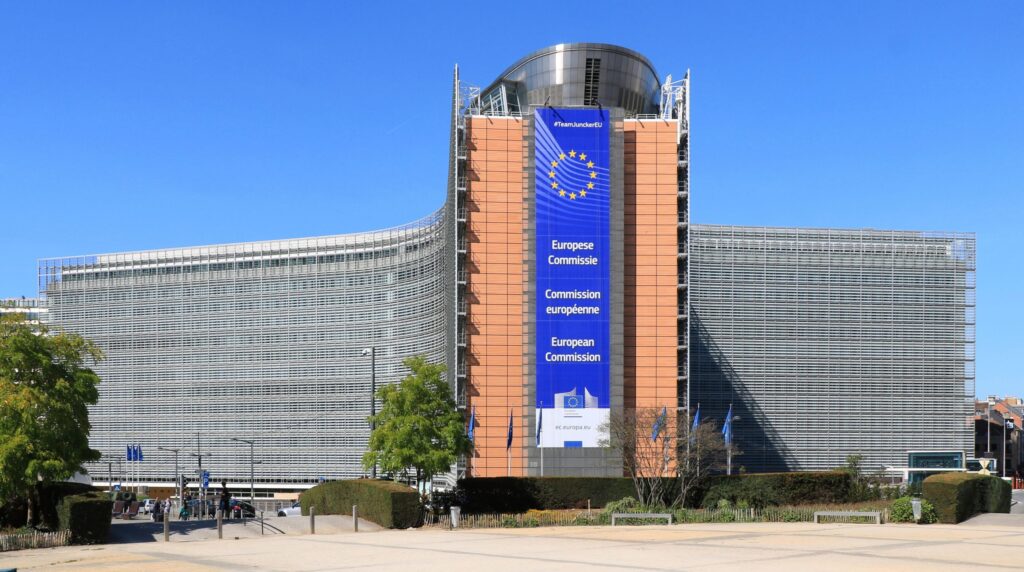
On 17 November 2023, the European Commission announced that it would halt all paid advertising on the social‑media platform X. The decision follows growing concerns within the EU that the service has not sufficiently curbed the spread of false or misleading content, which the Commission believes could damage the Union’s reputation.
The move is being taken by the Commission’s executive cabinet, a body of 27 members—one representing each EU member state. This cabinet directs a civil service workforce of roughly 32 000 officials who are responsible for putting the Commission’s policies into practice. The administration is organised into a series of Directorates‑General, each led by a director‑general who reports to a designated Commissioner, allowing the institution to address issues ranging from economic policy to digital governance with specialised expertise.
By suspending paid ads on X, the Commission aims to send a clear message that it will not tolerate the amplification of disinformation. Officials have been monitoring the platform’s content ecosystem closely, and the suspension reflects a determination to mitigate the risks that false information poses to individuals, communities and broader society.
The impact of the ban is expected to be far‑reaching. It will affect the platform’s revenue streams, its advertisers, and potentially the way users encounter sponsored material. More broadly, the step underscores the Commission’s commitment to safeguarding the EU’s information environment and fostering a safer online space for its citizens.
Beyond regulatory action, the Commission stresses that combating disinformation requires a multi‑layered strategy. It highlights the need for digital literacy, critical thinking and media‑literacy programmes that equip citizens to evaluate online content more effectively.
Education, public‑awareness campaigns and community engagement are presented as complementary tools to legislation. The announcement also points to the importance of cooperation among governments, technology firms and civil‑society groups. The Commission argues that a collective effort is essential to nurture a culture of truth, transparency and accountability in the digital sphere.
Looking ahead, the suspension of paid advertising on X is positioned as a milestone in the EU’s broader agenda for digital governance. The Commission anticipates that the measure will pave the way for further initiatives and partnerships aimed at addressing the challenges posed by disinformation.
As digital platforms continue to evolve, the EU expects to develop additional policies and innovative solutions that reinforce digital literacy and promote a more transparent online ecosystem. In summary, the European Commission’s decision to block paid ads on X reflects a decisive response to the perceived threat of disinformation, aligns with its internal governance structure of 27 cabinet members overseeing 32 000 civil servants, and signals a broader commitment to protecting the integrity of information across the Union.




