
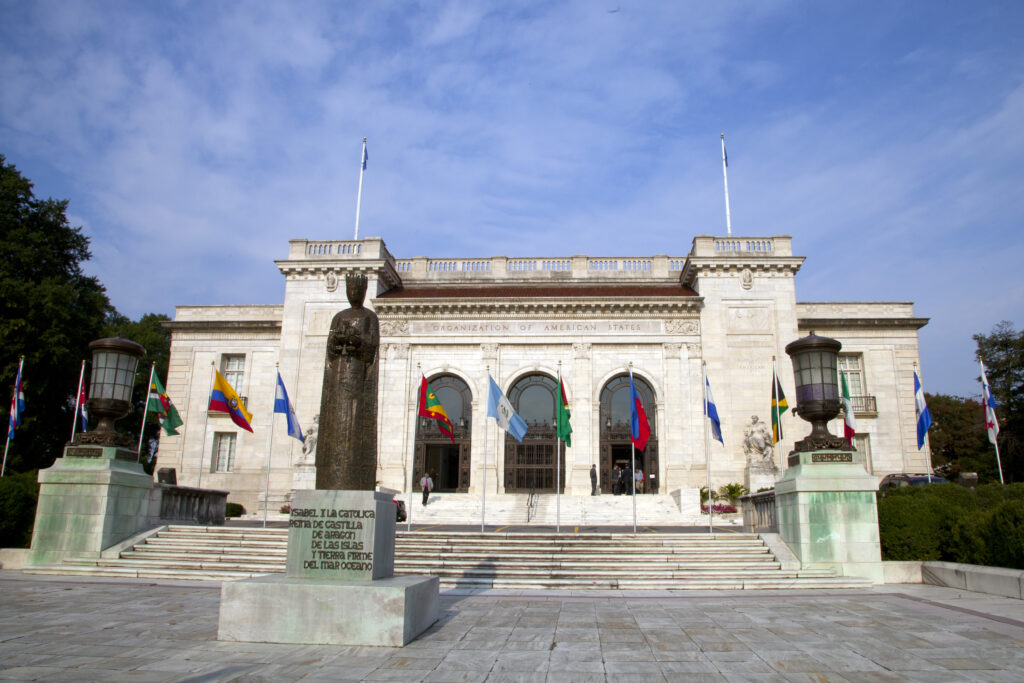
Nicaragua Completes Its Exit from the Organization of American States
On November 19, 2023, Nicaragua formally withdrew from the Organization of American States, ending a membership that had been strained for years. The decision follows a prolonged disagreement with the OAS, which has repeatedly criticized the Nicaraguan government for alleged human rights violations and democratic backsliding.
As the largest nation in Central America by land area, Nicaragua’s departure is viewed as a significant setback for the OAS’s mission to foster democracy and protect human rights across the region. Analysts warn that the vacuum left by Nicaragua’s exit could be filled by actors with weaker democratic commitments, potentially altering the balance of influence in Central America. Observers note that China has been actively seeking to expand its diplomatic and economic footprint in the region.
Nicaragua’s move away from the OAS may open additional space for Beijing to deepen ties with Managua, a development that could complicate the longstanding role of the United States as the primary external partner in Central America. U.S.–Nicaragua relations have been tense since the election of President Daniel Ortega in 2007.
Washington has repeatedly condemned what it describes as Ortega’s authoritarian tendencies and has sanctioned several senior Nicaraguan officials over human rights concerns. In turn, Nicaraguan officials accuse the United States of meddling in internal affairs and threatening national sovereignty. The U.S. State Department reacted to the withdrawal by expressing deep concern and reiterating its commitment to promote democratic values and human rights not only in Nicaragua but throughout the hemisphere.
It also said it will continue to work with regional partners to support cooperation and stability. The implications extend beyond Washington.
Neighboring countries such as Costa Rica and Honduras, which have also voiced criticism of Nicaragua’s rights record and advocated for democratic norms, warned that the exit could heighten regional tensions. A statement from the Costa Rican government characterized the withdrawal as a setback for regional cooperation and warned it might lead to increased friction among Central American states. Economically, Nicaragua remains heavily reliant on foreign aid and investment. The International Monetary Fund has highlighted that the country’s growth has been sluggish and that its dependence on external financing makes it vulnerable to shifts in donor sentiment.
Leaving the OAS could complicate efforts to attract international support, especially as Managua has pursued closer ties with China and Iran—relationships that have met skepticism from Western donors and lenders. Looking ahead, analysts suggest that Nicaragua’s exit marks a turning point in its foreign policy orientation.
The country will likely face challenges in balancing its desire for alternative partnerships with the need to maintain access to traditional sources of aid and trade. Meanwhile, the United States and other Western nations will need to calibrate their responses, weighing the promotion of democratic principles against the risk of further isolating Nicaragua. While the full consequences remain uncertain, the withdrawal undeniably reshapes the diplomatic landscape of Central America, with potential ripple effects for security, economics, and governance in the years to come.




