
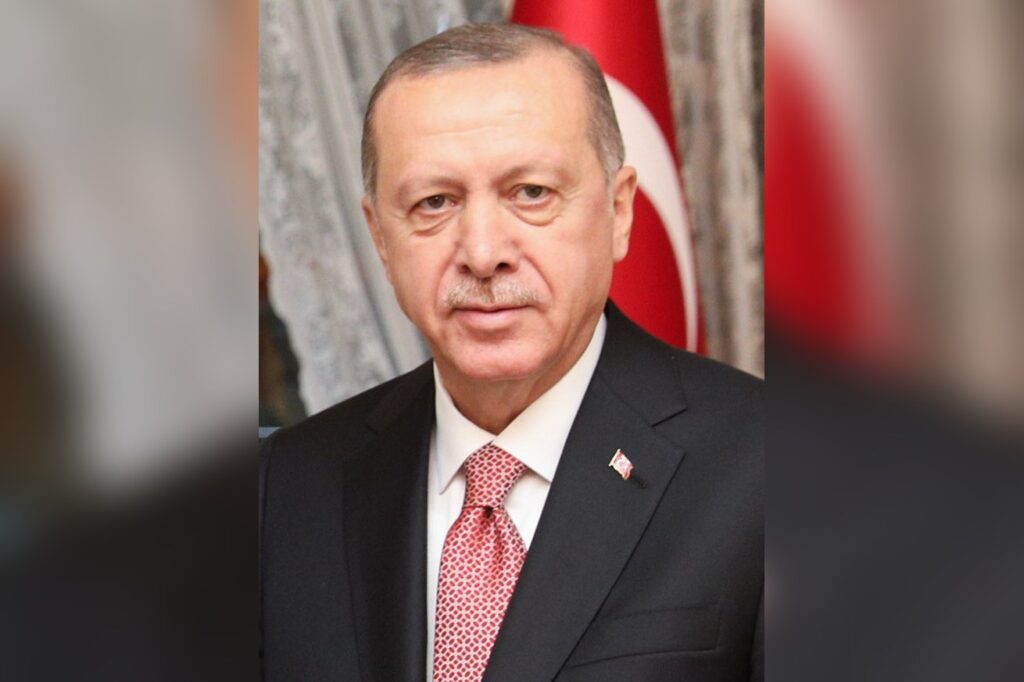
Before he ran Turkey, Recep Tayyip Erdogan sold simit from a red three-wheel cart in Istanbul. He wore a white gown, stacked the sesame bread rings behind glass, and pushed them through the streets of Kasimpasa, the Beyoglu neighbourhood where he was born on 26 February 1954 to a modest, conservative Muslim family. As a teenager he also resold postcards and sold bottled water to drivers stuck in traffic, funded at the start by a weekly allowance of 2.5 lira from his father.
He played semi-professional football for a local club, Camialtispor. Today the stadium of Kasimpasa S.K. carries his name.
From preacher’s school to City Hall
Erdogan finished the Istanbul Imam Hatip High School, a religious vocational school, in 1973, and classmates started calling him “hoca”. A talent for oratory showed early. He won a poetry-reading competition and later said such contests “enhanced our courage to speak in front of the masses”. In 1976 he joined the National Turkish Student Union and became head of the Beyoglu youth branch of the Islamist National Salvation Party. The 1980 military coup ended that phase, and he moved into private-sector work.
The 1991 election brought a near miss. Erdogan led the Welfare Party’s district list in Istanbul and was thought to have won a parliamentary seat, but the open-list count gave it to Mustafa Bas, about 13,000 preference votes to his roughly 9,000.
In 1994 he ran for mayor of Istanbul as a young dark horse, mocked by the mainstream media and treated by opponents as a country bumpkin. He won with 25.19 percent of the vote. “Democracy is like a train: when we reach our destination, we get off,” he said at the time.
The job was bread-and-butter. He took on water shortages, waste collection and congested traffic. Hundreds of kilometres of new water pipes went in, more than fifty bridges, viaducts and highway stretches were built, and he paid back a major portion of the city’s two-billion-dollar debt while investing four billion in Istanbul.
The poem and the prison
In December 1997, in Siirt, Erdogan recited a version of a poem by Ziya Gokalp that opened with the lines “The mosques are our barracks, the domes our helmets / The minarets our bayonets and the faithful our soldiers.” A judge treated it as incitement to violence and religious or racial hatred. Erdogan answered that the poem had appeared in state-approved books.
The sentence was ten months. He lost the mayor’s office and was banned from elections. An appeal to convert the term to a fine instead cut it to four months, served from 24 March to 27 July 1999 at Pinarhisar prison in Kirklareli. The day he went in, he released an album of seven poems, This Song Doesn’t End Here. It became Turkey’s best-selling album of 1999, with more than a million copies sold. When he returned to Pinarhisar in 2013, he called it “a symbol of rebirth, where we prepared the establishment of the Justice and Development Party”.
Power
He co-founded the AKP in 2001 and dropped openly Islamist policies. In 2002 the party won a landslide in the Grand National Assembly election. Erdogan became prime minister in 2003 after winning a by-election in Siirt, and the AKP won again in 2007 and 2011. His years in that office brought recovery from the 2001 economic crisis, the start of EU membership talks and a smaller political role for the military. In late 2012 his government opened peace negotiations with the PKK, which collapsed three years later.
In 2014 he became Turkey’s first directly elected president. After the failed coup attempt in 2016, a state of emergency was imposed. He oversaw the change from a parliamentary to a presidential system with expanded executive powers. Critics describe the presidency as a period of democratic backsliding, high inflation and a weaker lira. In 2025 he oversaw the arrest of Istanbul mayor Ekrem Imamoglu, who was then barred from the 2028 presidential race as the opposition front-runner, and protests followed.
Sources
- Recep Tayyip Erdoğan – Wikipedia
- Recep Tayyip Erdoğan – Wikipedia
- I Am Running for President in Turkey. From My Prison Cell




