
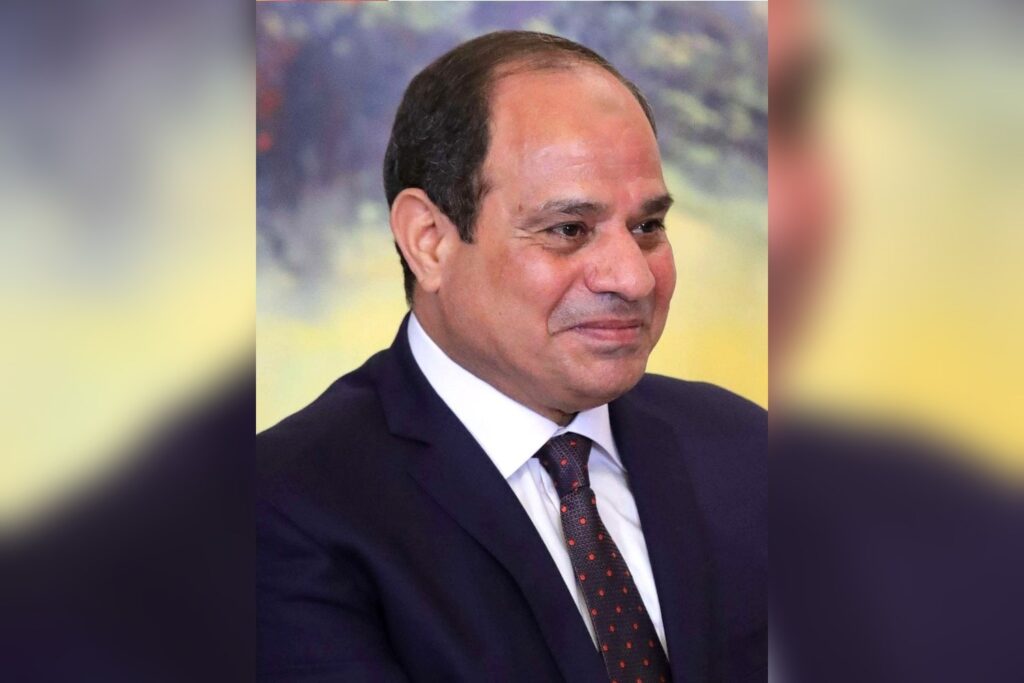
“Every drop of water that is seized because of the dam means a shortage of water used for drinking, irrigation and production in Egypt, which leads to the collapse of the entire Egyptian state.” Abdel Fattah al-Sisi said that, according to Anadolu Agency’s 2021 analysis of the dispute, and it remains the plainest statement of why the Grand Ethiopian Renaissance Dam (GERD) matters so much to the Egyptian president.
Why Cairo calls it a red line
Roughly 80 percent of Cairo’s water supply comes from the Nile. Sisi has called the dam’s effects a red line that could justify military intervention, and Egypt and Sudan both treat the structure as a national security threat.
The numbers explain the alarm. In a May 2020 Council on Foreign Relations piece, Alvin Young cited projections on how fast Ethiopia fills the reservoir. A ten-year schedule would cut Egypt’s water supply by 14 percent and remove 18 percent of its farmland. A three-year schedule would cut supply by 50 percent and could shrink farmland by 67 percent.
Ethiopia sees the dam differently. It expects the project to supply electricity to over 75 million of its citizens, with surplus power for neighbors, and Anadolu noted that many of its 115 million people live with chronic outages. When Ethiopia finished the second-stage filling on July 19, 2021, Prime Minister Abiy Ahmed said it was done “with caution” and “will not harm the downstream countries.”
Talks that went nowhere
Egypt took its complaint to the UN Security Council, arguing that Ethiopia refused to negotiate a comprehensive deal on filling and operating the dam. The United States, Russia and the World Bank all tried to mediate. The African Union mostly stayed out, even though Abiy had invited South Africa’s Cyril Ramaphosa, then the AU chair, to broker talks earlier in 2020.
Anadolu’s analyst doubted that Sisi would act on his warnings. He pointed out that Sisi had once called Sirte a “red line” during Libya’s crisis, and that a war would carry heavy political risk for a government already coping with the COVID-19 economic hit and social discontent. Sudan, for its part, has cast itself as a go-between for Cairo and Addis Ababa. The likelier outcome, the analysis suggested, is a “frozen conflict.”
Washington returns
In January 2026, Michelle Gavin of the Council on Foreign Relations wrote that President Donald Trump had revived American mediation by writing to Sisi. Egypt and Sudan welcomed the move. Gavin noted that in Trump’s first term, Washington proposed an accord Egypt could accept but Ethiopia rejected, and that national pride in the dam is one of Ethiopia’s most unifying sentiments.
She also pointed to a 1959 water-sharing agreement between Egypt and Sudan that left Ethiopia and other upstream countries out entirely. Egypt views the dam under Ethiopian control as an existential threat, while Ethiopia calls it vital to development. “An agreement would be far preferable to the mutual suspicion and periodic saber-rattling that characterizes Egypt-Ethiopia relations now,” Gavin wrote.
Sources
- ANALYSIS: Nile Dam Dispute After Ethiopia's Second-Stage Filling (Anadolu Agency)
- AU Leadership Absent From Egypt and Ethiopia Dam Dispute (Council on Foreign Relations)
- The Danger of Renewed U.S. Interest in the GERD (Council on Foreign Relations, Michelle Gavin)




