
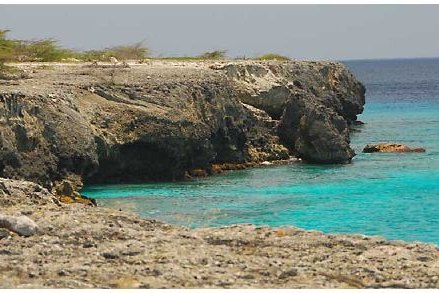
The district court in The Hague delivered a historic verdict, compelling the Kingdom of the Netherlands to produce a legally binding strategy aimed at shielding Bonaire, its Caribbean island constituent, from the escalating threats of climate change. The judgment follows the court’s conclusion that the measures currently in place do not adequately protect the roughly 20,000 island residents from sea‑level rise and intensifying weather extremes.
Under the ruling, the Dutch administration must formulate a comprehensive plan that sets concrete, enforceable emissions‑reduction targets consistent with the objectives of the Paris Agreement. The court emphasized that the plan must be “clear and ambitious,” and that the government is obliged to submit regular progress reports to ensure compliance.
Bonaire, celebrated for its pristine beaches, coral reefs and distinct wildlife, sits low on the Caribbean map, making it especially susceptible to flooding and storm surges. Island inhabitants have long campaigned for stronger climate action, arguing that the Dutch government bears responsibility for safeguarding their rights and livelihood.
Environmental organisations and local communities have welcomed the decision as a pivotal step in the broader climate‑justice movement. By demanding a “concrete, detailed, and enforceable” framework, the court not only addresses Bonaire’s immediate vulnerabilities but also establishes a precedent that could influence how other nations respond to climate‑related legal claims.
The Paris Agreement, adopted in 2015, provides a global roadmap for curbing greenhouse‑gas emissions but lacks legally binding enforcement mechanisms. The Hague ruling suggests that national courts may increasingly hold governments accountable for meeting—or exceeding—those international commitments, especially when citizens’ safety is at stake.
Experts see the mandated plan as an opportunity to integrate emerging technologies and scientific insights into Bonaire’s climate response. Dr. Jennifer Francis of the University of Groningen noted that “there are many promising new technologies and strategies that could be used to reduce emissions and protect vulnerable communities like Bonaire.” She added that success hinges on tailoring solutions to the island’s specific conditions and leveraging the latest research.
Similarly, climate scientist Dr. Katherine Hayhoe of Texas Tech University described the judgment as “a wake‑up call for governments around the world to take action on climate change, and to use the latest scientific research and technological advancements to protect their citizens and reduce emissions.” Both scientists stress that a well‑designed plan should blend mitigation efforts with adaptation measures suited to Bonaire’s unique geography.
Implementation will require the Dutch government to outline precise greenhouse‑gas reduction milestones and to detail adaptation actions such as coastal defenses, ecosystem restoration, and resilient infrastructure upgrades. Ongoing judicial oversight, through the mandated progress reports, aims to keep the initiative transparent and accountable.
The ruling arrives at a time when the global community is intensifying its focus on climate resilience, particularly for small island territories that face disproportionate risks. By mandating a legally enforceable strategy, the Hague court has set a benchmark that could inspire similar legal challenges elsewhere, reinforcing the notion that governments must translate international climate pledges into actionable, protected policies.
As the Netherlands begins drafting its Bonaire climate plan, the island’s future hinges on the effectiveness of the proposed measures and the commitment to monitor and adjust them as scientific understanding evolves. The decision underscores a growing legal recognition that protecting citizens from climate impacts is not merely an environmental issue, but a matter of fundamental rights and governmental duty.




