
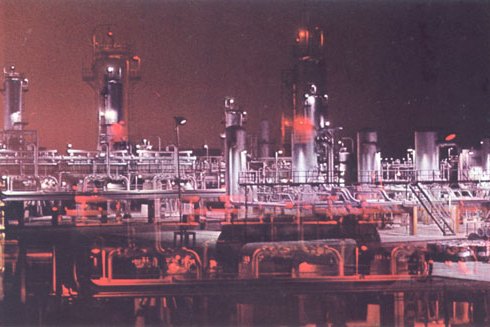
Saudi air defenses shot down drones aimed at petroleum facilities, some of them near Riyadh, on Monday. Riyadh blamed Iran-backed armed groups operating from Iraqi territory and said it reserves the right to respond, according to Reuters.
The same day, Yemen’s Houthi movement claimed drone strikes on oil transport infrastructure linked to Yanbu, Saudi Arabia’s Red Sea port. The group called the attacks retaliation for what it described as repeated Saudi drone incursions into Yemeni airspace.
Jordan said it downed two drones. Iraqi security sources reported several drone attacks in the north of the country. Neither government said who launched them.
A pause under strain
The attacks came two days after President Donald Trump unexpectedly halted a 13-night U.S. bombing campaign against Iran. A U.S. official said senior commanders had told him the operation had hit the limits of what it could achieve, with fewer viable targets left and air defense munitions running down.
Trump says talks continue. Washington is in “very deep talks with Iran,” he said, but he warned of “strong military action” if diplomacy fails. Asked by Axios how long he would give negotiations, he answered: “Not much time. Either it goes fast or not at all.”
Iran denies asking for new talks. Foreign Ministry spokesperson Esmail Baghaei said contact goes on through mediators, but called claims that Tehran sought negotiations “fabricated.”
Iranian state media added that authorities turned back six vessels trying to pass through the Strait of Hormuz without Tehran’s permission.
Oil prices
Markets had welcomed the bombing pause. Brent crude fell more than 6% on Monday after jumping above $100 a barrel during the recent escalation. For import-dependent Asian economies, a swing like that shows up quickly in fuel and food bills, though the drone attacks and the Hormuz dispute leave it unclear whether the calm will hold.




