
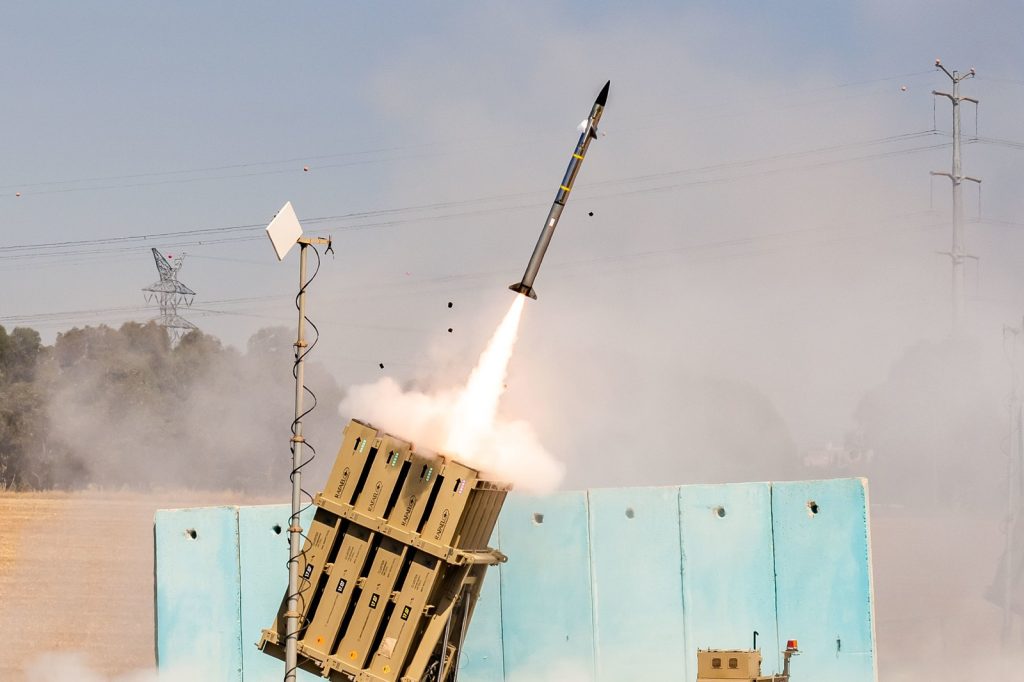
An Iranian Shahed-type drone costs about $20,000. The interceptor missiles the United States and Israel use against it cost around $3 million apiece. One analysis of the wars in Ukraine and between Iran, the United States and Israel argues that this gap is rewriting how military power is counted.
The author’s math is simple. If a defender spends $300 million to stop 100 drones, he writes, the attacker has “already won the economic battle,” even if 99 percent of the drones are shot down. Iran, in this telling, does not need to beat a superior air force. It only needs to bankrupt one.
Cheap weapons, costly losses
The analysis points to Ukraine for the other side of the ledger. There, it says, a $20,000 Iranian-made drone could destroy a $50 million Western-supplied howitzer, and Russian Su-34 and Su-35 jets were brought down by man-portable air defense systems costing $50,000.
In the Red Sea, it says, U.S. Navy destroyers have spent months fighting Houthi drones and missiles that cost a fraction of a single Standard Missile-3 interceptor. The author’s verdict: the Americans are winning the tactical engagements and losing the economic war.
Mines get the same treatment. At $50,000 each, the piece says, they let Iran threaten the Strait of Hormuz and the global oil supply without a naval battle.
What the buyers are told
The most pointed section is aimed at wealthy states, the Gulf nations in particular, that have spent heavily on fifth-generation fighters, THAAD and S-400 air defense systems and stealth bombers. The author calls these systems designed for the last war.
He lists three problems. A single F-35 costs upwards of $80 million, he writes, the price of 4,000 Shahed-class drones. High-tech weapons also need constant maintenance, specialized training and supply chains running back to Washington or Paris, while Iran’s drones use commercially available components and can be built in basements and warehouses. And a squadron of F-35s no longer frightens anyone, he says; adversaries “are calculating.”
His prescription is blunt: “Stop buying 100 stealth jets. Start buying 10,000 loitering munitions.” He favors a hybrid posture that pairs high-end platforms with mass-produced, expendable and autonomous systems. These are one analyst’s views, and the figures are his.




