
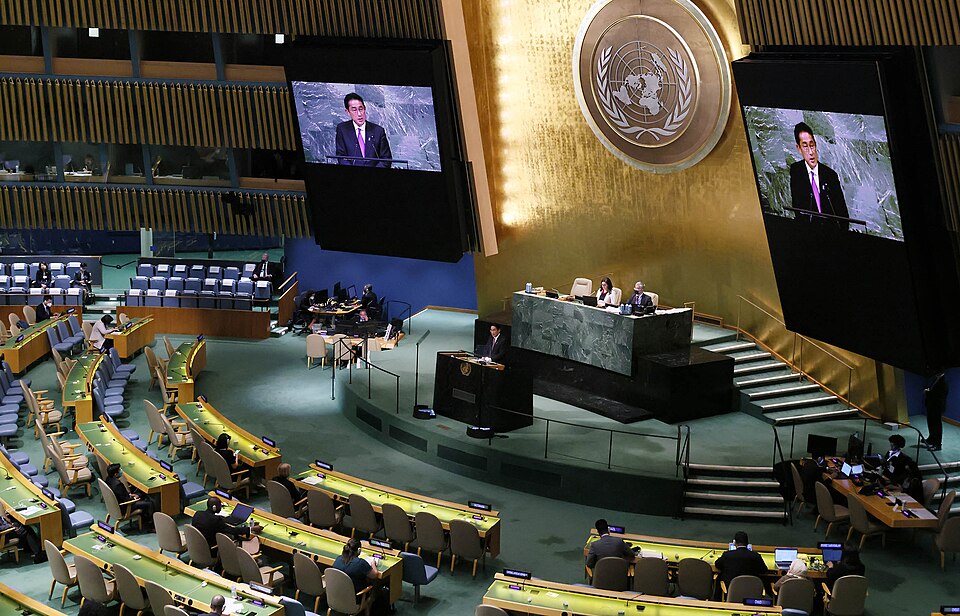
UNITED NATIONS, September 24 — Against the backdrop of a General Assembly hall filled with heads of state and foreign ministers, a coalition of dozens of nations pressed Moscow to halt its war in Ukraine, issuing a joint statement that called for an immediate ceasefire and demanded Russia accept the truce Kyiv had already offered. The statement was released as world leaders gathered in New York for the UN General Assembly, and it urged Russia to end its aggression and agree to an immediate ceasefire.
It also called on Moscow to accept the ceasefire commitment Ukraine had made in March 2025, and it referenced a Black Sea initiative.
A Question of Numbers
The tally of backers has been reported in two ways. The Kyiv Independent, UNITED24 Media, Kyiv Post and Ukrinform put the figure at 51 countries backing Ukraine in the joint call. Ukrainian Pravda and Nasha Niva reported 50 countries plus the European Union.
What is not in dispute is who stayed out. The United States did not join the statement, according to Nasha Niva.
Russia shrugged off the demand. Georgia was among the countries that signed on in support of Ukraine, according to sovanews.tv — a detail worth noting in the corridors of the UN, where Tbilisi’s alignment has been watched closely since the war began.
Strikes Continue as Diplomats Meet
The diplomatic push coincided with continued Russian strikes on Ukraine. Kyiv Post reported the latest attacks left 2 dead and 40 injured. Separately, the EU and five other countries condemned Russia’s elections as a sham, according to RFI.
Two other statements emerged from the same week of diplomacy. The Canada-Nordic-Baltic Eight meeting produced a joint statement issued in New York City on September 22, 2026, with Estonia’s Minister of Foreign Affairs Margus Tsahkna and Canada’s Minister of Foreign Affairs Anita Anand named in the Global Affairs Canada statement.
What is at stake is whether the March 2025 ceasefire commitment — now endorsed by dozens of capitals — can be converted from a diplomatic text into a halt in the fighting. The wider picture is a General Assembly that has become the venue of choice for coalition-building on Ukraine, while the battlefield and the negotiating table remain far apart.




