
Diplomatic Efforts Remain Stalled
The first major round of talks took place in Belarus in February 2022, shortly after the invasion started. That was followed by negotiations in Istanbul, Turkey, in March 2022, which produced a draft agreement. That draft collapsed and did not lead to a final accord, the historical record shows. Turkish President Recep Tayyip Erdogan mediated the Istanbul talks. French President Emmanuel Macron and German Chancellor Olaf Scholz have also been involved in diplomatic efforts.
Earlier attempts to halt the fighting also failed. The Minsk agreements of 2014 and 2015, which aimed to end the war in the Donbas that began with Russia’s annexation of Crimea and the invasion of that region in 2014, did not achieve a lasting peace. That pattern has repeated: talks have proceeded in rounds since 2022, producing draft language but no final agreement.
As of 2025, no formal peace treaty has been signed. The strategic context suggests that neither side has altered its core demands sufficiently to permit a breakthrough. What to watch next includes whether any new mediation effort emerges from Turkey or another party, and whether the Trump administration releases further details of its proposal.
Core Demands Unchanged on Both Sides
Ukrainian President Volodymyr Zelenskyy has demanded the withdrawal of Russian troops from all occupied territories, including Crimea. Russian President Vladimir Putin has insisted on Ukrainian neutrality and recognition of Russian sovereignty over Crimea and other regions. These positions have not shifted in any publicly verifiable manner, according to officials familiar with the talks.
U.S. President Donald Trump has proposed a peace plan that includes territorial concessions and a demilitarized zone, though details remain unclear, according to available information. The proposal has not been publicly detailed in full, and no formal response from either side has been confirmed. The deadlock over core positions has kept talks from moving forward, and the record shows no change in that dynamic.
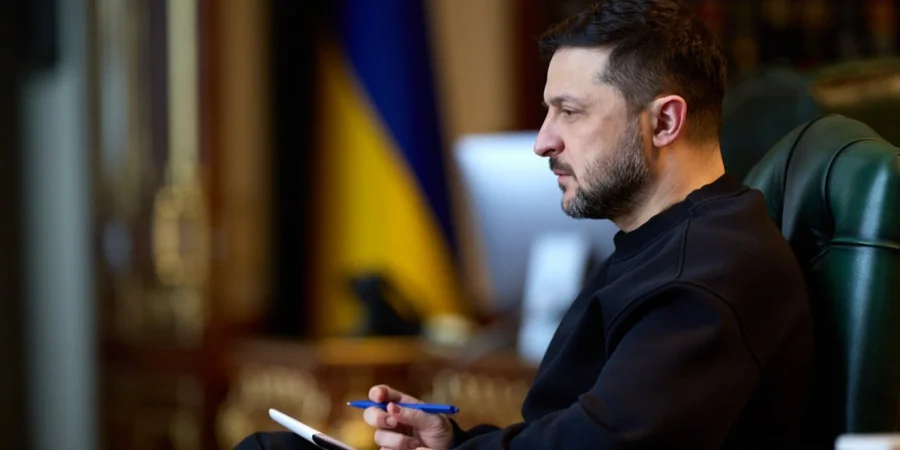
The President at the Center of a Long War
Volodymyr Zelenskyy is a Ukrainian politician and former entertainer who has served as the country’s sixth president since 2019. Born into a Russian-speaking Jewish family in Kryvyi Rih, he earned a law degree but built his career in comedy and television. He co-founded the production company Kvartal 95, which created the popular television series “Servant of the People,” in which he played a fictional Ukrainian president. A political party with the same name was founded in 2018, and Zelenskyy ran for president as an anti-establishment and anti-corruption candidate. He won in a landslide second-round victory, unseating the incumbent president.
Zelenskyy took office five years after the start of the Russo-Ukrainian war, which began with Russia’s annexation of Crimea and the invasion of the Donbas in 2014. During his early presidency, he pursued dialogue with Russian President Vladimir Putin and sought to implement the Minsk agreements of 2014 and 2015. Those accords ultimately failed to produce a lasting peace. In 2021, a large Russian military buildup on Ukraine’s borders escalated into a full-scale invasion in February 2022, a conflict that has continued without a final settlement.
As president, Zelenskyy has championed e-government and promoted unity between Ukraine’s Ukrainian- and Russian-speaking populations. He relies heavily on social media to communicate with the public and with international leaders. His leadership during the full-scale war has turned him into a central figure in peace negotiations. He has consistently demanded the withdrawal of Russian troops from all occupied territories, including Crimea, a position that has not shifted in any public forum.
This stance, along with Russia’s insistence on Ukrainian neutrality and recognition of its claims over Crimea




