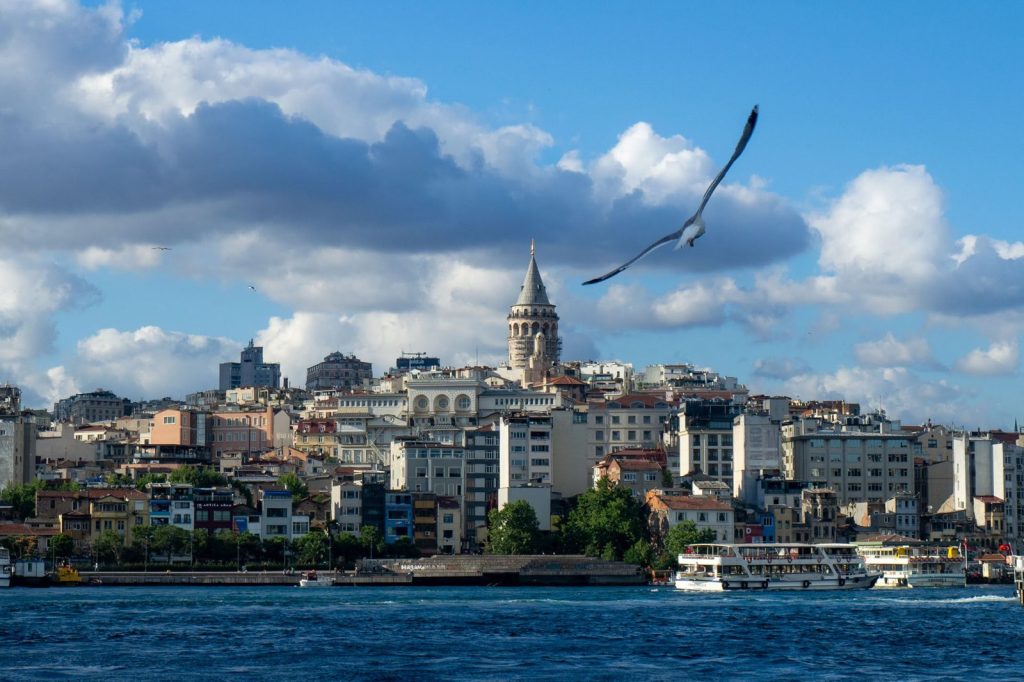
Eight foreign ministers sat down in Istanbul on October 23 and left with a joint call for de-escalation, diplomacy and dialogue. Pakistan, Turkiye, Egypt and Saudi Arabia, the four countries known as the R4 bloc, were joined by their counterparts from France, Germany, Italy and the United Kingdom.
Pakistan’s Ministry of Foreign Affairs issued the press release that described the meeting. Delegates went through the geopolitical problems of the moment, among them the ongoing military conflict involving the United States, Israel and Iran. They asked for negotiated solutions built on established international diplomatic frameworks.
Gaza, Yemen and the shipping lanes
The talks also took in the wider Israeli-Palestinian conflict. Every delegate repeated the case for a negotiated two-state solution. The ministers condemned what they called unprovoked Houthi attacks on Saudi Arabia and on Yemeni government facilities.
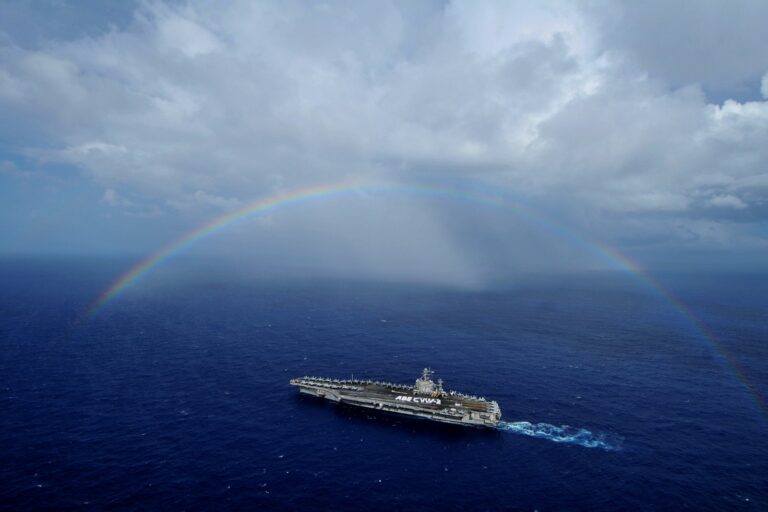
Shipping drew particular worry. The ministers stressed the need to protect international shipping and freedom of navigation, and they singled out rising military tension around the Strait of Hormuz, Bab el-Mandeb and the Black Sea corridors. They pledged to coordinate security efforts so that global trade routes are not disrupted again.
Delegates warned that unresolved hostilities carry serious political, economic and security costs for regional and international markets.
Pakistan’s role
Deputy Prime Minister and Foreign Minister Ishaq Dar briefed the other ministers on Pakistan’s diplomatic efforts to stop the hostilities from spreading. According to the release, the delegates agreed unanimously to keep consulting inside this expanded group.
They also promised closer intelligence sharing and economic cooperation to ease supply chain problems caused by the fighting. Follow-up working groups are to be set up to monitor compliance with international de-escalation agreements.
Pakistan’s Foreign Office said Islamabad will stay active on multilateral platforms. Its representatives argued that economic development across South Asia and the Middle East depends on peaceful borders.