
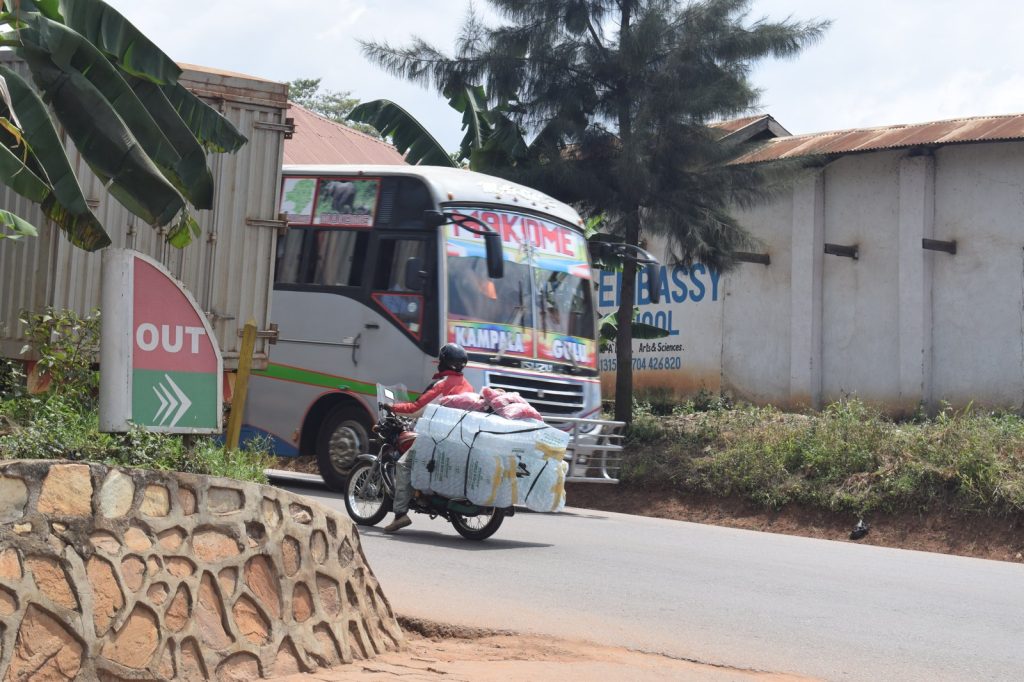
A devastating traffic accident on October 22, 2025, has left 46 people dead and numerous others hospitalized. The collision, which involved two buses and several other vehicles, occurred on the Kampala–Gulu Highway, resulting in the immediate death of those who perished.
While the highway remains open to traffic, the event has reignited urgent discussions regarding the safety of this critical transit route. As rescue operations continue and medical professionals treat the injured, Ugandan authorities are preparing for a comprehensive investigation. This inquiry will examine several key factors to determine the cause of the tragedy, specifically scrutinizing the condition of the vehicles involved, the behavior of the drivers, and the overall state of the highway.
Determining whether the failure stemmed from mechanical issues, driver conduct, or infrastructure deficiencies is essential, as each possibility requires a different combination of political will and financial investment to resolve. The Kampala–Gulu Highway serves as a vital artery for Uganda, facilitating the movement of services, goods, and people between the northern city of Gulu and the capital.
While this connectivity drives social and economic development, the road is also characterized by a recurring pattern of fatal accidents. Although the government has discussed upgrading the national road network, reports indicate that the pace of these improvements has been slow—a delay that critics suggest has a human cost. The recent tragedy highlights a broader struggle with road safety in Uganda, which relies on both infrastructure and the enforcement of existing traffic laws.
While safe driving practices are promoted and laws are on the books, they are not consistently followed or enforced. Furthermore, the government’s responsibility for road maintenance is not always executed effectively.
This specific crash is viewed as a case study in these systemic failures occurring simultaneously. Despite the standard procedure of conducting safety protocol scrutinies after such events, there are concerns regarding the actual impact of these reports. Historically, previous accidents on this specific highway have not resulted in significant changes, and the number of fatalities continues to rise.
This creates a stark contradiction: the highway is an economic necessity, yet it remains a location where dozens of lives can be lost in a single moment. Currently, the focus remains on the grieving families who must now arrange funerals and cope with the loss of income.
Meanwhile, the government faces mounting questions as the highway continues to carry the buses, trucks, and passengers who depend on it for travel. The October 22 crash serves as both a tragedy and a warning about the state of Uganda’s road safety, leaving the question of whether the government will implement meaningful changes.




