
Mohammed, 39, heard the shelling first. It was mid-September in the Jabal Habashi district of Taiz, and the sound of gunfire was a distant thing. By the next day it was close. After four years of calm, the war had come back to his village, and he fled with his wife and child to the city of Taiz.
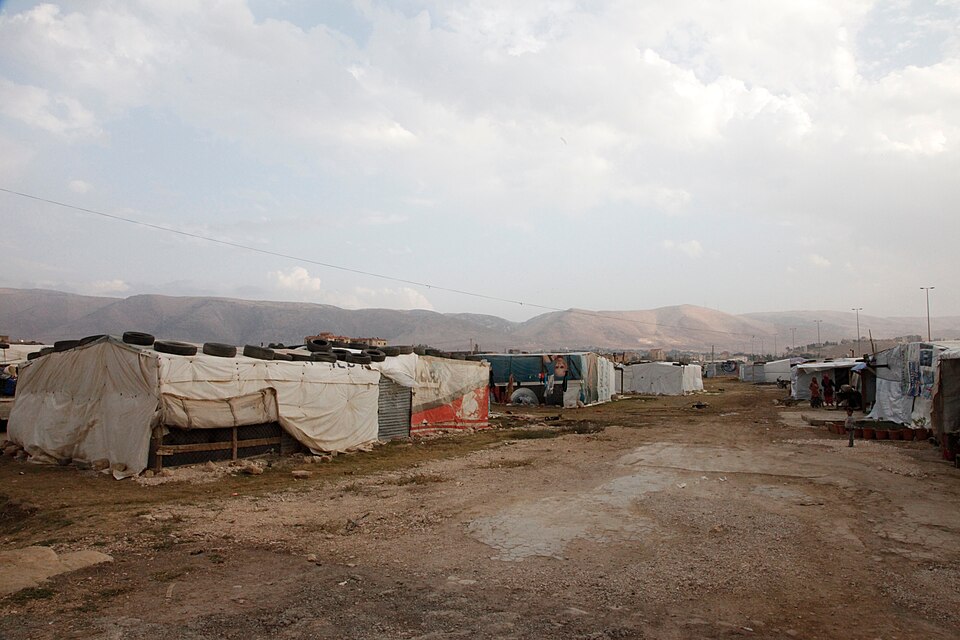
He was lucky. A relative took him in. “I cannot stand life in crowded camps lacking access to food, healthcare and sanitation,” he told Al Jazeera. Thousands of others arriving from the countryside are in displacement camps, and Taiz itself sits under threat. It has spent most of Yemen’s 12-year war on the front line between the government and the Houthis.
A wave that keeps growing
The displacement began when the Houthis advanced rapidly in September, taking the entire Red Sea coast and tightening their hold on the Bab al-Mandeb strait. The United Nations said on September 22 that internal displacement from this round of fighting could pass 230,000, on top of more than 5.2 million people already displaced. The International Organization for Migration estimates that over 22 million Yemenis, about half the population, urgently need aid.
Mohammed registered as displaced in Taiz city a week before speaking to Al Jazeera, and still had nothing. “I have not received any aid, and I do not know whether I will receive any. There is a sea of displaced people.”
Roads that cost lives
Mohammed Radman, a displacement coordinator with the Executive Unit for IDP Camp Management in Jabal Habashi, said road closures have caused “indescribable human suffering”. Before the escalation, aid reached Taiz easily. Now travellers take hard mountain routes and less aid arrives. A truck once needed about three hours from Mocha to Taiz; that road is closed. Taiz to Aden now takes six hours or more, against about two before.
Ali Othman, a humanitarian activist in Taiz, described families who “fled with nothing but the clothes they wore”, often sharing tents. Blocked roads isolate camps, he said, so aid may not reach them at all. Abdulrahman, 34, displaced from al-Waziiya two weeks earlier, wants to fetch his mattresses and cooking gas cylinders but is unsure he could get back safely. UNHCR cited active front lines, movement limits, telecommunications disruption and damaged roads as constraints on aid delivery.
Food and fuel running short
Mocha port was a key source of government revenue and a supply line for food and aid. Economic researcher Wafiq Saleh said the Houthi takeover of Mocha and sporadic attacks on Red Sea ships cut the number of vessels reaching Yemeni ports. Yemen imports nearly 90% of its food, he noted, so the damage will reach beyond the newly displaced. A UN report found wheat and flour imports fell 48% month on month in August, and fuel imports dropped 67% from July, with no petrol or diesel reaching northern ports.
On September 23, humanitarian, development and civil society groups asked leaders at the UN General Assembly to protect aid delivery and back a Yemeni-led peace process. On the ground, the conflict could widen if the Houthis push further in Taiz or the government counterattacks.




