
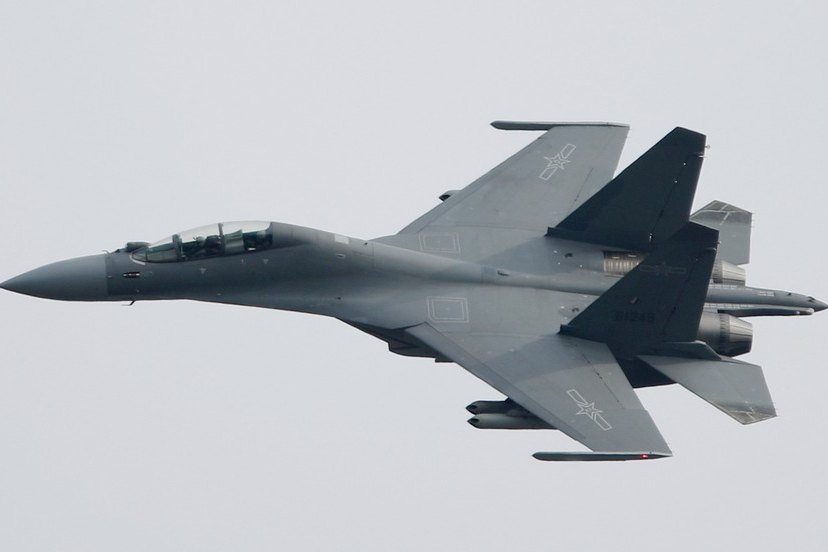
On August 10, the People’s Liberation Army (PLA) moved fighter jets and naval vessels into positions that surround parts of Taiwan, a maneuver that is already influencing strategic calculations in Washington, Taipei and throughout the Indo‑Pacific. The deployment creates a practical no‑fly zone and a de‑facto military perimeter for merchant ships, adding a new layer of risk to one of the world’s busiest sea lanes and to civilian air routes that cross the strait.
Chinese warships have taken up stations that effectively encircle sections of the island, while PLA aircraft, armed with long‑range air‑to‑air missiles and precision‑guided munitions, have patrolled close to Taiwanese airspace. The operation, described by the PLA as a legitimate defense exercise, is viewed by international observers as coercive pressure aimed at Taiwan’s growing ties with the United States.
The timing of the drill follows a period of heightened diplomatic friction between Beijing and Washington. By staging the maneuver, China signals that deeper Taiwan‑U.S. cooperation will be met with instability, testing the United States’ long‑standing policy of “strategic ambiguity.” While Washington has not pledged to intervene in every scenario, it has indicated that a Chinese invasion would provoke a response. The August 10 activity probes that commitment without escalating to an outright attack.
For Taipei, the situation presents a stark dilemma. A forceful Taiwanese response could raise the danger of escalation, while a more restrained posture risks allowing the pressure to continue unchecked.
Both choices carry significant risks, and the island’s leadership must weigh the potential for inadvertent incidents against the need to demonstrate resolve. The PLA’s actions also showcase the confidence it has built through years of investment in anti‑access/area‑denial (A2/AD) capabilities designed to keep U.S. forces at a distance. The current deployment is more than a display; it rehearses a scenario that Beijing believes it could execute if it chose to act.
Regional actors are watching closely. Japan, South Korea and the Philippines—each with its own territorial disputes with China or hosting U.S. bases—see the Taiwan Strait flashpoint as a potential trigger that could draw them into a broader confrontation.
The maneuver underscores Beijing’s willingness to employ military pressure as a primary instrument of statecraft, a message that worries nations that rely on Chinese trade while also depending on American security guarantees. At present, the PLA has not set an end date for the operation. The longer the jets and ships remain in place, the greater the probability of an accidental collision or a misinterpreted radar contact, any of which could quickly spiral into a larger crisis.
The cross‑strait tension, unresolved for decades, has therefore intensified, raising the odds of miscalculation at one of the world’s most volatile flashpoints. What unfolds over the next 48 hours will be pivotal.
The deployment has already altered risk assessments for commercial shipping and civilian aviation, and it has heightened the strategic pressure on all parties involved. The August 10 exercise thus marks a significant escalation in the ongoing contest over Taiwan’s status and the broader security architecture of the region.




