
For several months Russia operated as the dominant external actor in Middle‑East security, flying jets over Syria, courting Gulf oil sheikhs with diplomatic visits, and benefiting from the perceived American retreat. That dynamic changed on August 10 2023 when a Chinese delegation took a seat at the Saudi‑hosted peace table in Jeddah. The presence of Beijing was not a subtle gesture; it signalled a decisive pivot, moving China from a peripheral observer to a central participant in a conversation Moscow had long considered its own. The Jeddah gathering, organized by Saudi Arabia, brought together representatives from numerous states.
Its official aim was to foster dialogue and cooperation, but the underlying theme was influence. By attending, China made clear that it would no longer allow Russia to monopolise the region’s most consequential security discussions.
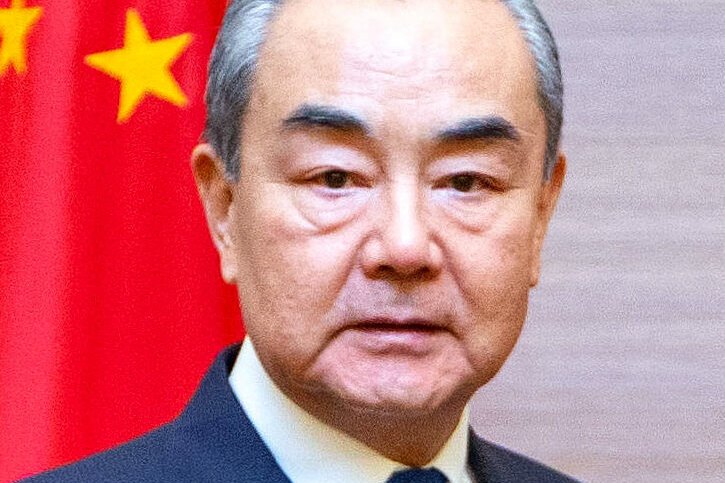
Chinese Foreign Minister Wang Yi articulated the shift, stating, “China is committed to playing a constructive role in promoting peace and stability in the Middle East.” The remark, carefully phrased, functions as a declaration of intent: Beijing now sees itself as an active player rather than a bystander. Russia’s reaction was immediate and uneasy. Moscow had spent years cultivating clout in the Middle East through military ties with Syria, energy partnerships with Saudi Arabia, and arms deals with Egypt.
It had welcomed the space left by the United States’ gradual withdrawal and did not anticipate a Chinese incursion. The Russian Foreign Ministry responded with a statement insisting that Russia remains “committed to promoting peace and stability in the Middle East,” a wording that reads defensive, akin to asserting relevance while another actor takes the microphone.
For Beijing, the motivation is largely economic. The Middle East forms a vital corridor for the Belt and Road Initiative, hosting pipelines, ports, and railways whose functionality hinges on regional stability. Conflict and disorder threaten trade flows, so engaging in peace diplomacy safeguards Chinese investments and cultivates goodwill with oil suppliers crucial to its energy security.
The timing of the move is notable: China entered the Saudi talks as Russia’s war in Ukraine entered its eighteenth month, a conflict that has drained Moscow’s diplomatic bandwidth and undermined its reputation as a reliable mediator. Beijing perceives an opening and is stepping into a gap Russia can no longer fill.
The ensuing contest for influence will not be acknowledged openly by either capital. Both nations label each other strategic partners and vote in tandem at the United Nations, yet in the Middle East they are rivals—a reality underscored by the Saudi talks. Russia retains assets such as its naval base at Tartus, Syria, weapons sales to Iran, and relationships with various factions that remain beyond China’s easy reach.
Conversely, China wields financial leverage through infrastructure loans, investment deals, and trade volumes that Moscow cannot match. In this environment, economic resources often outweigh military presence.
Saudi officials are likely to welcome the rivalry, as competition between two great powers enhances their own bargaining power, allowing them to play Beijing against Moscow and extract concessions from each. This revives the traditional Gulf practice of leveraging external patronage. For the United States, observing from the sidelines, the situation is complicated.
Although Washington still maintains military bases across the Gulf, it no longer dictates the agenda; the inclusion of China—a nation Washington regards as its primary strategic competitor—at the Jeddah talks marks a notable shift in how the region orders itself. China’s participation on August 10 was not an isolated event but a signal of a longer trajectory.
Beijing is expected to attend similar forums, propose its own peace initiatives, and vie for contracts and influence. Moscow will face a choice: accommodate China’s growing role or resist it, neither option being comfortable. The region’s next crisis—whether a fresh outbreak of violence, a governmental collapse, or a threat to energy infrastructure—will test this new dynamic, with two powers now poised to respond. For the first time in decades, one of those responders will be China.




