
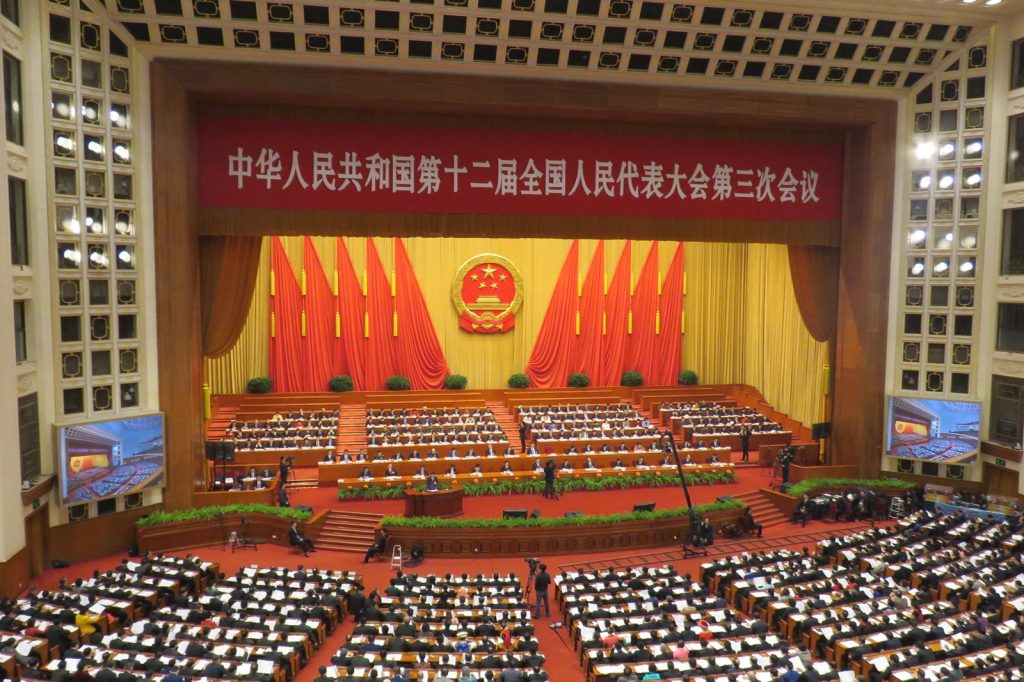
On 1 January 2020 Beijing implemented a new Foreign Investment Law that consolidates three former statutes—the 1979 Sino‑foreign Equity Joint Venture Law and two related regulations—into a single 42‑article framework. The legislation, approved by the National People’s Congress in a three‑month session, introduces a “negative list” approach: any sector not expressly prohibited is open to foreign capital.
Under the previous regime, foreign firms often had to form joint ventures with Chinese partners and transfer technology as a condition for market entry. The new law eliminates the mandatory joint‑venture requirement for most industries, allowing wholly owned enterprises in many fields. The Ministry of Commerce says that foreign investors now submit a single online application and can receive a business licence within three working days, a process that previously required approvals at county, city and provincial levels and could take months.
Industry analysts have welcomed the procedural simplification. Ting Lu, chief China economist at Nomura, described the streamlining as “very exciting” and told reporters on 3 January that wholly owned life‑insurance companies and majority‑controlled brokerage firms could be established by 2021.
The law adds 120 additional sectors to the list of areas open to foreign investment, although the exact number of sectors that remain closed is not disclosed in the source material. Despite the optimistic outlook, several cautions persist. The law promises foreign investors the same legal status as domestic private and state‑owned enterprises, but its enforcement record remains untested. Industry groups note that the negative list still contains outright bans on certain sectors and that intellectual‑property protections are described in vague terms.
Critics argue that without clear, independent judicial mechanisms, the promised safeguards may fall short of what foreign companies require. The shift reflects a broader strategic change.
Where earlier policies emphasized the need for foreign capital and technology, the current approach seeks to attract investment on terms that preserve Chinese control. By removing the compulsory partnership model, the law both frees foreign firms from forced technology sharing and eliminates a local partner that could have helped navigate bureaucratic hurdles. U.S. banks, insurers and manufacturers have responded with “cautious optimism,” acknowledging the potential for greater market access while remaining aware of lingering risks.
Washington’s negotiators have pursued similar openings since the Clinton administration, and the rapid passage of the law signals strong political commitment to the reform. Looking ahead, the law’s impact will hinge on how consistently its provisions are applied.
If the streamlined approval process and equal‑treatment clauses are upheld, more American and European companies may establish wholly owned operations in China. Conversely, if enforcement lags or intellectual‑property protections remain ambiguous, the legislation could become another paper promise that investors learn to sidestep. The coming years will test whether the new Foreign Investment Law translates into real‑world changes for foreign businesses seeking a foothold in China’s vast market, or whether it remains a symbolic reform without substantive effect.




