
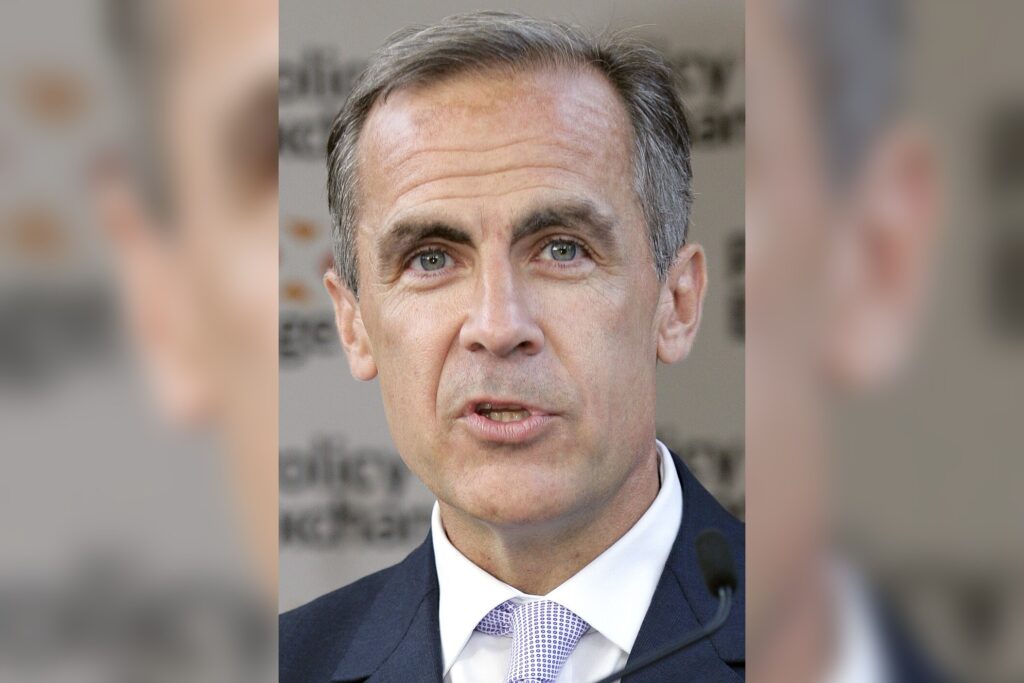
In a 15-minute video address on Tuesday morning, Prime Minister Mark Carney told Canadians that turning away from the United States as their largest trading partner “will come at a cost.” The counter-tariffs coming into force that day, he said, “are necessary to protect our workers.”
The levies cover nearly C$28bn ($20bn; £15bn) of American goods and run as high as 50%. Milk, golf clubs, steel, aluminium, jackets and T-shirts get the top rate. Cheese, toilet paper and household appliances such as air conditioners face 25%. Forklift trucks and industrial moulds face 15%. All of it comes on top of the retaliatory taxes Canada already put on finished American cars and trucks not covered by the USMCA, which Canadians call CUSMA.
“We have everything we need to pivot and prosper,” Carney said. “That pivot will come at a cost. There’s always a cost to action, but it doesn’t come close to the cost of standing still.”
His main focus, he said, is diversifying trade relationships and building the economy. Workers hurt by the trade war will get support “for as long as it takes.”
Washington’s answer
US trade representative Jamieson Greer told CBC News, speaking French, that Washington would consider tit-for-tat tariffs on Canada as early as Tuesday. “We’ll see this afternoon,” he said.
The day before, President Donald Trump threatened to halt all US business with the Canadian plane maker Bombardier unless it moved its manufacturing south. PwC estimates the company added over C$7bn to Canada’s GDP in 2024. In late August Trump imposed new 50% tariffs on goods including dairy, alcohol, hockey sticks and perfume. The US also keeps a 25% tax on Canadian cars and trucks, plus levies on steel, aluminium and lumber.
Officials on both sides say they want a deal. No new talks have been scheduled since negotiations collapsed in late August.
Pressure at home
Opinion polls suggest most Canadians back retaliation. Business groups are less sure. The Canadian Chamber of Commerce has urged a surgical approach, and its president and CEO, Candace Laing, told the BBC on Friday: “Businesses understand retaliation but don’t want to see endless escalation.”
The fisheries industry pushed back hard enough that Canada pulled dozens of seafood items off its list. Lobster is the reason. American-caught lobster often goes north to be processed before returning to the US for sale, so each country’s industry leans on the other.
The economy had held up until recently. GDP grew 3.3% in the second quarter and employers added 181,000 jobs from April to July. Then roughly 41,000 jobs disappeared in August, the month of the new US tariffs and the collapse of the talks. Manufacturing saw a modest gain, which the government credits to consumers and businesses buying more Canadian-made goods.
July trade figures show the shift under way: the share of Canadian exports headed to the US fell to 66%, from an average of 75% before the trade war.




