
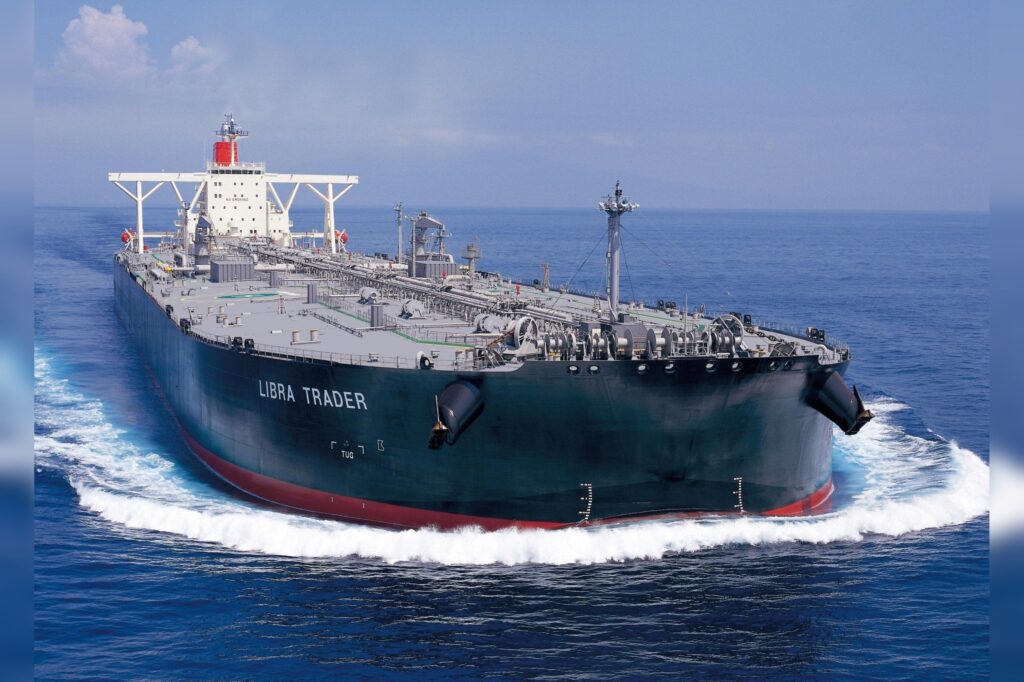
Two pipelines, built in the shadow of an earlier war, are doing much of the work of keeping Gulf oil moving now that Iran has closed the Strait of Hormuz. They are not enough. Al Jazeera put the strait’s peacetime flow at 20 million barrels of oil a day, while the pipelines that avoid it could carry about 9 million combined.
Why the pipelines exist
The lesson dates to the 1980-1988 Iran-Iraq war, when both sides repeatedly targeted tankers in the strait, DW recalled. Saudi Arabia answered by building the East-West Pipeline across the peninsula to the Red Sea port of Yanbu. The United Arab Emirates later laid the Habshan-Fujairah line to the Gulf of Oman. When the US-Israel war with Iran broke out in late February 2026, Tehran carried out its old threat to close the strait, stranding hundreds of tankers and choking off around a fifth of the world’s energy supply, DW reported.
What each route can carry
The Saudi line, also called the Petroline and run by Aramco, covers 1,200km from the Abqaiq processing centre to Yanbu. Al Jazeera put its capacity at up to 7 million barrels a day, though Aramco said on March 10 that about 5 million could go to exports with the rest feeding local refineries. Flows averaged 770,000 barrels a day in January and February, according to Kpler, and had climbed to 2.9 million by late March. By late April DW found it running at its maximum of 7 million, up from 5 million before the war.
The Abu Dhabi Crude Oil Pipeline, running 380km from Habshan to Fujairah, opened in 2012. Al Jazeera gave it a capacity of about 1.5 million barrels a day; DW said the UAE was piping 1.8 million.
Iraq’s Kirkuk-Ceyhan line to Turkey is the weakest of the three. Al Jazeera listed its capacity at 1.6 million barrels a day but said it carried about 200,000. DW said it was restarted last September after a two-and-a-half-year shutdown and now pumps up to 250,000.
Still not enough, and exposed
Robin Mills, chief executive of the consultancy Qamar Energy, told DW that before the war about 15 million barrels a day of crude went through the strait. “You would need to double [current pipeline capacity] to get all of the original crude exports out,” he said.
The lines are also targets. George Voloshin, an independent energy analyst, told Al Jazeera that pipelines and pumping stations are “static, high-value targets.” He pointed to 2019, when Houthi drones hit pumping stations on the East-West line and forced a temporary shutdown, and to March drone attacks on Fujairah that disrupted loadings at the ADCOP terminus. Trucking is no answer: a standard truck carries from 100 to 700 barrels a day depending on trips.
What may come next
New routes are under discussion. Mills said new Saudi or UAE lines could proceed almost at once and take a couple of years to build. Kuwait, Bahrain and Qatar have no alternative coastlines, so they would need long pipelines through Saudi Arabia or Iraq, a job he put at a minimum of three to four years. The International Energy Agency has urged a new pipeline from Iraq to Ceyhan, and Baghdad advanced the $4.6 billion Basra-Haditha segment to the bidding stage. If approved, the 685-kilometer line could deliver up to 3 million barrels a day in phases. The flagship GCC Railway targets a 2,100-kilometer network by 2030.
Sources
- Saudi, UAE, Iraq: Can three pipelines help oil escape Strait of Hormuz?
- Will the Iran war end Strait of Hormuz oil supremacy?




