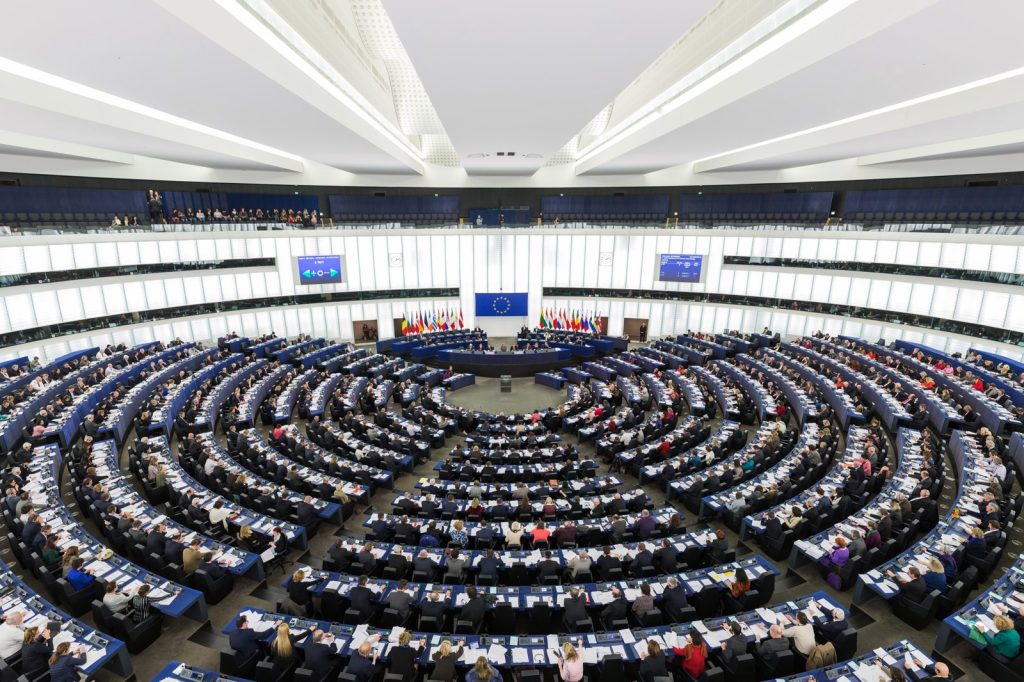
“We’re not looking to become a member of the European Union.” Mark Carney said that on 13 September 2026, standing in front of reporters at the Toronto International Film Festival. What Canada wants, he said, is “a unique alliance” with Brussels. Four days later he was in Strasbourg, telling the European Parliament he welcomed a plan that sounded very much like the first step toward one.
An offer from Brussels
The Wall Street Journal had reported that Carney spent months quietly pressing European leaders on how to tie Canada more tightly to the 27-nation bloc without joining it or its single market. On Wednesday 16 September, at the State of the European Union address, Ursula von der Leyen put a name on it. She floated making Canada the EU’s first associate member, a category the EU treaties have no room for today, so it would have to be invented.
Her list of shared work was long: advanced manufacturing, defense production, the Arctic, energy, critical minerals, batteries, artificial intelligence, quantum computing, cybersecurity. Europe wanted to lift the relationship to “the highest level possible,” she said, and beyond the existing free trade deal toward what she called an “Alliance for the Future.”
Carney, on Thursday, accepted the spirit of it. He admitted that “associate membership” still has to be defined, then described what he had in mind: deeper integration in trade, defense, space, research and financial services, so that neither side is easy to squeeze. “I am not proposing a third bloc in order to become a great-power rival,” he said. Lawmakers gave him a standing ovation, and one wore a Canadian hockey jersey.
Where the money and muscle are
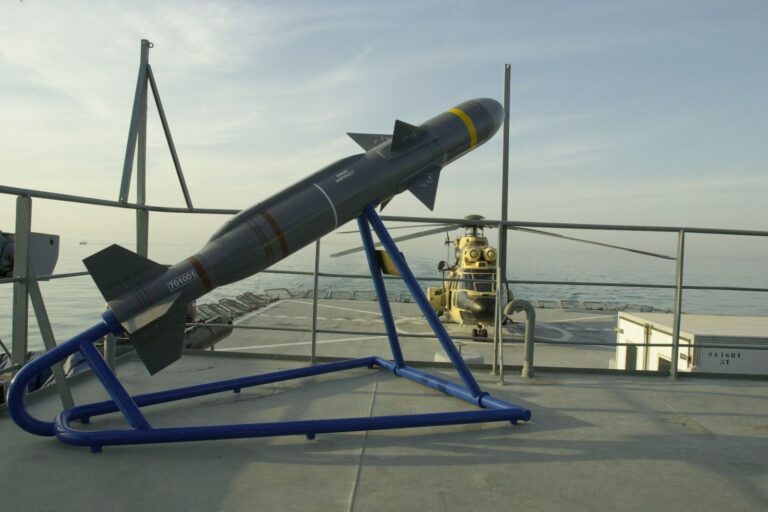
Defense is where the idea gets concrete. Anand Sundar of the European Council on Foreign Relations says Canada spends about 70% of its defense budget on US-made equipment, and that Carney wants to change that. Canada has already become the first non-European country to join SAFE, the EU’s procurement scheme, which offers up to €150 billion in loans for joint purchases. Because Canada paid a fee to get in, its companies face looser rules than outsiders normally would. They still run into real obstacles when they try to build weapons with European partners, and Sundar says the open question is how far Brussels will bend its own rules.
Sundar also calls Canada an underrated defense power. By his count it spends more than the 14 smallest EU members combined, at 2% of GDP, and NATO members have committed to 5% by 2035.
Patrick Leblond of the University of Ottawa does not expect Canada to take on European law or accept a customs union that would force common external tariffs. “We have underinvested in our militaries,” he told DW, because both sides took the American security umbrella for granted. Leblond also argues that the trade pact in force since September 2017, CETA, has not delivered what it could, because many Canadian companies still look south first.
The Washington factor
Canada sends roughly 70% of its exports to the United States, which is the calculus behind all of this. President Donald Trump suggested the arrangement could be a “hostile act” and threatened heavy tariffs on Europe if he judged its intentions unfriendly. At home, Conservative leader Pierre Poilievre wrote that Canada would “NEVER be the 28th EU state.”
Canada’s ambassador-designate to the EU, Jonathan Wilkinson, said full membership would mean giving up some sovereignty; Ottawa wants “to get as close as we possibly can” while becoming less dependent on anyone. The next test was a Canada-EU summit set for Montreal on 29 and 30 October.
Sources
- Can Canada and the EU deepen ties to counter Trump? (DW)
- Carney embraces proposal for Canada to become European Union's first associate member (AP, via ABC7 New York)
- Canada seeks 'unique alliance' with EU, rules out membership (Brussels Signal)