
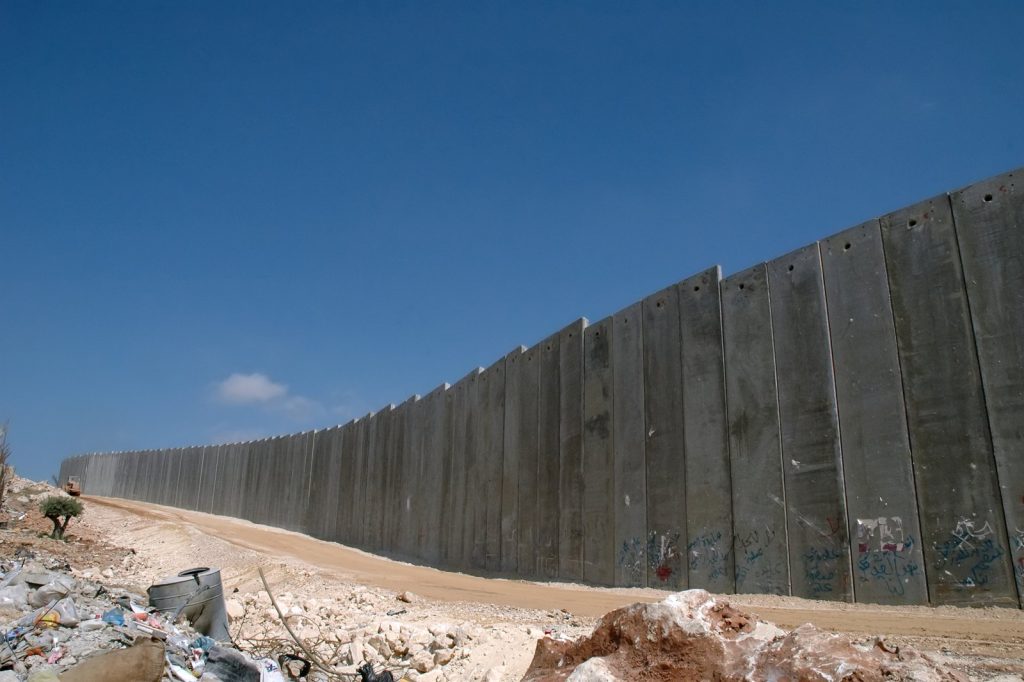
Foreign Secretary Ed Miliband stood in the Commons on Tuesday, September 8, and put it plainly: “I can announce today that we will introduce an import ban on goods from illegal settlements in the occupied territories.” The chamber cheered. Within hours Israel had ordered a British consulate shut.
The announcement was the first big foreign policy move of Prime Minister Andy Burnham, who had taken office seven weeks earlier.
What was announced
Miliband said Britain would bar goods from settlements in the occupied West Bank and go after the businesses and people that service them. He named construction, infrastructure, financing and real estate as the kinds of work that would draw penalties. Those involved, he said, “will face the full force of UK sanctions.” Metro reported that advertising for settlements would also be banned in Britain.
He did not frame it as action against Israel itself. The target, he said, was settlements the government regards as illegal. He also told MPs that the official view of the British government is that the occupation is unlawful.
Miliband gave two reasons for acting now. One was a recent Israeli step to open tenders for 1,200 settler homes in the E1 area. Miliband called it the crossing of a “long-term red line”. The other was a sharp rise in settler violence, which he described as “ethnic cleansing of Palestinians in areas of the West Bank, perpetrated by settler terrorists”.
A coordinated move
Britain did not act alone. France and Canada said they would ban settlement imports as well, and a joint statement from foreign ministers listed Denmark, Finland, Iceland, Ireland, Norway, Poland, Portugal, Spain and Sweden among the governments planning to restrict trade. Miliband added that the Netherlands, Ireland, Belgium, Spain and Norway had already banned such goods or were working toward it.
The United Nations and most governments treat the settlements as illegal under Article 49 of the Fourth Geneva Convention. Israel rejects that reading and calls the territory disputed.
Israel hits back
Foreign Minister Gideon Saar called Miliband’s remarks “outrageous lies” and ordered the British consulate in East Jerusalem closed. He said Israel would also remove British representatives from a joint military centre that monitors the Gaza ceasefire and halt British training of Palestinian Authority security forces. Entry would be refused to 12 elected UK officials, CBC reported. DW counted 11 MPs, among them Jeremy Corbyn and Diane Abbott. Earlier in the day Saar had warned: “If Britain acts against Israel, Israel will act against Britain.”
President Isaac Herzog had argued before the announcement that the measures would amount to “a gross interference in the democratic elections of a sovereign nation”, with Israelis due to vote the following month. The US ambassador to Israel, Mike Huckabee, called the sanctions “irrational”. Secretary of State Marco Rubio said Washington had no comment on the joint action, then added: “obviously we’re not going to do what the U.K. did.”
The Palestinian Authority welcomed the step. Inside Britain the reaction split. Chief Rabbi Ephraim Mirvis called it a “dark day for British Jews” and described the policy as gesture politics, while shadow foreign secretary Tom Tugendhat warned that treating Israel as a pariah risked a rise in antisemitic violence at home.
Sources
- Canada, U.K., France to ban trade of goods from Israeli settlements in occupied West Bank | CBC News
- UK announces trade ban on West Bank Israeli settlements | DW
- UK introduces import ban on goods from Israeli settlements in West Bank | Metro




