
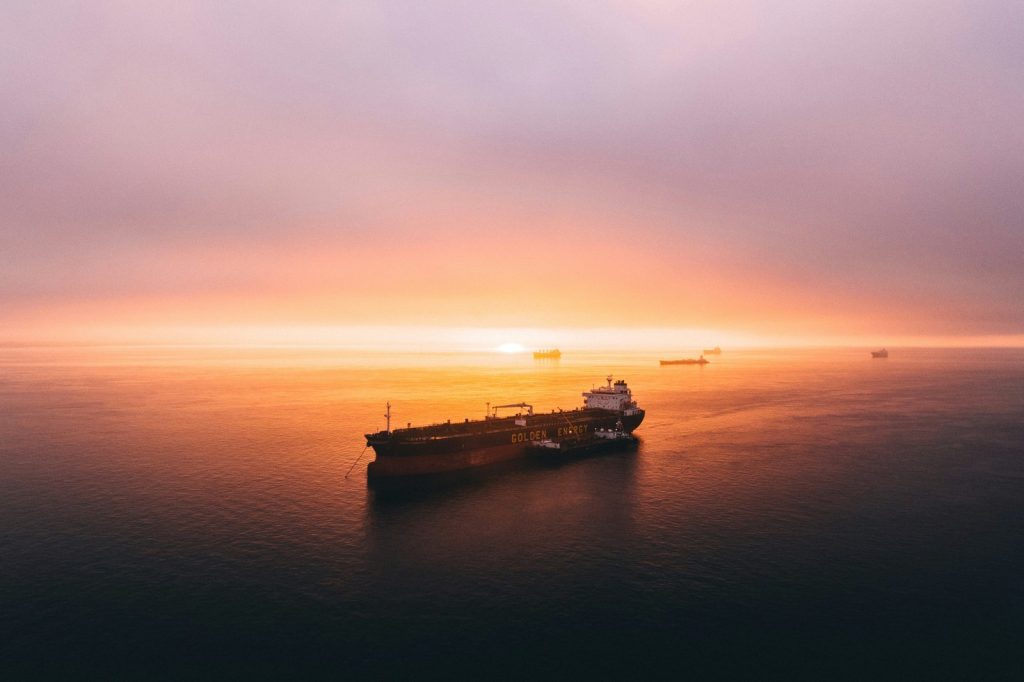
A deadly assault struck two vessels transporting Iraqi oil and gas within Iraq’s territorial waters on March 11, 2026, claiming the life of an Indian crew member. The Marshall Islands‑registered tanker Safesea Vishnu and the Malta‑flagged ship Zefyros erupted in flames after being hit near Khor Al Zubair Port and in the vicinity of the Al‑Faw port area.
The incident has drawn immediate attention from the international community due to its potential impact on global energy supplies and the dangers confronting commercial shipping in the region. Observers note that the Al‑Faw zone serves as a pivotal outlet for Iraq’s crude exports, meaning any interruption could reverberate through worldwide markets.
Details about the flag state of one of the damaged ships reveal the Marshall Islands as an archipelagic nation situated in the Northwestern Pacific Ocean’s Micronesia region. Its territory consists of twenty‑nine coral atolls, five principal islands, and roughly one thousand two hundred smaller islets. Water covers approximately 98.62 percent of the nation’s area, giving it the highest water‑to‑land ratio of any sovereign state. The Marshall Islands shares maritime borders with Kiribati and the Federated States of Micronesia.
As the situation develops, foreign governments are closely tracking events. U.S. officials are expected to engage with their Iraqi and Marshall Islands counterparts to evaluate the circumstances and offer any required assistance. Analysts have raised the prospect of Iranian involvement, citing Tehran’s record of assertive actions in nearby waters.
The attack underscores the perils faced by merchant ships navigating Iraqi territorial waters. Investigators are likely to scrutinize whether Iranian actors played a role, given the country’s history of targeting international shipping lanes. Meanwhile, China—whose economic stakes in the area are substantial—is presumed to be observing the unfolding developments. Beijing has not issued a public statement on the matter, but its response will be scrutinized by regional watchers as an indication of its strategic priorities and its adherence to international norms.
Industry leaders and policymakers worldwide anticipate that the aftermath will prompt a reassessment of maritime security protocols. There is expected to be a renewed emphasis on strengthening protective measures for vessels operating in the zone and fostering broader international cooperation to deter similar attacks. The United States and its allies are poised to lead these initiatives, aiming to reinforce stability, safeguard shipping routes, and protect the interests of American citizens and businesses engaged in the region’s energy sector.




