
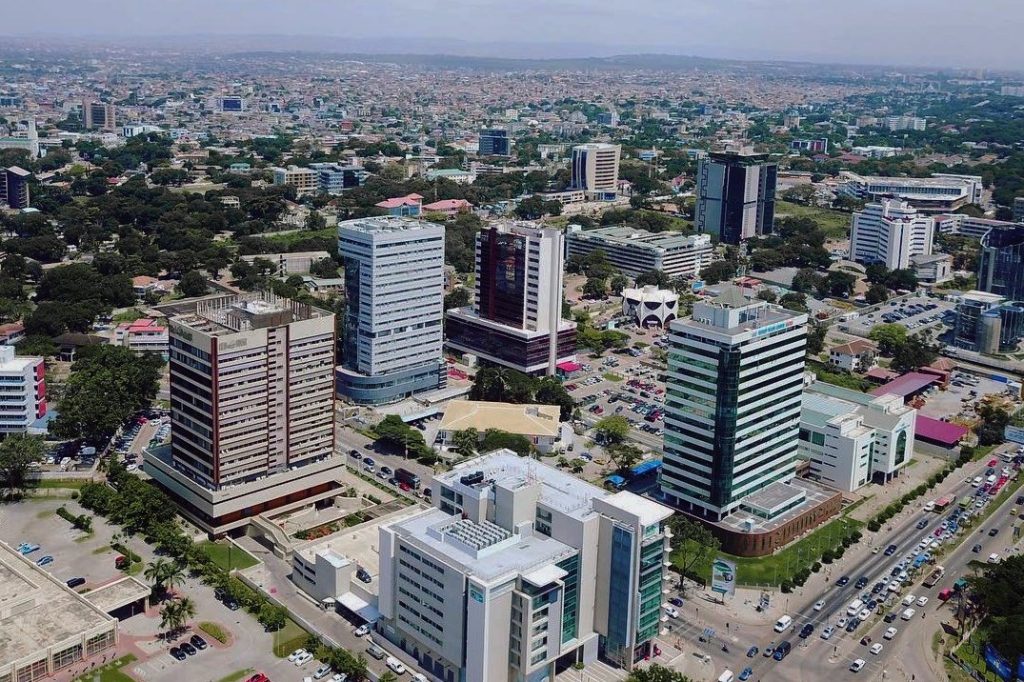
On 29 March 2026 a church in Ghana’s capital city collapsed, killing three people and injuring twenty others. The sudden failure trapped worshippers and passers‑by beneath the rubble, prompting a swift response from rescue teams who were able to extract several survivors before the site was declared secure. The incident has sparked a city‑wide debate about construction standards in Accra, a metropolis that serves as the nation’s political and economic hub.
According to the 2021 census, the Accra Metropolitan District housed 284,124 residents, while the broader Greater Accra Region recorded 5.46 million inhabitants. Although these figures are several years old, analysts agree that the population has continued to rise, intensifying pressure on infrastructure, utilities and, crucially, building safety.
Details about the specific congregation, the identities of the deceased or the injured have not been released pending further investigation. What is clear, however, is that a structure intended to protect its occupants failed catastrophically on a Sunday, a day when churches typically see high attendance. Authorities have opened an inquiry into the cause of the collapse, but no conclusions have been announced yet. The event has nonetheless amplified concerns that rapid urban expansion in Accra may be outpacing the enforcement of existing building codes.
Critics point to instances where construction shortcuts, missed inspections, or inadequate oversight have allowed substandard buildings to go unchecked. Churches in Accra play a central role beyond their religious function, acting as community centres for worship, mourning, celebration and social support.
The loss of a place of worship therefore reverberates through the neighbourhood, compounding the grief of the families directly affected. Medical services have been mobilised to treat the twenty injured, while families of the three victims begin burial rites. In the meantime, city officials are urged to balance immediate relief efforts with a longer‑term strategy aimed at preventing similar tragedies.
Ghana’s building regulations, while comprehensive on paper, rely on regular inspections to identify structural weaknesses before they become hazards. Effective enforcement demands sufficient staffing, political commitment and a prioritisation of safety over rapid development.
The current strain on Accra’s infrastructure—driven by a growing population and a surge in construction to meet housing demand—has highlighted gaps in this system. The collapse is being viewed by many as a warning sign that the pace of development may be compromising public safety. Urban planners and policymakers are now faced with the task of ensuring that future projects adhere strictly to safety standards, a challenge that will require coordinated action across municipal agencies.
As the investigation proceeds, the central question remains whether Accra will treat this disaster as an isolated incident or as an impetus for systemic reform. The city’s continued growth is inevitable; what can change, however, is the rigor with which building codes are applied and monitored.
The outcome of this inquiry could shape the safety of countless structures yet to be erected across the region.




