
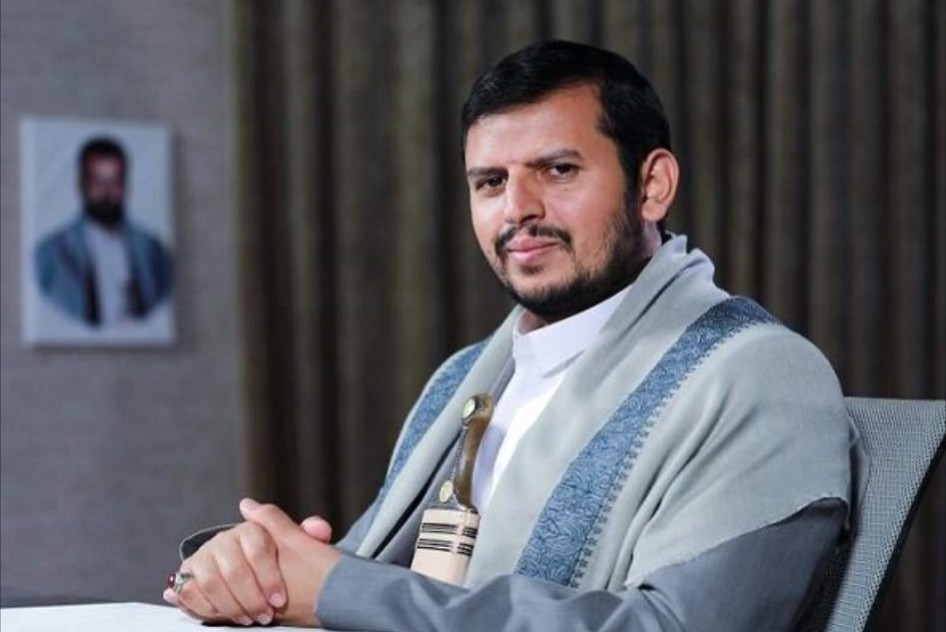
He is rarely seen and almost never stays in one place. Abdul-Malik al-Houthi delivers his speeches remotely, Ynetnews reported in August 2025, and that habit has kept the leader of Yemen’s Houthis out of reach of two foreign air forces and a Saudi-led coalition.
The movement he commands has its roots in the Believing Youth Forum and takes its name from his brother. Hussein al-Houthi founded the group and built it into something more militarized, until Yemeni forces killed him in 2004. Leadership then passed to Abdul-Malik. Time, citing the Carnegie Endowment, calls the Houthis a revival movement within Zaidism, which is a Shi’ite tradition. Zaidis make up approximately 35% of Yemen’s population.
From the north to the capital
Al Jazeera notes that the Houthis first appeared in the 1990s. The world only noticed them in 2014, when they rebelled and forced the government to step down. They seized Sanaa. The internationally recognized government fled south to Aden, and civil war followed. A Saudi-led coalition has been fighting the group ever since, while the Houthis have had Iran’s backing. Al Jazeera says the fighting has mostly stood still since 2022, though the Houthis still hold significant territory, including the capital. Time says they control most of western Yemen.
Living under their rule is another matter. Experts quoted by Time call it authoritarian, point to social restrictions and allegations of human rights abuses, and quote a Chatham House analyst who compares their grip on society to the Taliban’s.
The cost to ordinary Yemenis is plain in the numbers. Al Jazeera counts 19.5 million people, or 56 percent of the country’s 35 million, who still urgently need aid in 2025. Over a million more than the year before.
The Red Sea and the sanctions
After the Hamas-led attack of October 7, 2023, the Houthis began firing drones and missiles at Israel and going after merchant and naval ships in the Red Sea. When Al Jazeera reported on March 7 that al-Houthi had given Israel four days to let humanitarian aid into Gaza, the threat was explicit: otherwise the group would block Israeli ships from the Red and Arabian Seas. Spokesperson Mohammed Abdulsalam said the operations were meant as backing for Palestinians in Gaza.
Washington had already marked him. According to the Long War Journal, the US Treasury put sanctions on al-Houthi in 2015, citing Executive Order 13611. The State Department followed in 2021 by listing him as a global terrorist. US and British strikes that began on January 12 did not stop the attacks, the same analysis found, and the group’s leadership structure remained intact.
Strikes that have not broken the movement
On a Thursday in August 2025 Israel struck Sanaa as senior Houthi figures sat down for their leader’s weekly broadcast. Ynetnews said that defense minister Mohamed al-Atifi and chief of staff Muhammad Abd Al-Karim al-Ghamari may have died. The Houthis did not confirm any casualties. Their senior official Mohammed al-Bukhaiti answered defiantly: “We are ready for a long struggle with the occupation.”
Danny Citrinowicz of Israel’s Institute for National Security Studies explained why strikes alone struggle. “They have no single ‘center of gravity’ Israel can strike that will make them stop firing,” he said. The group rebuilds quickly, Ynetnews reported, using tax revenue, levies, oil proceeds and Iranian funding.
Sources
- The Houthis: Origins and Leadership (Time, "Who Are the Houthis and Why Are They Attacking Saudi Arabia's Airports?")
- Who are Yemen's Houthis? A basic guide (Al Jazeera)
- 'Ready for a long struggle': Was this Israel's first real hit on Houthi leadership? (Ynetnews)
- Analysis: The Houthis' leadership structure (FDD's Long War Journal)




