The United Nations Interim Force in Lebanon faces a mandate expiration on December 31, 2026, following a unanimous Security Council vote on August 28, 2025, that extended the mission for one final year. Prime Minister Nawaf Salam told the Associated Press on Friday that France is preparing a Security Council resolution to allow peacekeepers to continue specific functions — clearing mines, escorting humanitarian convoys, and monitoring violations — during the withdrawal period.
The French Proposal and the Drawdown Timeline
The French draft aims to preserve limited operational capacity while the Council debates a replacement mission. According to Salam, the arrangement would buy extra time to agree on a new security architecture for southern Lebanon, and U.S. officials have indicated they could consider such an extension. Peacekeepers are expected to withdraw gradually over roughly six months after the mandate lapses, with a full year allowed to conclude operations entirely. The mission currently fields approximately 7,500 military personnel and 600 civilian staff.
An unnamed Western diplomat told the AP that slowing the withdrawal and retaining certain UNIFIL missions were among the options under discussion to avoid a power vacuum. France had not publicly commented on the proposal as of Friday.
Origins and the 1701 Framework
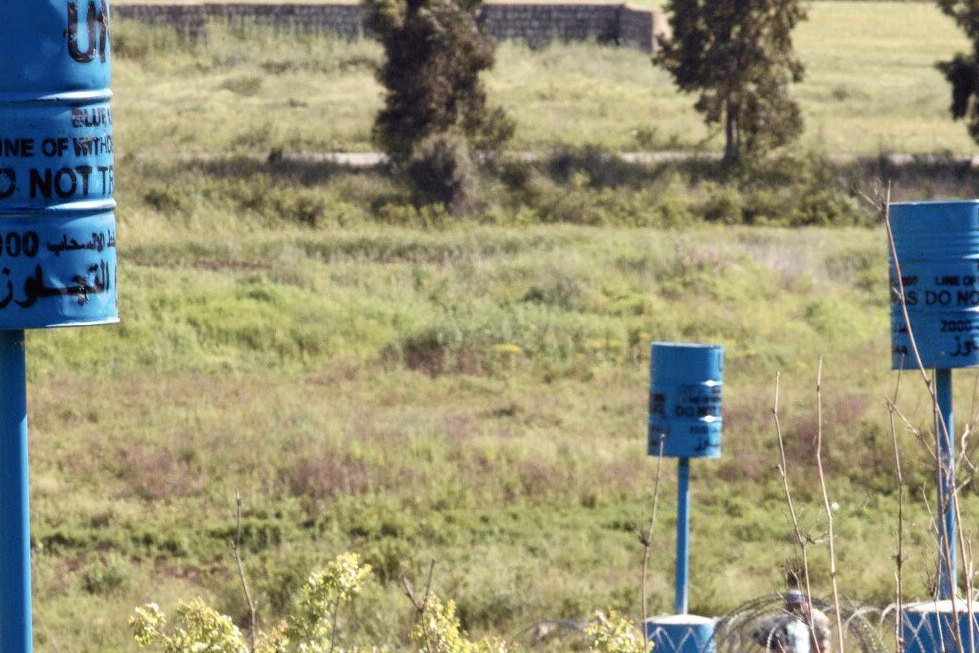
UNIFIL was launched in March 1978 under Security Council Resolution 425 amid civil war and conflict with Israel. It was never designed to supplant Lebanese sovereignty or disarm Hezbollah. The mandate was significantly expanded by Resolution 1701 in August 2006, which called for a cessation of hostilities, the deployment of the Lebanese Armed Forces south of the Litani River, and an Israeli withdrawal — all coordinated with UNIFIL monitoring the Blue Line.
Lebanese officials have insisted that Resolution 1701 remain the legal framework for any successor arrangement. President Joseph Aoun warned that a security vacuum would place the LAF in direct contact with Israeli forces without a buffer force. Parliament Speaker Nabih Berri has set two conditions for any new proposal: it must fall under the U.N. umbrella and explicitly call for a full Israeli withdrawal.
U.S. and Israeli Opposition
The August 2025 decision to terminate the mandate followed pressure from Washington and Jerusalem. The U.S. State Department, in a Congressional Budget Justification report released in June 2025, assessed that Hezbollah had expanded its military presence, stockpiled weapons, and constructed tunnels into Israel — describing it as an abject failure of a mission existing since 1978. Israel and the United States have long argued the force failed to prevent Hezbollah’s military buildup in the south.
UNIFIL officials have maintained that peacekeepers were never tasked with disarming the group. The trilateral framework agreement signed by Israel, Lebanon, and the United States on June 26, 2026, ties Israeli withdrawal to the verified disarmament of Hezbollah across all Lebanese territory. Hezbollah rejected the terms immediately. Implementation has begun: the LAF declared the area south of the Litani cleared in January 2026, and Lebanese troops deployed in pilot zones vacated by Israeli forces in July, though third-party verification mechanisms remain under discussion.
Competing Visions for a Successor Force
Diplomatic maneuvering has produced two distinct tracks. France has circulated an initiative envisioning an international coalition of thousands of European troops — primarily from France, Italy, and Spain — operating in close coordination with the LAF. The United States is advancing a competing proposal for a smaller monitoring mechanism that places primary security responsibility on the Lebanese Armed Forces.
Salam told the AP that any replacement force would require Security Council endorsement. He acknowledged that U.S.-Iran relations directly affect Lebanon, despite his government’s insistence that its negotiations with Israel are separate from any Washington-Tehran agreement. The Amal Movement has rejected replacing UNIFIL with a multinational force, insisting on adherence to Resolution 1701 in full and opposing the inclusion of any new agreement or understanding on the text of Resolution 1701 and the Agreed Ceasefire of November 27, 2024, in any new U.N. resolution or mandate.
Sources
- Extending UNIFIL’s operations in south is being considered, Lebanese PM says
- After UNIFIL: Hezbollah, State Porosity, and the Limits of Security Assistance in Lebanon
- UNIFIL could remain in Lebanon after mandate expires, Lebanese PM says | The Jerusalem Post
- Lebanon PM says France preparing plan to keep UNIFIL operating beyond mandate – i24NEWS
- UNIFIL: Why Lebanese authorities fear a security vacuum in the South
- Lebanon Proposes Extending UNIFIL Duties During Withdrawal to Prevent Security Vacuum: 6 outlets compared | NewsCord
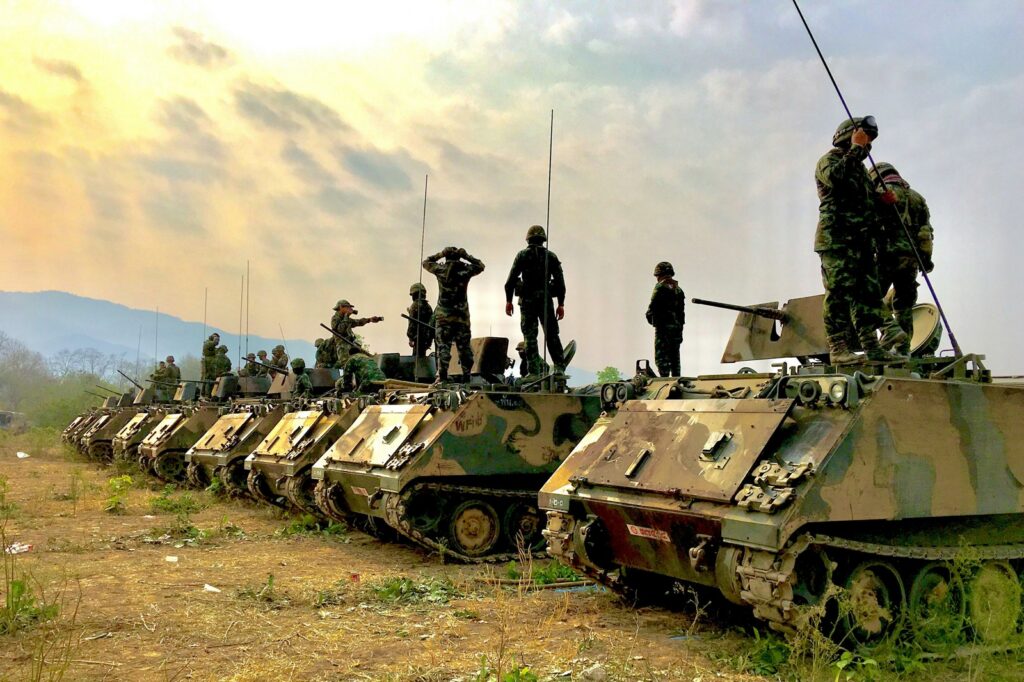
Photo: Chuanchai Pundej / Unsplash (Unsplash License)