

HAMBURG, November 28, 2026 — The International Tribunal for the Law of the Sea voted 18-3 on Saturday to reject Argentina’s request for provisional measures to halt the Sea Lion oil project off the Falkland Islands. The court ruled it lacked jurisdiction because the United Nations Convention on the Law of the Sea does not cover territorial disputes over land sovereignty.
The Jurisdictional Barrier
The tribunal’s decision rested on a fundamental distinction in international law. ITLOS, established by the 1982 UN Convention on the Law of the Sea (UNCLOS), is empowered to adjudicate maritime disputes — delimitation of boundaries, environmental obligations, navigation rights. It has no mandate to rule on sovereignty over land territory. Argentina’s request for an injunction would have required the judges to first determine which state holds sovereignty over the Falklands, a prerequisite the court found it could not satisfy. As the tribunal noted, accepting Argentina’s argument would have forced it to “interpret and apply… other rules of international law” beyond its statute.
The United Kingdom maintained throughout the proceedings that the court had no jurisdiction over sovereignty questions. The judges agreed, concluding there was no basis for believing Argentina had jurisdiction. The ruling does not settle the sovereignty dispute; it simply closes this procedural avenue. Wider arbitration proceedings between the parties will continue separately.
The Sea Lion Project and Its Stakes
The Sea Lion oilfield holds up to 1.7 billion barrels of oil and lies roughly 135 miles north of the Falkland Islands, in waters administered by the territory. The project is led by Rockhopper Exploration, a British company, and Navitas Petroleum, an Israeli firm. Licences were granted by the Falkland Islands government with UK backing. Drilling is not expected to commence before March 21, 2027, an assurance the UK placed on the record in Hamburg; extraction is projected to begin a year later.
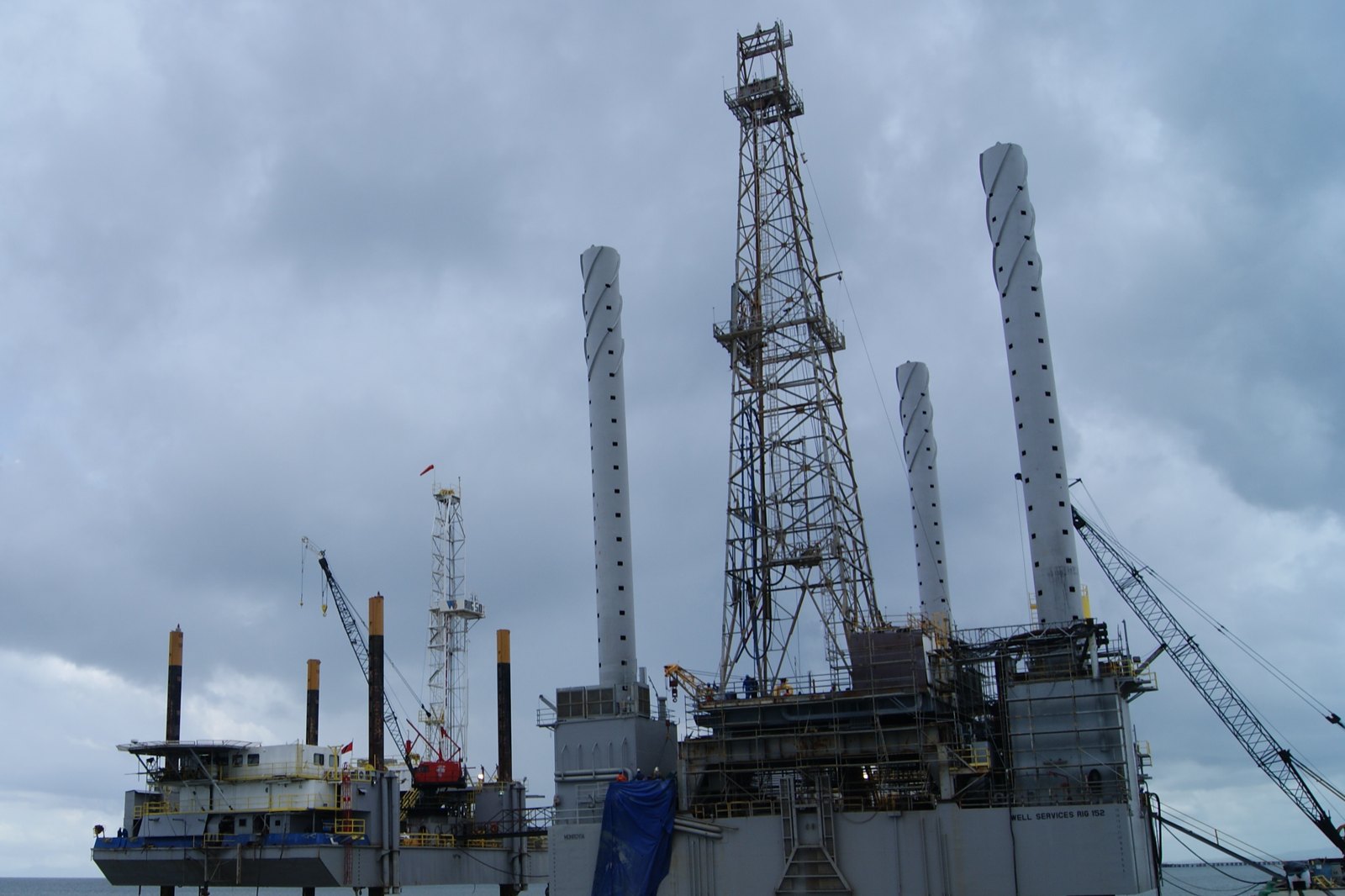
For the islands’ population of around 3,500, the development represents a potential economic transformation. The Falklands Legislative Assembly described Saturday’s decision as “a good day for the Falkland Islands,” stating the project “will transform our economy and give future generations a more secure and self-reliant Falklands” under the territory’s own legal and regulatory framework.
Argentina’s Strategy and the Wider Context
President Javier Milei launched the legal challenge in September 2026 as part of a broader campaign to pressure the UK over the islands, which Argentina calls the Malvinas. Buenos Aires argued that drilling could change the situation while the sovereignty dispute remains unresolved, citing a UN resolution calling for both sides to desist from unilateral actions. Milei has also pursued domestic criminal complaints against the project’s operators and sent letters to 180 companies in the Sea Lion supply chain; two suppliers withdrew this month after sanctions threats.
Argentina considers the principle of self-determination inapplicable to a population it views as implanted by Britain after 1833. The 2013 referendum, in which islanders voted overwhelmingly to remain British, is rejected by Buenos Aires. Milei, a close ally of US President Donald Trump, declared after the ruling that “this decision is not the final word” and reiterated that “the Falkland Islands are Argentine.” His government says it will seek new measures before the arbitral tribunal.
UK and International Reaction
Foreign Secretary Ed Miliband and Attorney General Ellie Reeves welcomed the ruling as a vindication of the UK’s legal defence. In a joint statement, they urged Argentina to “respect the right of the Falkland Islanders to determine their own future and urge Argentina to end its wider economic pressure against the Falkland Islands.” Prime Minister Andy Burnham and Miliband had given reassurances at the Joint Ministerial Council this week, the annual forum between the UK Government and the Overseas Territories.
The dispute revives memories of the 1982 war, fought 44 years ago over the South Atlantic archipelago. Britain has governed the islands continuously since 1833. Against this backdrop, the ITLOS ruling clarifies the procedural limits of maritime law in sovereignty conflicts: a tribunal designed for the law of the sea cannot be the forum to decide who owns the land.
Sources
- Defeat for Milei as court backs Britain on Falklands drilling
- Argentina's bid to stop Falklands oil drilling rejected
- Princess Anne Visits Remote Islands Near Antarctica
- Argentina's bid to halt oil drilling off U.K.-held Falkland Islands rejected by international court
- Falklands Legislative Assembly welcomes tribunal decision: “A good day for the Falkland Islands”
- Defeat for Milei as court backs Britain on Falklands drilling – AOL
Photo: Wmeinhart (CC BY-SA 3.0)