MOSCOW, November 27, 2026 — Kremlin spokesman Dmitry Peskov warned that Ukraine is seeking to push the conflict beyond its current boundaries through what he described as terrorist activity in the Baltic and Mediterranean seas. The statement came as Moscow assessed the implications of reported Ukrainian strikes on Russian naval assets off Libya and cargo vessels in the Baltic.
Maritime Operations and the Expansion of Conflict Geography
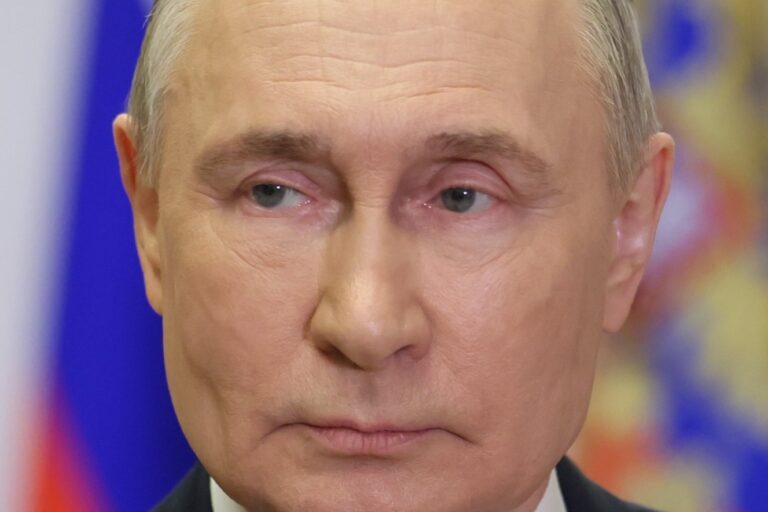
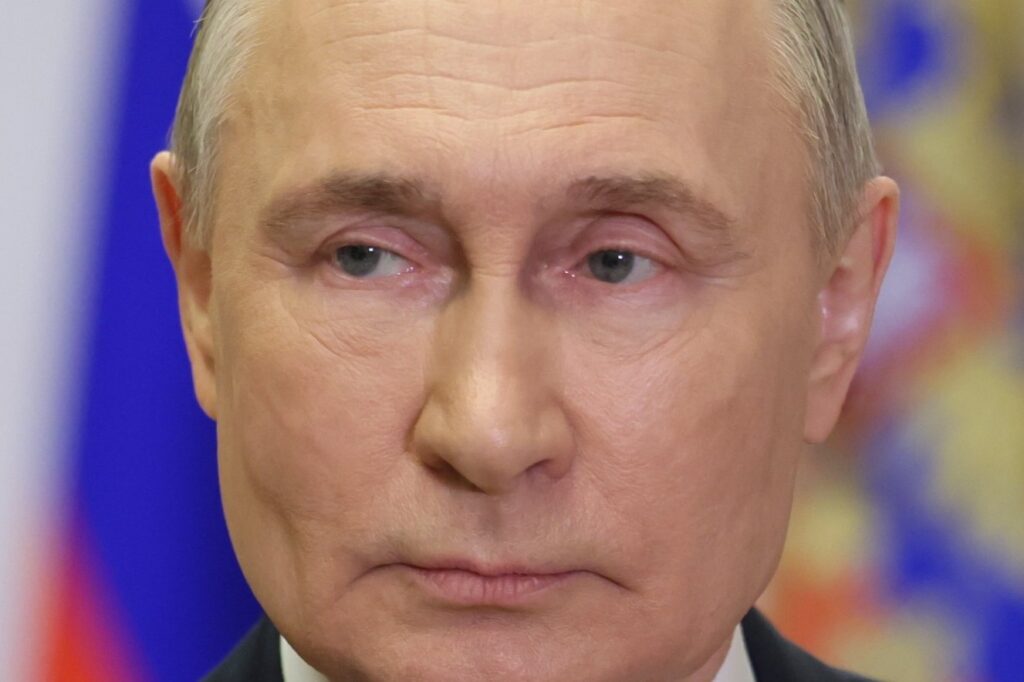
Peskov pointed to Kiev’s activity in the Baltic and Mediterranean seas as an attempt to widen the war, raising concerns among coastal nations and, in the Kremlin’s assessment, NATO. He described Ukraine’s operations against Russian naval vessels off Libya and cargo ships in the Baltic Sea as a very dangerous trend, stressing that no party was interested in seeing the conflict spread to new areas. According to the statement, President Vladimir Putin’s administration maintains that Russian military operations continue in response to attacks, carrying painful consequences for Kyiv. The Defense Ministry is handling the investigation into the reported sinking of the corvette Merkury off the Libyan coast and will provide information if deemed appropriate.
European Spending and Diplomatic Outreach
Turning to European financial support for Kiev, the Kremlin spokesman criticized the EU’s spending plans, arguing Brussels is preparing to prolong the war rather than pursue peace. Peskov said Russia intends to initiate contacts with European countries to determine whether they are prepared to contribute to peace efforts or continue the conflict. He added that Moscow wants to ascertain whether the so-called “Coalition of the Willing” is a coalition seeking peace or one seeking to continue the war. Regarding a proposed joint humanitarian operation in the Ukrainian city of Kostiantynivka, Peskov said Moscow’s position had not changed and that Russia had received no response from Kyiv.
US Relations and the Trump Dynamic
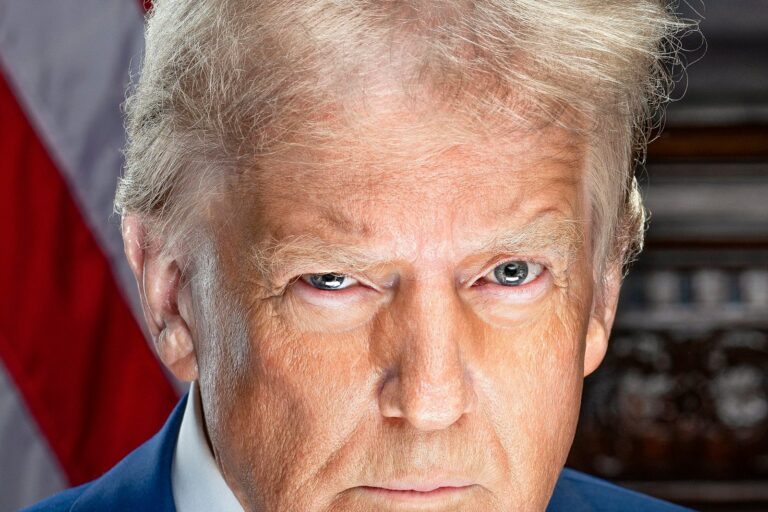
Peskov characterized relations between Putin and US President Donald Trump as businesslike, pragmatic, and friendly, noting that this rapport enables the two leaders to address even the most difficult issues. The Kremlin has not yet decided whether Putin will travel to the United States for the G20 summit. The description of the bilateral relationship aligns with recent commentary from Jared Kushner, who referred to Vladimir Putin as a grandmaster of politics and accused Ukraine of derailing peace talks.
Dismissal of German Intelligence Reports
The Kremlin dismissed German media and intelligence reports regarding an alleged nuclear-armed satellite launch as unfounded insinuations and propaganda. A joint investigation by German public broadcasters WDR and NDR with the newspaper Süddeutsche Zeitung reported that Western intelligence agencies believe Russia plans to launch a nuclear-armed satellite called Sputnik-S as early as December 2026. “We haven’t seen the report. But there are so many ‘alleged’ and ‘possible’ claims in it, attributed to who knows whom, that it’s certainly hardly worth taking them seriously,” Peskov told reporters. Russia’s Embassy in Berlin rejected the report as part of a propaganda campaign, insisting that Russia’s activities in space are strictly peaceful and in compliance with international law.
Balancing Acts in the Middle East
Russia officially endorses Yemen’s formal government while quietly providing military support to Houthi rebels, illustrating a complex balancing act in the Middle East. According to the record, Moscow recognizes Yemen’s formal government as the sole authority so as not to spoil relations with the Gulf monarchies, while maintaining close ties—including militarily—with the Houthis. UN Security Council experts indicate that the Houthis receive weapons with markings identical to those manufactured in Russia, including Kalashnikov assault rifles, Dragunov sniper rifles, Makarov pistols, and Tyulpan scopes. Moscow has at minimum discussed the potential provision of anti-vessel Yakhont missiles. The longer tension persists in Yemen, the riskier this balancing act becomes for the Kremlin.
Sources
- Peskov Warns of Kiev’s Bid to Widen Ukraine Conflict
- The Kremlin Is Playing Both Sides in Yemen—But for How Long?
- Kremlin Dismisses Reports About Alleged Nuclear-Armed Satellite Launch
- Kremlin warns Ukraine of 'painful' consequences following attack on Russian vessels in Libya, Baltic Sea
- It's like calling Hitler a friend: Zelenskyy outraged by Trump's friendly embrace of Putin
- Kushner Speaks the Kremlin's Language: Why Trump's Team Is Playing Into Russia's Hands
Photo: Пресс-служба Президента РФ (CC BY 4.0)