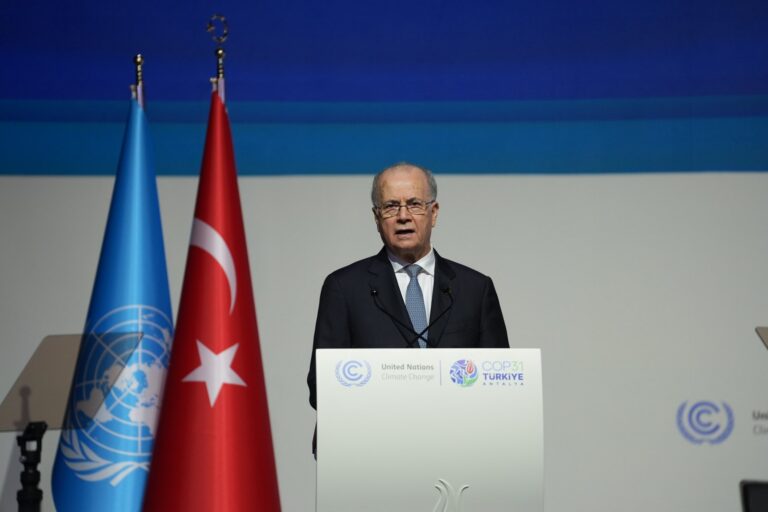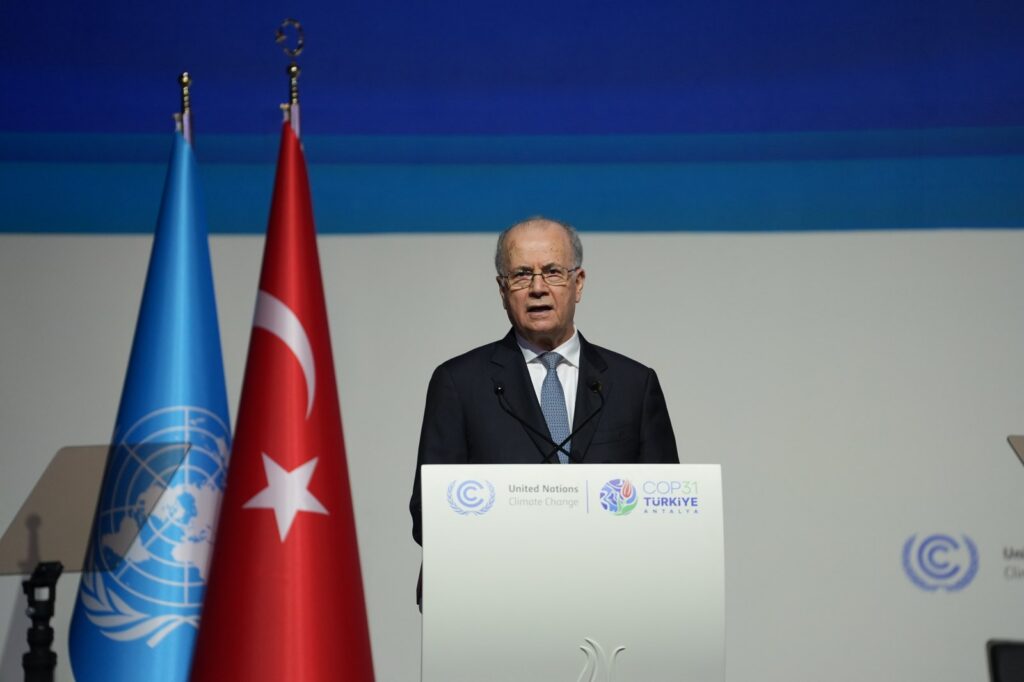
ANTALYA, November 21, 2026 — A representative for the Group of 77 has accused developed nations, including the European Union and the High Ambition Coalition, of employing “divide-and-rule” tactics to fracture the bloc’s united front on climate finance.
A Coalition Tested by Time and Divergent Needs
The Group of 77, a coalition of 134 developing countries plus China, was founded in 1964 to strengthen the joint negotiating power of its members in the United Nations. It is a diverse set of states bound by a common South-South ideology, with chapters in major international hubs like Geneva, Rome, and Vienna. The bloc’s core position on climate change is that developed nations bear a historical responsibility for greenhouse gas emissions, a stance rooted in the disparity between per capita emissions in the developing and developed world.
This long-standing unity is now being tested. The G77 representative, speaking on the condition of anonymity, alleged that developed nations are “dividing the developing nations” and deliberately hindering the process for a clear climate finance roadmap. “G77 is being divided by the European Union and High-Ambition coalition,” the official stated, adding that the bloc’s concerns were compounded by what it perceives as a lack of transparency from the COP31 presidency.
Internal Pressures and Shared Strategies
Within the G77, different regions bring distinct priorities to the negotiating table, creating inherent tensions. African nations, for instance, are actively seeking more grant-based and highly concessional finance to support climate adaptation and a just energy transition. “A just transition that is not financed is injustice,” said Nana Antwi-Boasiako Amoah, chair of the African Group of Negotiators on Climate Change. He emphasized that adequate financing, technology, and capacity-building support are essential for Africa to move forward with climate action.
Despite these differing needs, a strategic partnership exists between Africa and China. Amoah stated, “We, as Africa, work very closely with China,” pointing to the Group of 77 and China and the Like-Minded Developing Countries as the primary forums for this collaboration. He described China’s role in negotiations as advocating for the interests of all developing countries, not just its own. This alignment highlights how the bloc functions as a coalition of diverse members working towards common goals, even when their specific paths differ.
The Stakes of a Fractured Front
The G77’s cohesion is critical, particularly as the final hours of COP31 approach. The bloc is demanding clarity on a finance roadmap that would detail how developed nations will provide the resources needed for developing countries to implement climate action. When the G77 called a meeting with the COP31 presidency seeking this transparency, they claim no clear answer was given. Instead, they allege the presidency engaged in selective consultations with smaller groups and sub-groups, bypassing the full bloc.
This internal solidarity extends beyond climate talks. In a separate meeting at the International Atomic Energy Agency in Vienna, Iran’s delegation explicitly aligned its statement with the official position of the Group of 77, demonstrating the bloc’s role as a unified voice on a range of international issues. The bloc’s ability to present a united front is seen as its greatest strength, and its fragmentation, as the representative warns, could allow “what the developing nations haven’t agreed to [to be] parachuted in the final text.” Uruguay will assume the G77 chairmanship for 2026, succeeding Iraq, as the negotiations in Antalya continue past their scheduled deadline.
Sources
- COP31: G77 accuses developed nations of dividing bloc, lack of transparency
- Group of 77
- African nations seek 'equitable' climate finance
- Iran Urges IAEA to End Restrictions on Cooperation – WANA
- Distribution Problems 11: Forest of Illusions – Moving Magic Stones 3: Remainders and Shortages|算数の発見ノート
- Pozavarovalnica Sava DD (FRA:I69) (Q3 2026) Earnings Call Highlights: Profit Target Raised to …
Photo: Xuthoria (CC BY-SA 4.0)