BEIRUT, November 12, 2026 — Lebanon began new talks with the International Monetary Fund on Tuesday aimed at securing a bailout, but progress remains stalled because parliament has not passed a law to distribute an estimated $70 billion in banking losses. Finance Minister Yassine Jaber said the goal is to reach a preliminary agreement by Friday.
The Missing Law
An IMF staff-level agreement reached in April 2022 made the financial gap law a condition for unlocking assistance. The legislation would allocate losses among the state, the central bank, commercial banks, and depositors. The cabinet submitted a draft to parliament in 2025, but the text is contested by the banking sector and political parties, preventing a vote. Differences over loss estimates and their distribution have stalled negotiations ever since.
Jaber told reporters the sticking point remains the adoption of that law. “Lebanon cannot continue with a cash economy and without an effective banking sector,” he said, adding that the only solution is for the gap law to be passed so banking sector reform can begin. Parliament has already adopted banking secrecy reform and a law on restructuring the sector, two other IMF conditions.
A Gap That Keeps Growing
The government estimated losses resulting from the 2019 financial crisis at around $70 billion in 2022, a figure believed to have increased over the seven years the crisis has remained unresolved. The crisis has deprived savers of access to their deposits and pushed them toward using cash, eroding confidence in the banking system. Banks placed much of their customers’ money at the central bank and cannot get it back, leaving the financial system unable to issue new loans or restore normal lending.
Economy Shrinking, Hunger Rising
Lebanon’s nominal GDP was estimated at $26 billion in 2024. The World Bank expects the economy to shrink by 6.4 percent in 2026, after two successive wars between Israel and Iran-backed Hezbollah since 2023 derailed recovery efforts. More than 1 million people are experiencing acute food insecurity, according to a Lebanese-U.N. report released this week. That number is projected to rise to 1.15 million by mid-2027, affecting 24 percent of the population.
The report, compiled by the Ministry of Agriculture, the Food and Agriculture Organization, and the World Food Program, said 1.05 million people already face crisis or worse levels of acute food insecurity, including 52,000 in emergency conditions. By mid-2027, those in emergency conditions are expected to nearly double to 97,000. “Behind these figures are families running out of options,” said Allison Oman Lawi, the World Food Program representative in Lebanon.
Gold Reserves and the Liquidity Trap
Lebanon holds gold reserves worth almost $40 billion. Discussions have surfaced about using a portion to repay depositors and inject liquidity, but a 1986 law prevents the gold from being sold without legislation approved by parliament. The central bank owes billions to commercial banks, and the government has unpaid debts and cannot borrow normally from international markets. Printing more Lebanese pounds does not solve a dollar shortage and could reignite inflation and currency depreciation.
Debt Burden Persists
Lebanon is the third-highest indebted country in the world in terms of debt-to-GDP ratio. Interest payments consumed 48 percent of domestic government revenues in 2016, limiting the state’s ability to invest in infrastructure and public goods. That structural constraint remains a backdrop to the current negotiations as the IMF and Lebanese officials work through the week.
Sources
- Economy of Lebanon
- Lebanon enters new IMF talks amid economic crisis
- Lebanon Is Protecting Its Gold While Starving Its Economy – Middle East Transparent
- Mahama pushes for expanded economic cooperation with India, Lebanon – MyJoyOnline
- Acute food insecurity in Lebanon expected to worsen, report says
- Israel is ‘disrupting entire ecosystems’, including Lebanon’s wheat crop
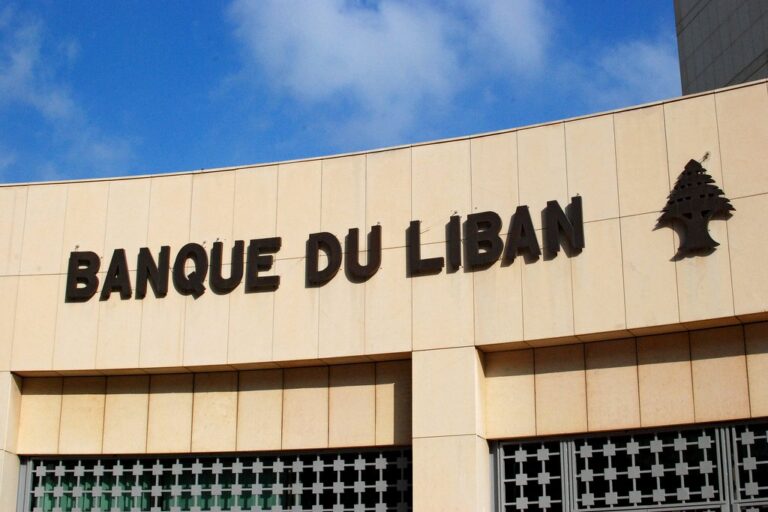
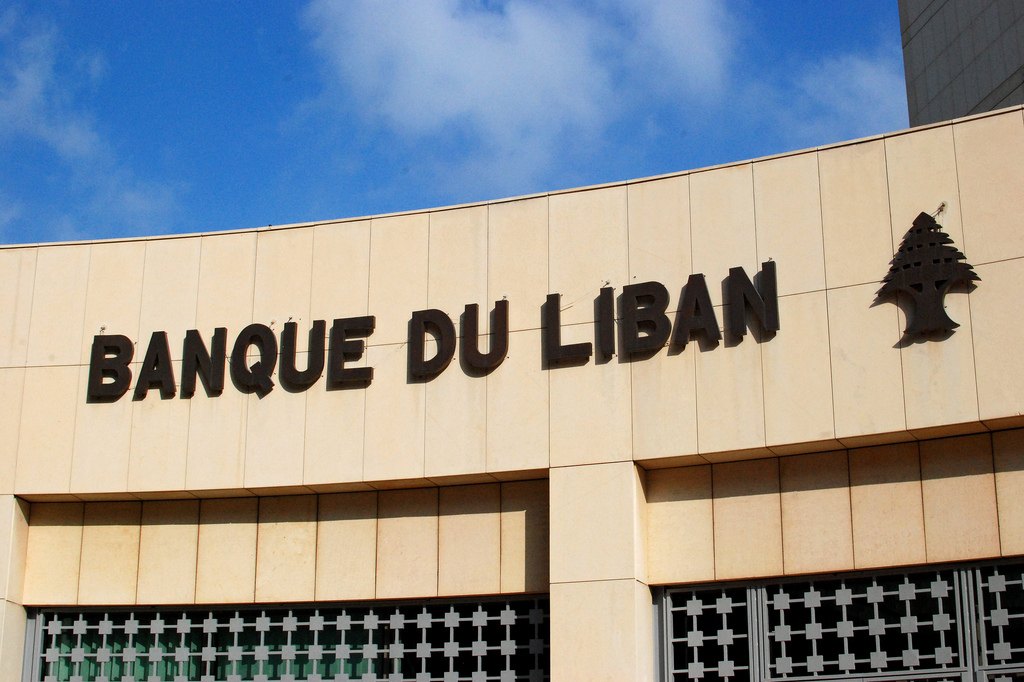
Photo: Karan Jain from Washington, DC, USA (CC BY-SA 2.0)