The Horn of Africa is facing renewed conflict and humanitarian disasters, with the region grappling with renewed war in Ethiopia, genocide and ethnic cleansing in Sudan, and increased fighting in South Sudan. According to the Carnegie Endowment for International Peace, African states are exerting their agency through partnership diversification, high-level state visits, and commercial diplomacy.
Background On The Horn Of Africa
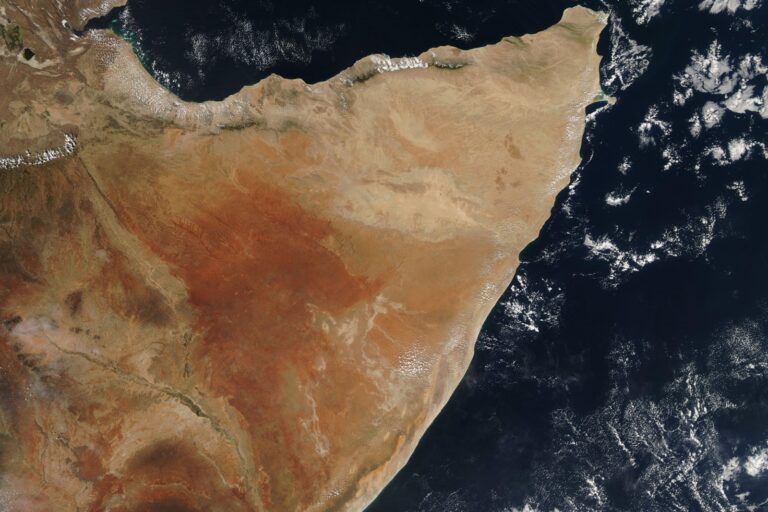
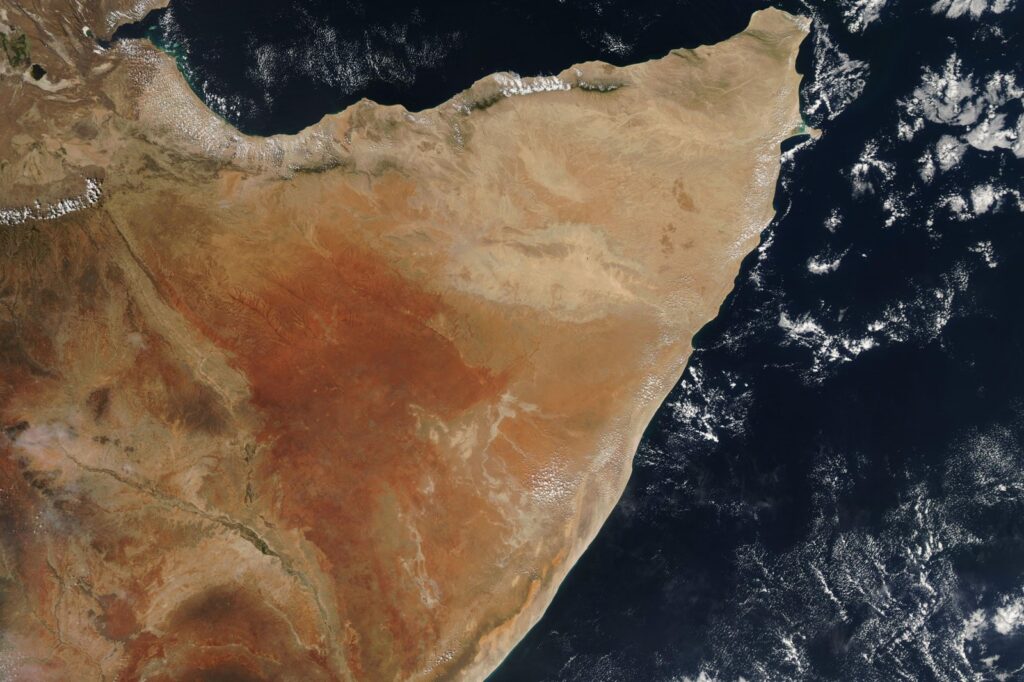
The Horn of Africa, composed of Somalia, Djibouti, Ethiopia, Eritrea, and the partially recognised state of Somaliland, is a region of significant geopolitical and strategic importance. The region is situated along the southern boundary of the Red Sea, extending hundreds of kilometers into the Gulf of Aden, Guardafui Channel, and Indian Ocean. The Horn of Africa is no longer a peripheral theatre but has become a central junction where Middle East, Africa, and global power competitions intersect.
Regional Dynamics And Strategic Importance
The region’s strategic importance is driven by a logic of operational positioning, with the Red Sea increasingly shifting from a commercial corridor into an integrated security continuum. Israel’s recognition of Somaliland on December 26, 2025, marks a transition from episodic rivalries to structured competition over the Red Sea’s security architecture. This move has solidified a “Berbera Axis” (Israel-UAE-Ethiopia) centered on port access and maritime monitoring, which is now directly countered by a “Mogadishu Axis” (Somalia-Turkey-Egypt-Saudi Arabia) defending Somali sovereignty.
Humanitarian Pressures And Internal Conflicts
The region is facing acute food insecurity, with the World Health Organization projecting that more than 37.8 million people face acute food insecurity, and 4.9 million children projected to suffer acute malnutrition. The war in Ethiopia has flared up again, with internal fragmentation forging unlikely alliances and tense regional relationships. The conflict in Ethiopia has the potential to metastasize regionally, with external proxy dimensions and the potential for interstate conflict.
African Agency And Partnership Diversification
Despite these challenges, African states are exerting their agency through partnership diversification, high-level state visits, and commercial diplomacy. According to the Carnegie Endowment for International Peace, African states are exercising their agency in a multipolar world, with a focus on promoting dynamic geopolitical partnerships with African states and redirecting US and European policy priorities toward strengthening security and bolstering economic growth and prosperity on the continent.
Numbers Behind The Crisis
The numbers behind the crisis are stark, with the World Health Organization projecting that more than 37.8 million people face acute food insecurity, and 4.9 million children projected to suffer acute malnutrition. The region is also facing a severe flooding risk due to the “super El Niño,” with a 90% chance of above-average rainfall over southern Ethiopia and central and southern Somalia between October and December.
Conclusion And Next Steps
As the Horn of Africa faces renewed conflict and humanitarian disasters, African states are exerting their agency through partnership diversification, high-level state visits, and commercial diplomacy. The region’s strategic importance and the numbers behind the crisis underscore the need for a coordinated response to address the humanitarian needs and promote economic growth and prosperity. On November 18, the Atlantic Council’s Africa Center will host a conversation to overview current dynamics, areas of need, and pathways forward for the Horn of Africa.
Sources
- Horn of Africa
- New Report Warns El Niño Could Bring Severe Flooding to the Horn of Africa, Calls for Early Action to Prevent the Worst | Action Against Hunger
- The Red Sea Power Game: Israel’s recognition of Somaliland and the contest for influence in the Horn of Africa – Fondation pour la Maîtrise des Enjeux Stratégiques
- As Horn of Africa splits, Türkiye can bring its partners to table | Opinion
- The risk of ignoring the Horn of Africa's humanitarian crises
- A Delicate Balance: Africa’s Agency on Full Display and Expanding Conflict in the Horn
Photo: MODIS Land Rapid Response Team, NASA GSFC (Public domain)