More than 50 civilians were killed in Yemen in what officials called one of the deadliest 24‑hour periods of the war, underscoring the urgent need to understand how the Houthi‑aligned political leadership is governing amid the violence.
Origins of the Supreme Political Council
The Supreme Political Council (SPC) was created on 28 July 2016 in Sanaa by the Houthis and the pro‑Houthi faction of the General People’s Congress. It was established as an extraconstitutional rival executive to fill the political vacuum that emerged during the Yemeni civil war. Ten members were sworn in on 14 August 2016, and the following day the Supreme Revolutionary Committee handed power to the new council.
Functions and Structure
The SPC carries out the functions of head of state, appointing Yemen’s cabinet and managing state affairs in the territories it controls, which were formerly part of the Yemen Arab Republic (North Yemen). Under the council, the Cabinet of Yemen is subordinate; the SPC appoints and supervises government officials who oversee the relevant ministries. Since its inception, two governments have been formed under the council’s authority.
Leadership Over Time
Saleh Ali al‑Sammad served as the council’s first president, with Qassem Labozah as vice‑president. After al‑Sammad was killed in a drone strike on 19 April 2018, Mahdi al‑Mashat assumed the chairmanship and has led the SPC since then.
Governance in the North and Opposition to Aden
The SPC rules the areas of Yemen under Houthi control, opposing the internationally recognised Presidential Leadership Council based in Aden. While the SPC is unrecognised internationally, it is acknowledged by Iran, which received an Houthi ambassador in August 2019.
Subordinate Ministries and Recent Changes
In 2016 the SPC appointed former Aden governor Abdel‑Aziz bin Habtour to head a ministry known as the National Salvation Government (NSG). The NSG was dismissed in September 2023 and replaced by a caretaker administration still led by Habtour. In August 2024 a presidential resolution created the ‘Government of Change and Construction’ (GCC) under Ahmad al‑Rahawi, and the House of Representatives in Sanaa approved its cabinet and a 36‑point general programme eight days later.
Recent Turmoil Within the Council
On 28 August 2025 Israel launched Operation Lucky Drop, assassinating the SPC’s Prime Minister and other officials. Two days later the Houthis appointed Muhammad Ahmed Miftah as the new Prime Minister. The status of the SPC’s Defense Minister remains unconfirmed.
What This Means for Communities
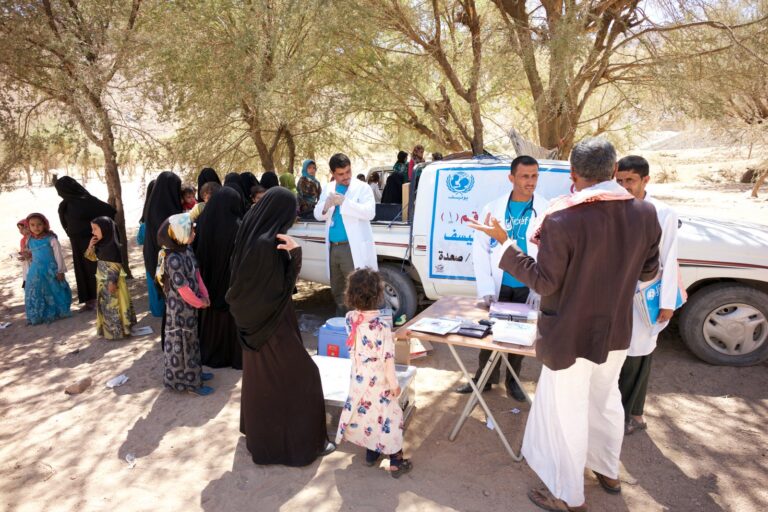
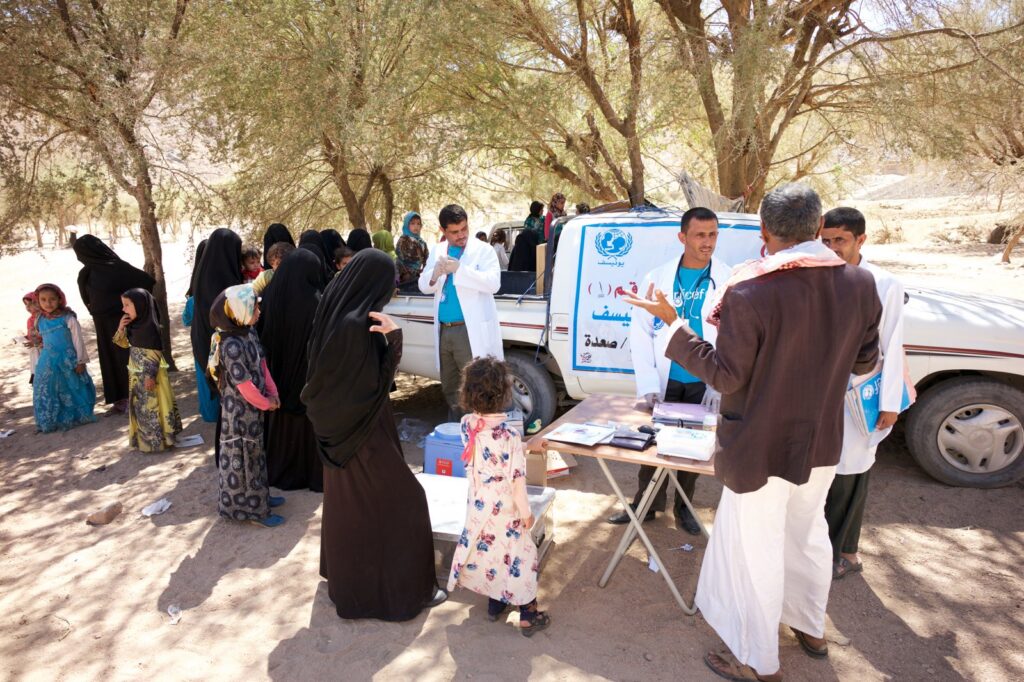
For families across the region, the SPC’s continued claim to state functions means that everyday services—from health clinics to water distribution—are administered through a parallel government structure that operates alongside the internationally recognised administration in Aden. The council’s ability to appoint cabinets and ministries directly influences how resources are allocated in the north, affecting the daily lives of ordinary people who depend on these services amid ongoing airstrikes.
The next scheduled development is the SPC’s upcoming cabinet approval session, set for early 2026, which will determine the composition of ministries responsible for essential services in the Houthi‑controlled areas.
Sources
- Supreme Political Council
- Wang Yi Meets with Deputy Secretary of Iranâs Supreme National Security Council Ali Bagheri Kani
- What the Midterms Mean for the Iran War
- Can Iran’s new supreme leader make peace from behind the scenes?
- Iranian official claims military and political victory over Trump following US midterm elections
- Judgment Without Machinery: Enforcing The Supreme Court's Local Government Autonomy Against Recalcitrant States – TheNigeriaLawyer
Photo: Julien Harneis (CC BY-SA 2.0)