“The lesson from Hormuz is not that our world has become too interconnected,” Singapore’s Zaqy Mohamad told the Manama Dialogue on November 1. “It is that our security cooperation has not always kept pace with our interdependence.”
Zaqy, Acting Minister for Muslim Affairs and Senior Minister of State for Defence, was speaking on a maritime security panel organised by the International Institute of Strategic Studies. The mood in the hall was shaped by months of disruption in the Strait of Hormuz, where a standoff between the United States and Iran has kept shipping stalled, and by a hope that the war may be nearing some kind of end. Delegates talked about what comes after.
Three asks from Singapore
No single nation can secure the maritime commons alone, Zaqy said. He wanted littoral and user states to take the initiative, with other users of the passages backing them. His three areas of cooperation were quick sharing of threat information, readiness to act together, and “securing what we cannot always see”, meaning the cables and other infrastructure under the sea. If countries come to treat higher risks, longer routes and rising costs as ordinary business, he warned, insecurity becomes permanent. Singapore already patrols the Malacca Straits with Indonesia, Malaysia and Thailand, and has contributed to Combined Task Force 151 in the Gulf of Aden and Task Force 153 in the Red Sea.
Greek Prime Minister Kyriakos Mitsotakis told delegates the problem was not confined to the Middle East. He named a second “problematic theatre of operation”, the Black Sea, and said a Greek-owned container ship had been sunk there days earlier. A senior Asian diplomat at the conference said the world was looking for credible powers to lead, and that “even token behaviour helps make the larger point.”
The Black Sea toll
On October 28 the defence ministers of Bulgaria, Romania and Turkey met in Sofia and condemned attacks on commercial vessels. The Financial Times, citing data from the security firm Ambrey and the International Maritime Organization, reported that more than 570 vessels have been hit in the Black Sea since the start of the year, killing at least 40 seafarers. The same count for the Strait of Hormuz area is 24 deaths.
Turkey’s Yaşar Güler said Ankara will keep applying the Montreux Convention as it does now. He called the three countries’ joint stance a reminder to both warring parties that safe commercial routes and the safety of coastal states are “inviolable red lines.” The ministers agreed to share more intelligence and sharpen early warning. While they sat, the Bulgarian Navy reported rescuing the crew of the Liberian-flagged Contship Jet, which an unmanned surface vessel had hit 17 miles east of Cape Kaliakra.
Lessons from antiquity
A writer in Maritime Executive, Stephen DeCasien of Yale, looked far further back. He picked four ancient blockades: Samos in 440 to 439 BCE, Syracuse in 413 BCE, Rhodes in 305 to 304 BCE, and the Roman effort at Lilybaeum and Drepana in 250 to 249 BCE. At Samos, Pericles pulled sixty ships away to meet a feared Phoenician fleet, and the defenders ruled their local waters for fourteen days. His point is that holding a blockade is harder than imposing one. That matters now, with the United States blockading Iranian ports and Chinese planners treating a blockade of Taiwan as an option.
India and Italy
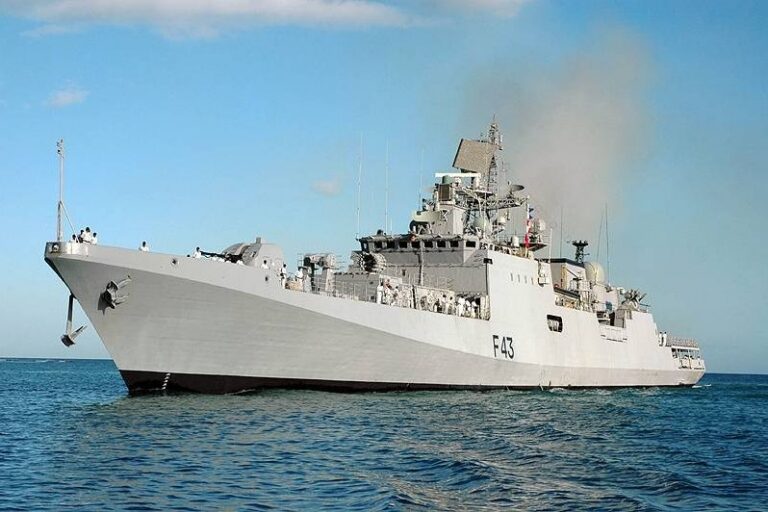
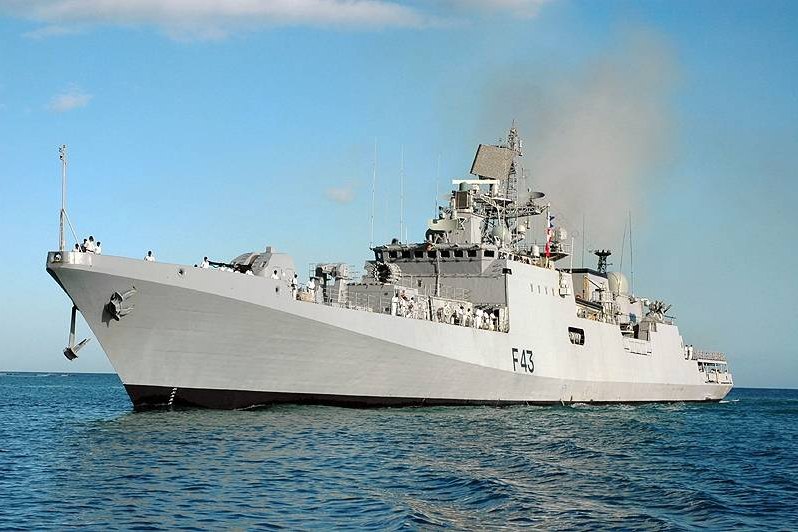
Elsewhere, partnerships are being built more quietly. Last week the first India-Italy Bilateral Maritime Security Dialogue took place in Rome, with the navies, coast guards and foreign and defence ministries of both countries at the table. They discussed maritime situational awareness, illicit activity at sea and protection of critical infrastructure. The talks followed the INS Trishul’s visit to Civitavecchia and, in September, the tall ship INS Sudarshini’s call at Livorno. Indian officials describe the aim in terms of the MAHASAGAR vision, which treats the security of the seas as a shared responsibility.
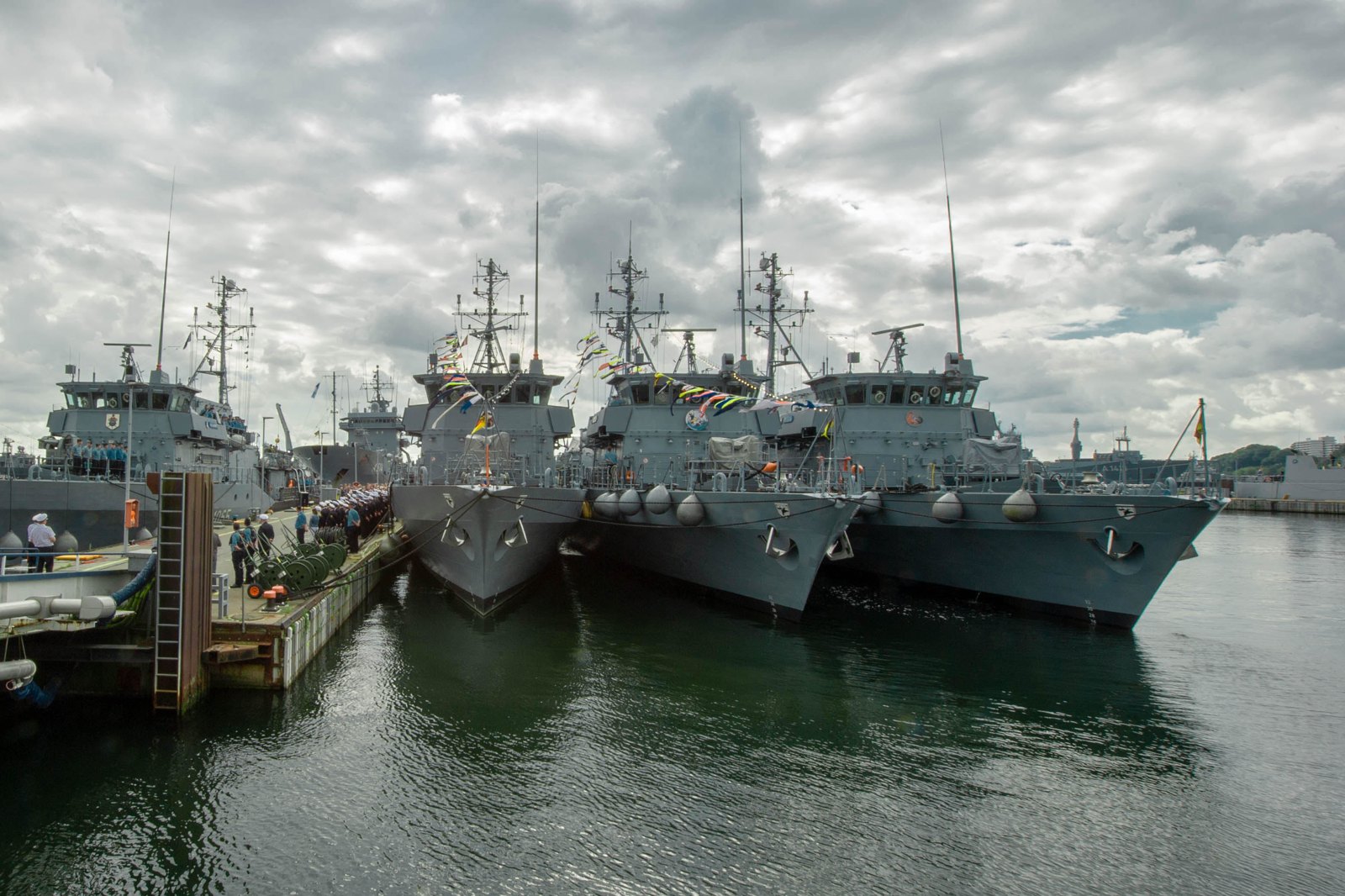
A dispute in the Eastern Mediterranean
Not every maritime story is about cooperation. Libya’s eastern-based parliament approved a maritime memorandum with Turkey on October 20, reviving objections to the 2019 deal. Israeli Ambassador Pninat Yanai wrote on October 31 that the agreement has no legal basis, validity or legitimacy, adding that “no agreement between two countries can undermine the legitimate rights of a third country.” The European Union calls the memorandum null and void. The US State Department, which first urged good-faith talks, said on October 25 that announcing ratification was “not constructive and provocative.” A day later Greece, Cyprus, Egypt, the United Arab Emirates, Bahrain and the EU issued a joint statement at the United Nations. Mitsotakis, in his Sunday Facebook review, said Greece would defend its interests through international law, alliances and credible deterrence.
Sources
- Beyond war, key maritime nations grope for solutions to keep waterways open
- NATO’s Black Sea nations decry Ukraine war spillover endangering commercial ship traffic
- Beyond war, key maritime nations grope for solutions to keep waterways open
- Closing the Sea: Lessons from Ancient Mediterranean Blockades
- INS Trishul in Civitavecchia: Advancing India–Italy maritime partnership
- Israel Reiterates Condemnation of Turkey-Libya Maritime Deal, Backs Athens' Rights – tovima.com
Photo: Indian Navy (GODL-India)