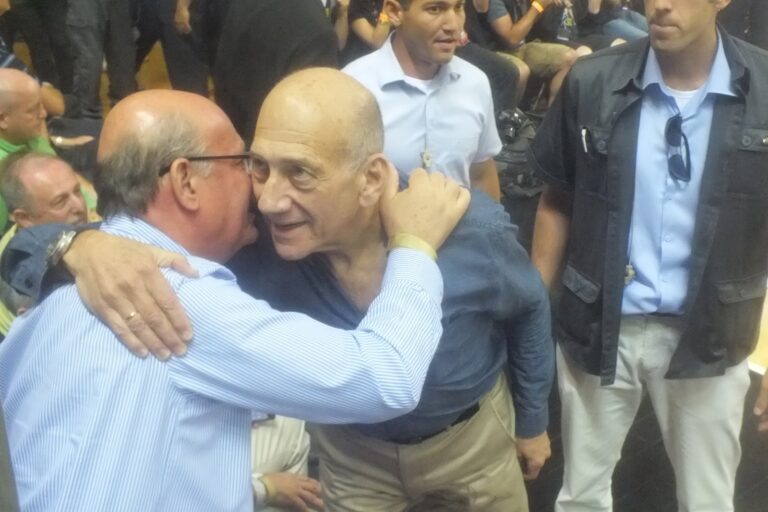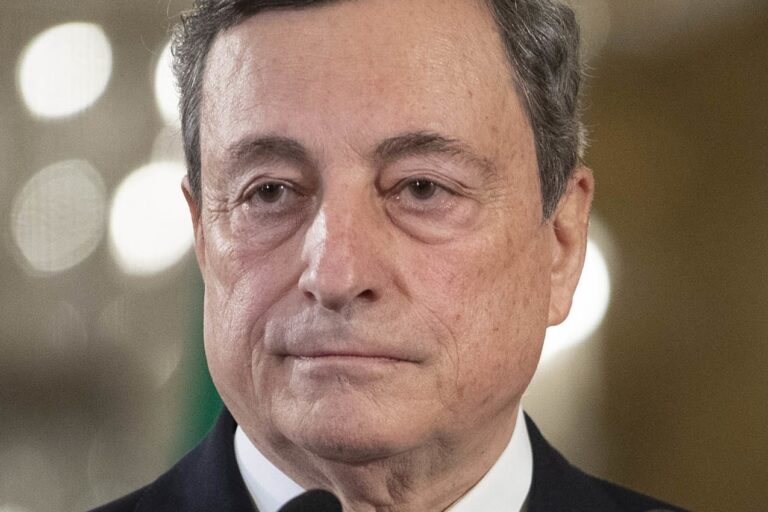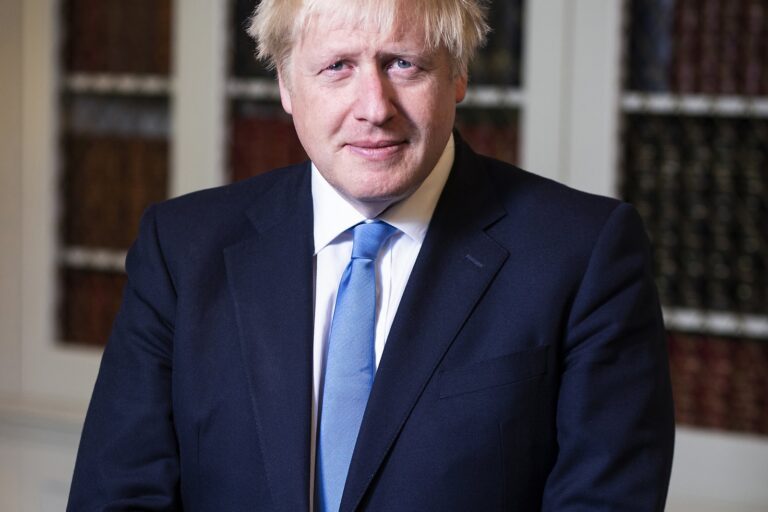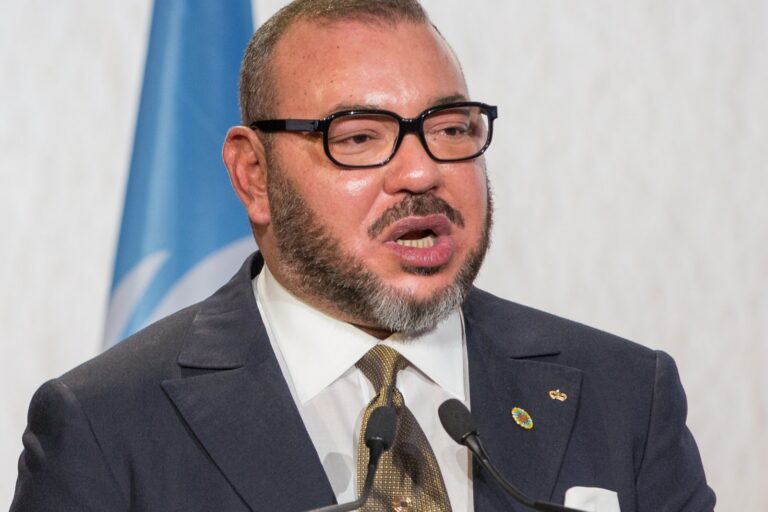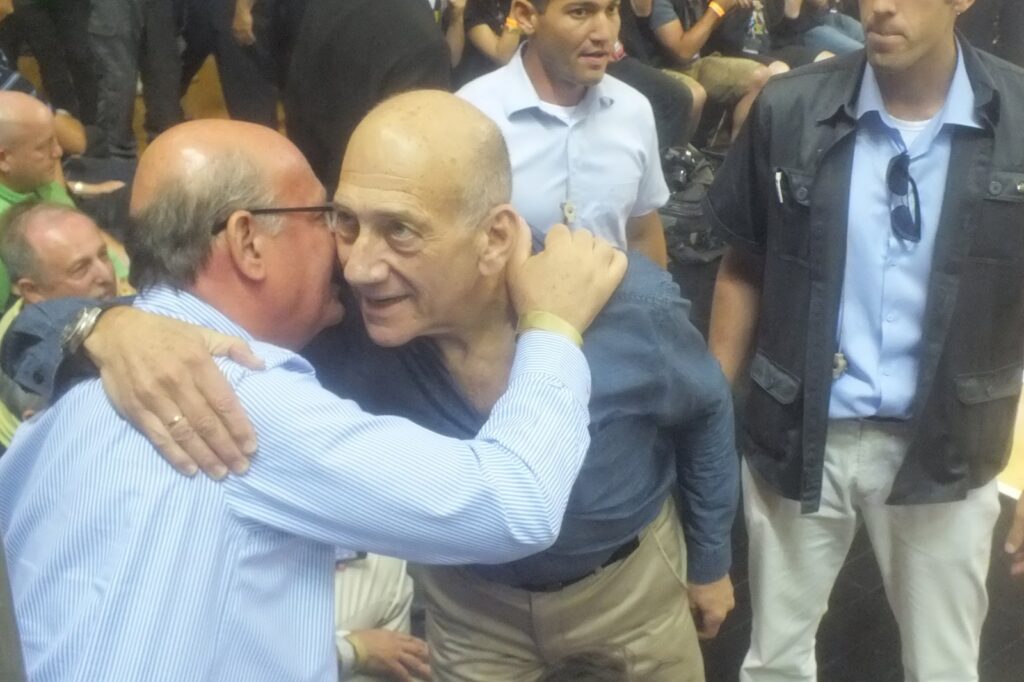
Two days before Israelis voted on October 27, Benjamin Netanyahu posted an AI-generated picture of a nuclear explosion over Tel Aviv. Ehud Olmert, the man who held his job from 2006 to 2009, called it “a sign of desperation and of total loss of the real, genuine ability to judge the political circumstances.”
Olmert is not on the ballot. He did time in prison for bribery and has no seat to defend. He has spent the campaign talking anyway, in interviews with Al-Arabiya English and India Today TV, and his message is blunt: Netanyahu’s era should end.
What the count showed
When counting finished on Thursday night, Netanyahu’s right-wing bloc had 53 seats, short of the 61 needed in the 120-seat Knesset. The opposition bloc led by Gadi Eisenkot took 48. Arab parties won 19.
Olmert read that as a rejection. “The majority of the voters in Israel voted no-confidence to the government of Netanyahu,” he said. Likud is the biggest party, he conceded, but “most of the gains of Likud, perhaps all of the gains of Likud, come from the partners of Likud in the same political bloc.”
His arithmetic for Netanyahu is unforgiving. Without Itamar Ben-Gvir, Bezalel Smotrich and the ultra-Orthodox parties he cannot assemble a majority, and with them he cannot attract anyone from the bloc of change. “So he has to drop them, his loyal partners for so many years. I don’t think that he’s capable of doing it.”
Eisenkot and the Arab parties
Olmert backs Eisenkot, the former army chief, and his Yashar Party. “I think he’s more mature, he’s more ready. And also, I think, the fact that he’s more popular than all of them,” he told Al-Arabiya English. He also said the opposition leaders, whoever they are, stand on the right side of history and Netanyahu on the wrong one.
He wants Arab parties in the government. “I think that Arab parties are legitimate partners,” he said, and he called the decision tough but inescapable. By his account those parties would recommend Eisenkot and work to bring Netanyahu down. If Eisenkot reached 67 recommendations, the president would have no discretion: the law obliges him to give the task to the member of the Knesset with the most.
Olmert fears a different outcome, with Netanyahu hanging on as caretaker prime minister. “If it depends on Netanyahu, he will be willing to continue in one form or another as a caretaker, forever.”
Trump, and the claims about the vote
Allegations that the election was illegitimate surfaced, Olmert said, only once Netanyahu’s camp saw it lacked a majority. “I don’t think that there is any serious evidence that proves this.”
The one direct, somewhat aggressive intervention, in his telling, came from Donald Trump. “The president endorsed Bolsonaro in Brazil, and he lost. He endorsed Orban in Hungary, and Orban lost. And he endorsed Netanyahu, and it looks like Netanyahu also lost.”
A record he does not hide from
Olmert was elected to the Knesset in 1973 at 28, became Mayor of Jerusalem in 1993 and served two terms, then left Likud with Ariel Sharon in late 2005 to form Kadima. After Sharon’s stroke in January 2006 he became acting prime minister. The 2006 Lebanon War ended inconclusively and the Winograd Commission savaged his handling of it. He resigned in 2008 amid a corruption probe, was sentenced to six years in 2014 and was paroled in July 2017. He still describes the case against him as a conspiracy.
In his last year in office he offered the Palestinians a state on almost all the land occupied in 1967. It was never signed. He wants a two-state solution pursued again, and he told Al-Arabiya English that settler violence must be stopped, warning that Israeli leaders and army and police commanders who ignore “the Jewish terror in the West Bank” could be held legally responsible, “possibly also in the International Criminal Court.”
His closing line to voters was plain: “We have to change, and we can change.”
Sources
- Ehud Olmert
- Arab Views: Will Ehud Olmert succeed in resurrecting Israel’s conscience?
- Ehud Olmert says Benjamin Netanyahu 'on wrong side of history' in elections | The Jerusalem Post
- Video. Israel is 'on its way become normal again', says former PM Olmert
- Israel is 'on its way become normal again', says former prime minister Ehud Olmert – AOL
- Netanyahu can't form govt, voters gave him no-confidence vote: Ex-Israel PM Ehud Olmert
Photo: Orrling (CC BY-SA 3.0)