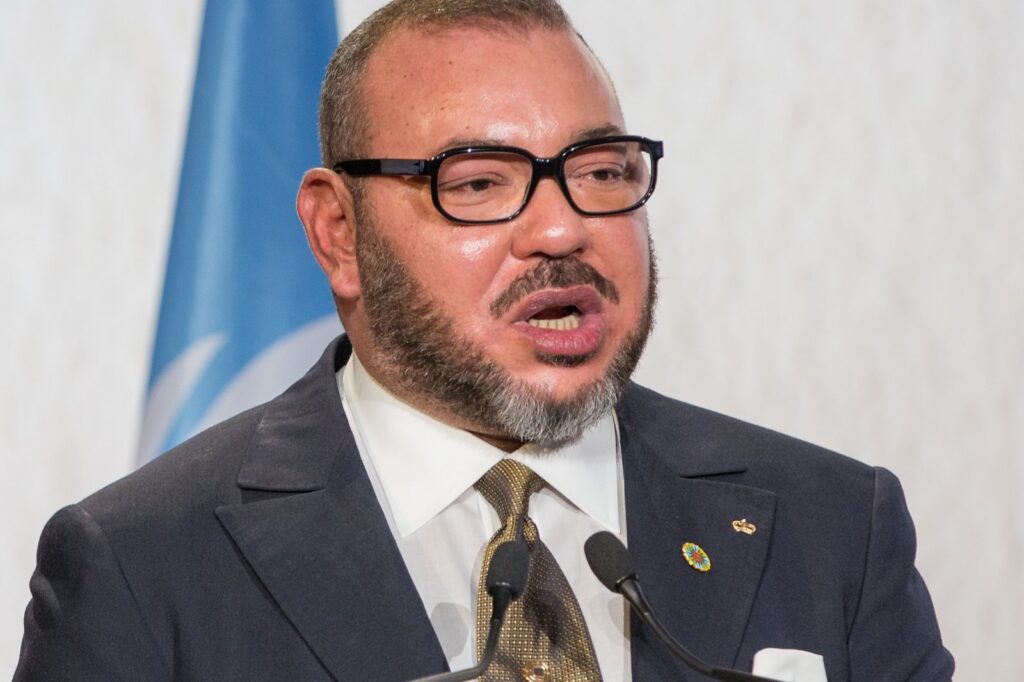
“A 35-year chapter has now come to a close.” That was the word from Morocco’s Royal Office on Friday evening, hours after the UN Security Council failed to agree on keeping its peacekeeping mission in Western Sahara alive.
It is Rabat’s reading of events, and a pointed one. The mission, MINURSO, was set up in 1991 after a UN-brokered ceasefire between Morocco and the Polisario Front. Its job was to monitor the truce and prepare a referendum on the territory’s future. The vote never happened, because the sides could not agree on who was eligible to cast a ballot.
Two vetoes in one day
The US put forward a draft that would have extended the mandate until 31 October 2027. It would also have made Morocco’s autonomy plan the only basis for talks and renamed the mission MINUSO, dropping the “R” for referendum. It won 11 votes in favour with three abstentions. Russia voted against and killed it.
Russia’s own text, a plain one-year renewal, then went down when Washington blocked it. “The Security Council must not give a blessing to such a one-sided approach,” Russia’s ambassador, Vassily Nebenzia, said of the American draft. His US counterpart, Michael Waltz, replied that some members had used their veto “to preserve the letter ‘R’ for referendum”, though the UN has not prepared such a vote in decades.
Diplomats described it as unusual. For years renewals were worked out quietly among France, Russia, Spain, the United Kingdom and the United States. Russia began abstaining in 2018, China followed in 2025, and this year the Council reached competing drafts and vetoes on both sides.
What Rabat is asking for
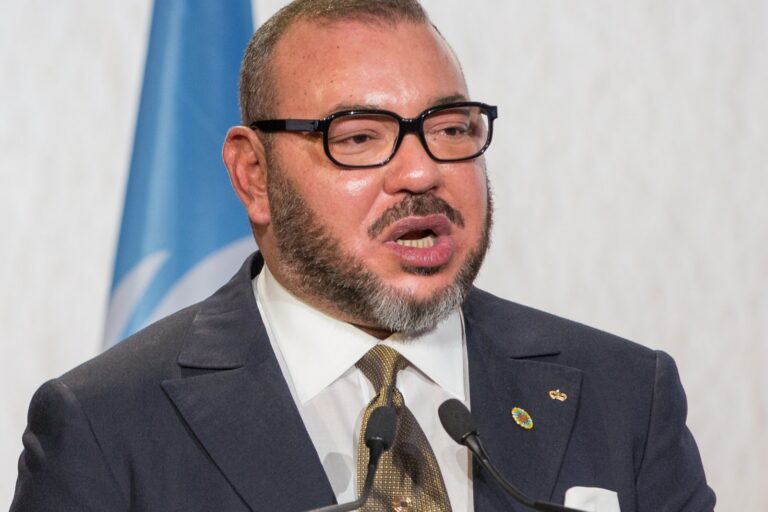
The Royal Office called MINURSO a product of an “anachronistic and outdated context” that had helped internationalise the dispute. It wants the mission’s personnel, vehicles, equipment and symbols out of the southern provinces within days. It also wants the Council to drop the file, ending the periodic meetings, reports from the Secretary-General and briefings by his Personal Envoy.
The statement says the UN political process, “marked by the procrastination of other parties”, is suspended. Morocco said it would take similar steps soon in other UN bodies. It also repeated that it will keep to the ceasefire and act to protect its territorial integrity and national security.
The Polisario Front sees it differently. Its UN representative, Sidi Omar, thanked Russia for blocking a text he said would have undermined the Sahrawi people’s right to self-determination and independence.
Who is left holding the question
For the families living in the territory, the practical questions come first. Ceasefire monitoring and mine clearance rest on the mission’s legal footing, and with the mandate due to lapse on 31 October, that footing is uncertain. The wider UN political process would not end automatically, but the Council had been looking at a short extension as a way to buy time. No such deal had been confirmed at the time of writing.
Western Sahara remains on the UN list of non-self-governing territories. Morocco administers about 80% of it, with the Polisario Front holding the rest, and the territory’s population is around 576,000.
Sources
- A Royal Veto Closes the Moroccan Sahara File at the United Nations
- Moroccan-occupied Western Sahara
- Western Sahara Resource Watch | US and Russia veto competing Western Sahara resolutions, leaving MINURSO’s future uncertain
- UN peacekeeping mission in Western Sahara to expire amid US, Russia vetoes
- America wants the world to move on from Western Sahara’s 35-year independence referendum quest and recognise its ally Morocco’s control over the disputed territory
- Morocco hails end of 35-year UN mission in Western Sahara – P.M. News
Photo: UN Climate Change (CC BY 2.0)