
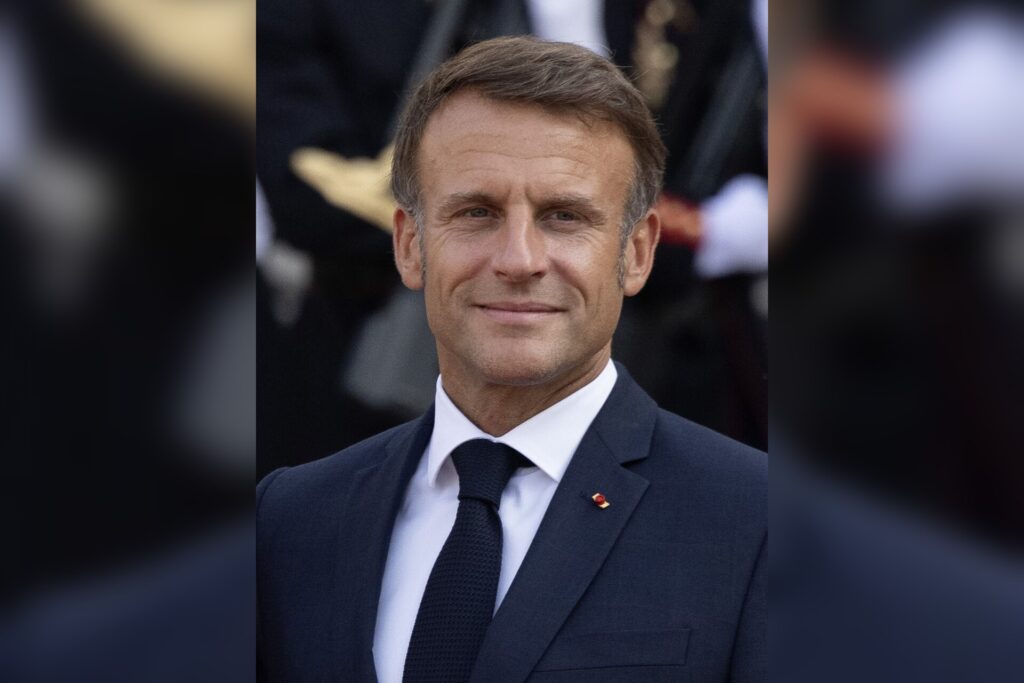
PARIS, July 16 — The shift is already visible. France’s 2027 presidential election, scheduled for April 11 and April 25, is taking shape without the figure who has dominated the Élysée for a decade. Incumbent President Emmanuel Macron is term-limited and cannot run again, opening the field to a trio of declared candidates who represent very different visions for the country.
The French Constitution mandates the election every five years, with a two-round system of direct universal suffrage. Candidates must secure 500 signatures from elected officials — mayors or parliamentarians — to appear on the ballot. As of May 2025, three major figures have declared their bids.
Marine Le Pen of the National Rally is running again, after three previous attempts. She has steadily expanded her base beyond the far-right’s traditional strongholds, and the 2027 race is widely seen as her best opportunity yet. Édouard Philippe, the former Prime Minister under Macron and leader of the Horizons party, offers a centre-right alternative that claims continuity with the Macron era but with a different style. Jean-Luc Mélenchon of La France Insoumise represents the left, with a platform built around redistribution and institutional reform.
The election is expected to be heavily influenced by three issues: immigration, purchasing power, and European sovereignty. These are not new fault lines in French politics, but the absence of an incumbent president reshuffles the dynamics. Watch this space — the trend underneath is that each candidate is calibrating their message to a electorate that has grown increasingly volatile.
What’s changing is the structure of the race itself. Without Macron on the ballot, the traditional left-right cleavage is competing with the anti-establishment energy that Le Pen and Mélenchon both tap into. Philippe, a former prime minister with a technocratic reputation, is betting that enough voters want stability and competence over disruption.
The two-round system adds another layer. In the first round, voters choose among all candidates; only the top two advance to the runoff two weeks later. That means coalition-building and tactical voting become critical — and the outcome is notoriously hard to predict this far out.
The 500-signature requirement is a practical hurdle that has tripped up fringe candidates in past elections. All three declared candidates are expected to clear it easily, but the rule remains a quiet gatekeeper in French democracy.
For now, the calendar is set. April 11, 2027, for the first round; April 25 for the runoff. The campaign season will intensify through late 2026 and early 2027. The trend underneath is that this election is not just a change of leadership — it is a test of whether the centrist Macron coalition can survive without its founder, and whether the far right can finally break through.
Keep an eye on how the European sovereignty debate evolves. With war on the continent’s eastern flank and a shifting transatlantic relationship under the current US administration, French voters are weighing national identity against European integration in real time. That tension will shape the closing arguments of all three campaigns.




