
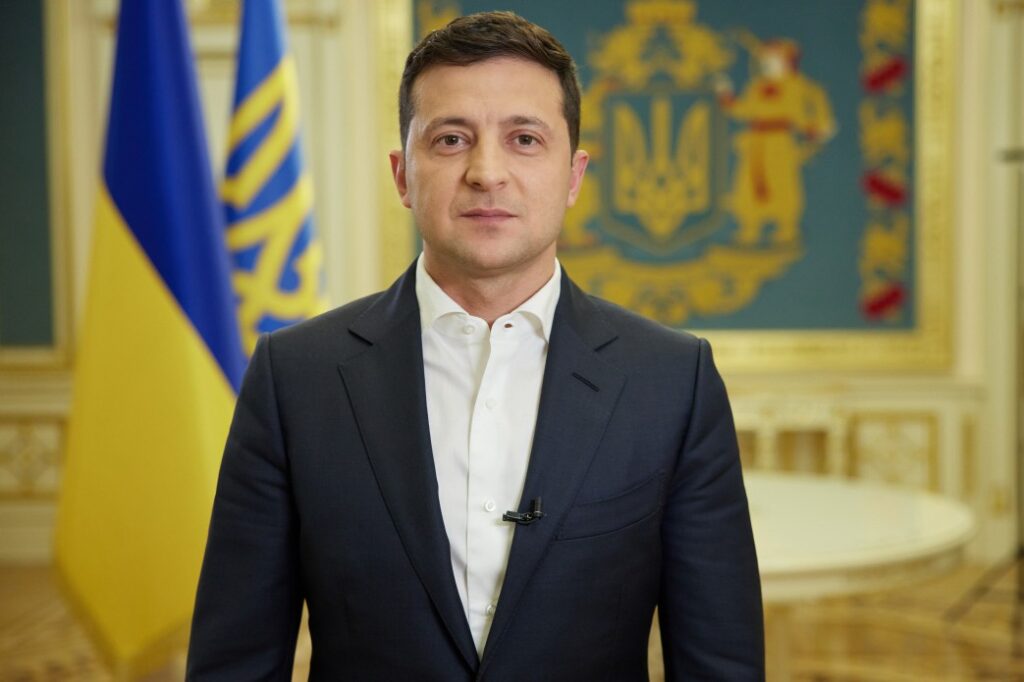
KYIV, July 10 — The mechanics here are worth watching closely. Volodymyr Zelenskyy, Ukraine’s president since May 20, 2019, has spent the better part of four years arguing that the most effective way to pressure Moscow is through its energy revenue. His latest push, directed at the Trump administration, follows a familiar pattern: state the demand, then detail the sanctions gap.
Zelenskyy has consistently called for stronger measures against Russia, including oil embargoes and tariffs. In 2024, he went further, proposing a formal ‘peace formula’ that demands a complete halt to Russian energy exports.
The catch is that Western sanctions regimes have so far stopped short of a full energy cutoff, leaving significant revenue flowing to Moscow. On closer reading, Zelenskyy’s strategy has been to praise past U.S. sanctions while pressing for escalation.
The Economic War Behind the Military One
The president’s background is not the story here, but it provides useful context. Born January 25, 1978, in Kryvyi Rih, Zelenskyy was a comedian and actor before entering politics. He led Ukraine through the Russian invasion that began on February 24, 2022.
That war has reshaped the country’s economy in stark terms. Ukraine’s economy contracted by 29% in 2022.
The contraction was brutal but not total. By 2024, the economy had rebounded, growing by 5.3%, supported by international aid. That recovery is fragile, and Zelenskyy’s argument is that it depends on starving Russia of the energy cash that funds its military.
He has met with Trump administration officials, including Secretary of State Marco Rubio, to discuss economic pressure on Russia. The meetings have been substantive, focused on the specific mechanisms of sanctions enforcement.
Follow the money: the question is whether the U.S. will tighten energy sanctions further or maintain the current architecture.
The Domestic Math
Zelenskyy’s political position within Ukraine remains stable. His approval rating was around 60% in early 2025, according to the Kyiv International Institute of Sociology. That is a notable figure for a wartime leader, though it reflects a population that has largely unified behind the government’s position.
The domestic calculus matters for the sanctions push. A leader with solid domestic support can take political risks on economic policy.
But the catch is that Ukraine’s recovery is still aid-dependent, limiting Zelenskyy’s room for maneuver.
What to Watch Next
The next phase will turn on whether the Trump administration moves from praising past sanctions to imposing new ones. Zelenskyy has framed a full halt to Russian energy exports as the logical next step. On closer reading, the administration’s response will signal how far it is willing to go in weaponizing energy markets.
The mechanics here are not subtle. Russia’s war machine runs on oil and gas revenue.
Cutting that revenue is the economic equivalent of severing supply lines. Zelenskyy’s argument is that half-measures have not worked and that the time for a complete embargo has arrived. Whether Washington agrees will determine the next chapter of this economic war.




