
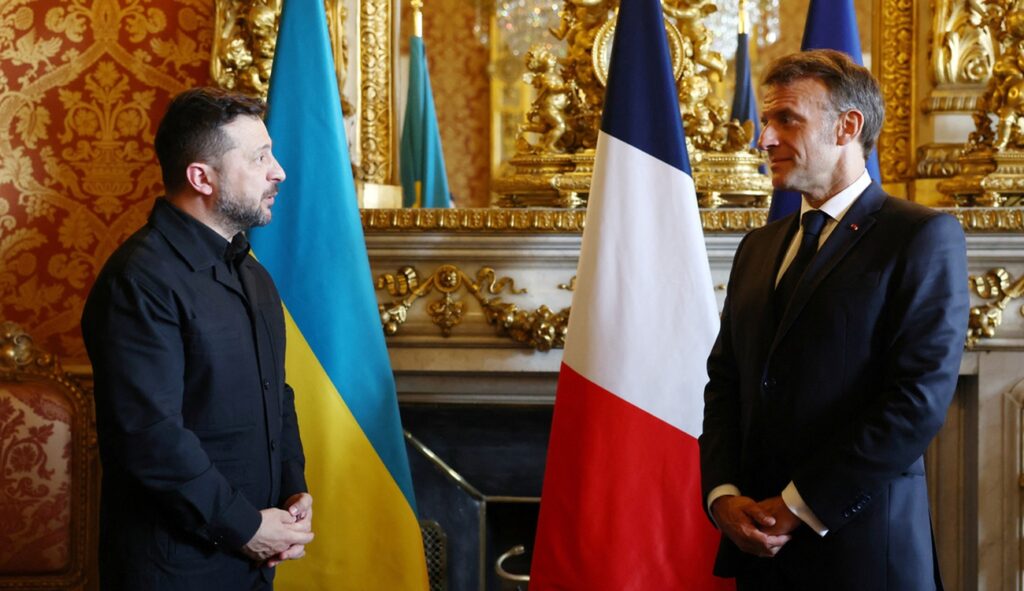
MUNICH, July 15 — The Munich Security Conference has long been a barometer of transatlantic tensions and resolve, a gathering where the weight of global security is measured in handshakes and closed-door exchanges. Against this backdrop, the 2025 edition, held from February 14 to 16, offered a particularly stark reflection of the war in Ukraine and the endurance of Western commitment. Founded by Ewald von Kleist in 1963 as the Wehrkundetagung, the conference has evolved from a small gathering of German and NATO defence officials into a sprawling annual forum.
In the corridors of the Hotel Bayerischer Hof, heads of state, defence ministers, and security experts from NATO countries and beyond now convene each winter. The 2025 conference drew over 100 delegations from 70 countries, a testament to its enduring relevance as a platform for high-stakes diplomacy.
Ukrainian President Volodymyr Zelenskyy took the stage on February 15, delivering a speech that cut to the core of what is at stake. “We don’t want Russia without fuel, we want Ukraine without war,” he said, a line that captured Kyiv’s insistence on a negotiated end to the conflict rather than a punitive campaign against Moscow’s energy sector. The remark was delivered against the wider picture of a war that has dominated the conference agenda since 2022.
The 2024 conference had already focused heavily on the war in Ukraine and the necessity of continued Western aid. By 2025, that theme remained central, though the tone had shifted.
Allies were grappling with questions of fatigue, ammunition stockpiles, and the political sustainability of support. Zelenskyy’s appearance was a reminder that for Ukraine, the stakes have not changed, even as the geopolitical landscape grows more complex. The conference’s origins in the Cold War era lend it a particular resonance.
What began as a forum for German security thinking within the NATO framework now hosts delegations from across the globe. The 2025 gathering, with its record number of participating nations, underscored how far the event has travelled from its early days. Yet the core mission — to foster dialogue on international security policy — remains unchanged.
What to watch next is whether the commitments voiced in Munich will translate into sustained material support for Ukraine as the war enters a new phase. The conference has historically served as a staging ground for announcements and policy shifts, and the 2025 edition was no exception.
For European capitals, the question of how long they can maintain the pace of aid — and at what political cost — looms large.




