
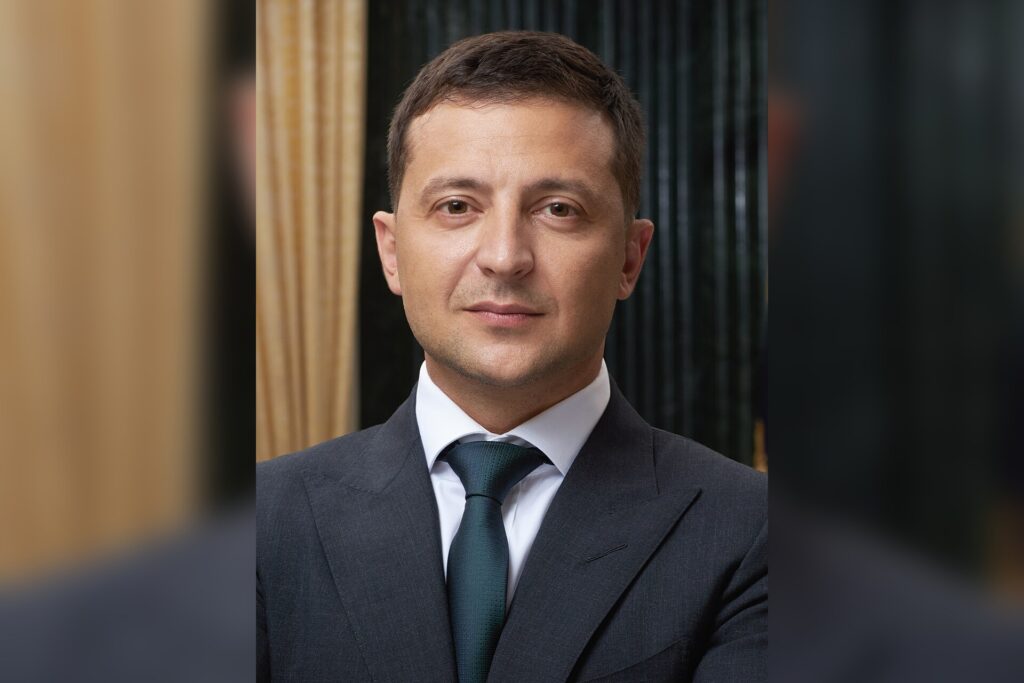
WASHINGTON, July 6 — The shift is subtle but unmistakable: Ukrainian President Volodymyr Zelensky will reportedly not be allowed to address the upcoming NATO summit in Washington, D.C., a decision that signals just how much the alliance’s political calculus is changing. The summit, scheduled for July 9–11, marks NATO’s 75th anniversary. According to a report in The Telegraph, the decision to sideline Zelensky is intended to avoid offending former U.S. President Donald Trump, who has been critical of both NATO and American aid to Ukraine.
Zelensky had been expected to speak at the event, as he did at the 2023 Vilnius summit. That appearance was a centerpiece of last year’s gathering, a clear show of solidarity.
The reported snub this time around is a sharp reversal. What’s changing here is the political temperature. The Telegraph cites unnamed diplomatic sources for the claim, though NATO officials have not confirmed it.
Still, the report reflects real, ongoing tensions within the alliance over continued military and financial support for Ukraine amid Russia’s full-scale invasion, which began in February 2022. The summit’s official focus is alliance unity and support for Ukraine.
But the trend underneath is harder to ignore: the politics of the war are shifting, and the Washington gathering will likely be defined as much by who isn’t speaking as by who is. Watch this space. The decision, if confirmed, would be a significant departure from the public embrace Zelensky received in Vilnius.
It would also mark a clear acknowledgment of Trump’s influence over the alliance’s messaging, even as NATO celebrates three-quarters of a century of collective defense. For Kyiv, the stakes couldn’t be higher. Without a platform to make its case directly to the alliance’s leaders, Ukraine risks being talked about rather than listened to.
What’s next? The summit itself will tell us whether this reported snub becomes a defining moment or just a footnote in the alliance’s complicated relationship with its most vocal critic.




