
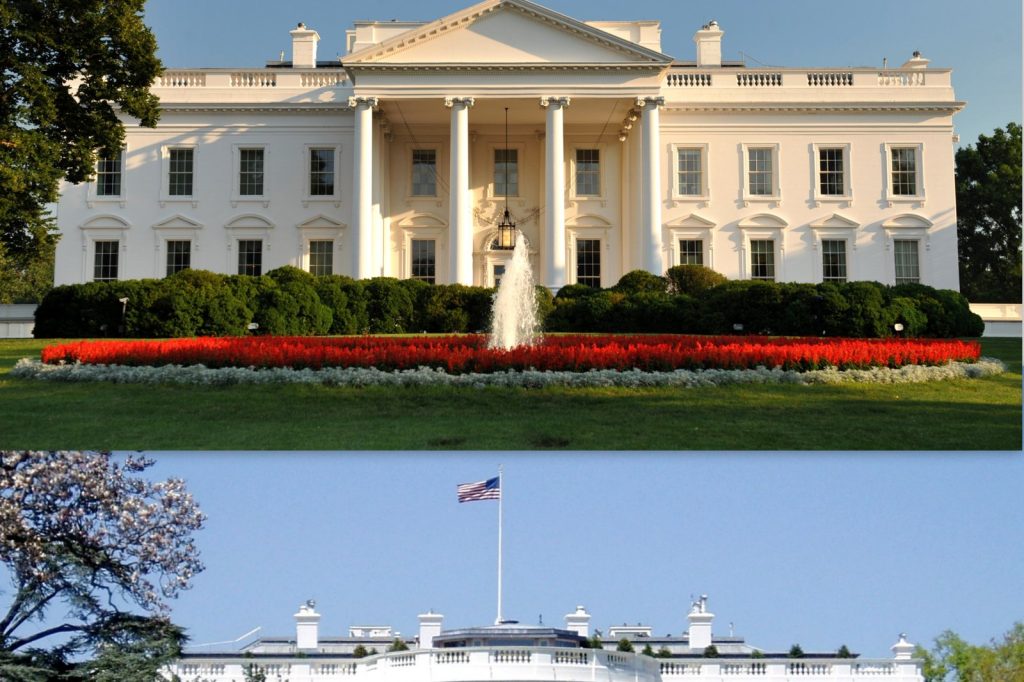
The White House this past week fired off a series of national emergency continuations that read less like routine paperwork and more like a quiet acknowledgment of a world still on fire. Three separate notices landed: Yemen, Iraq, and the Central African Republic. Each one extends a state of emergency already in place.
That means the administration sees no reason to dial back the special powers it has claimed to deal with these crises. Start with Yemen.
The notice continues a national emergency first declared years ago. The situation there remains what it has been — a grinding humanitarian catastrophe layered over a proxy war. By keeping the emergency alive, the administration keeps its legal tools to block assets and restrict transactions tied to the conflict.
It is a holding action. No breakthrough.
No peace deal. Just a recognition that the powder keg is still dry. Iraq is the same story.
The emergency tied to stabilizing that country rolls forward. The Central African Republic gets the same treatment. These are not headline-grabbing moves.
They are maintenance work. The foreign policy machine does not stop when the cameras turn away.
It keeps turning the same bolts. Then there is the Treasury Department. It announced Marketable Borrowing Estimates — the technical forecast for how much debt the government plans to sell.
That is the plumbing of federal finance. It also released an Economic Policy Statement to the Treasury Borrowing Advisory Committee.
Boring stuff on its face. But it sets the table for how much money the government needs to borrow and at what pace. That affects interest rates.
It affects markets. It affects every American with a mortgage or a credit card. Treasury also put out a press release on something called Economic Fury.
The language is blunt: the department acted to disrupt networks supplying weapons and UAV components to Iran. That is a concrete strike against supply chains feeding a hostile power.
It fits a pattern. The administration is not just talking about countering Iran. It is hitting the logistics that keep Iranian drones and missiles in the fight.
On the domestic side, the President issued proclamations. National Physical Fitness and Sports Month.
Jewish American Heritage Month. These are ceremonial. They signal priorities without carrying the force of law.
But they matter for tone. They tell the country what the White House wants to celebrate and who it wants to honor. Victory Day for World War II got a proclamation too.
That is a deliberate nod to history and to the veterans still alive to hear it. It ties the current administration to a legacy of American strength abroad.
No accident there. Defense and national security actions included a Presidential Determination under the National Defense Authorization Act for Fiscal Year 2012. That is old law.
But it gives the President authority to waive certain restrictions on military aid or transfers. Using it now signals that the administration is still working through the legal machinery to move weapons or support where it wants them to go.
Look at the week as a whole. The foreign policy pieces are about continuity. The emergencies stay.
The sanctions stay. The borrowing estimates keep the economy on a known track. The proclamations keep the cultural calendar moving.
Nothing here is a revolution. Nothing is a surprise.
That is the point. The administration is signaling steady hands. No lurching.
No dramatic breaks. Just the slow, grinding work of keeping a superpower running.
Where does it lead? More of the same. The Yemen emergency will renew again.
The Iraq emergency will renew again. Treasury will keep borrowing. Iran will keep facing supply-chain pressure.
The proclamations will come and go with the calendar. This is governance as maintenance.
It is not flashy. But it is how things actually get done.




