
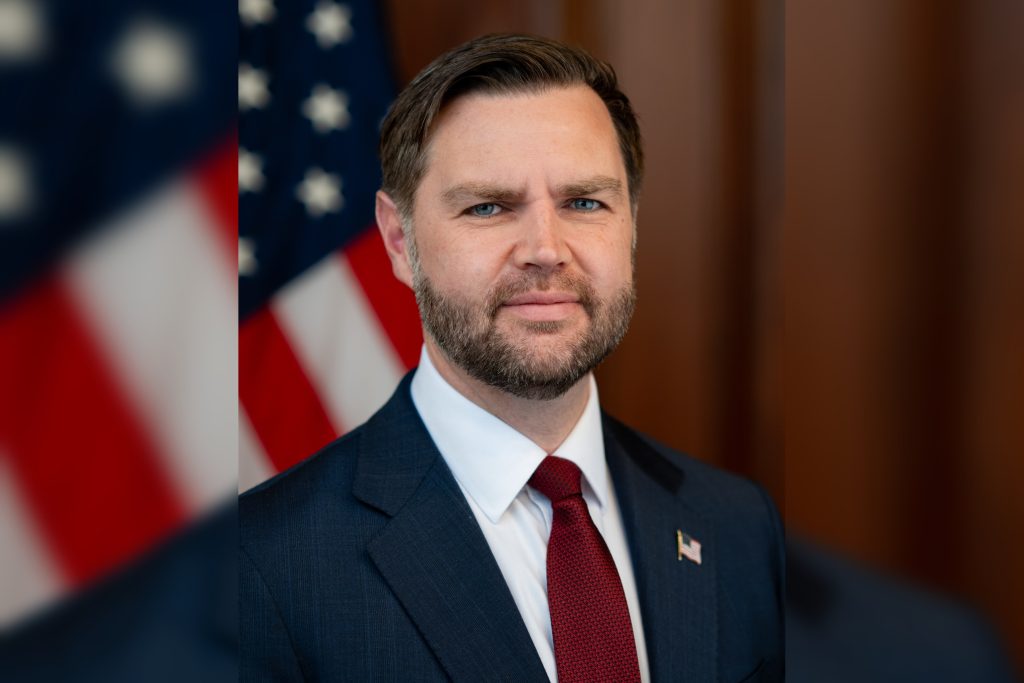
Vice President JD Vance’s planned trip to the region has been pushed back. The White House is not saying when he might go. Behind-the-scenes diplomacy continues.
The delay suggests the deal is fragile and that Washington is not ready to send its second-highest official into the middle of it. That deal is a memorandum of understanding with Iran.
The Trump administration advanced it to defuse tensions and end the conflict on multiple fronts. The agreement calls for a “cessation of hostilities” across various conflict areas. Iran has apparently threatened to stop fighting with Hezbollah in exchange for its involvement in peace talks.
That is the trade. That is the pressure point.
President Donald Trump told The Axios Show on Friday that he sometimes has to keep Israeli Prime Minister Benjamin Netanyahu “a little bit sane.” The remark was blunt. It laid bare how the White House sees the alliance. The US has significant influence over Israel, Trump said.
His administration’s policies have played a “key role” in Israel’s security. Washington remains a key player in the region, especially in the conflict involving Iran and its allies. The US-Israel alliance is strong.
But it is also essentially under American control. That control comes from the US military and diplomatic arsenal.
Israel has reaped significant benefits from US support, Trump noted. The implication is clear: that support comes with strings attached. One of those strings may be a potential Israeli military strike against Hezbollah in Lebanon.
Trump expressed confidence he could convince Israel not to take steps that could threaten the fragile deal. He said Israel does as he says.
That is a heavy claim. It puts the White House squarely in the middle of any decision to escalate or stand down. The situation is complicated.
The memorandum of understanding with Iran is controversial. Trump’s comments have highlighted the complexities of the US-Israel relationship. On one hand, Washington is pushing for a peaceful resolution.
On the other, it is asserting dominance over an ally’s military choices. What comes next depends on whether the diplomacy holds.
The Vance trip delay is a signal. It indicates the administration is not confident enough to send him yet. It also indicates that the talks are still alive.
If they were dead, there would be no reason to postpone. The White House would just cancel.
Iran’s threat to stop fighting Hezbollah is the lever. If peace talks stall, that threat becomes real. Hezbollah is a major force in Lebanon.
A renewed conflict there would destabilize the region further. It would also pull in Israel, which has already shown it is willing to strike. Trump’s confidence is notable.
He said he can keep Netanyahu “a little bit sane.” That is a direct statement about the prime minister’s judgment. It suggests the White House sees Netanyahu as a potential wild card.
The US role, as Trump frames it, is to manage that risk. The administration is betting that its leverage is enough. The US has provided Israel with military support for decades.
That support is not unconditional. Trump’s comments make that explicit.
He is telling Israel: you benefit from us, so you listen to us. Whether that holds is the open question. Netanyahu has his own political pressures.
He has his own military calculus. The White House is now publicly claiming it can control him. That is a bold position.
It invites a test.




