
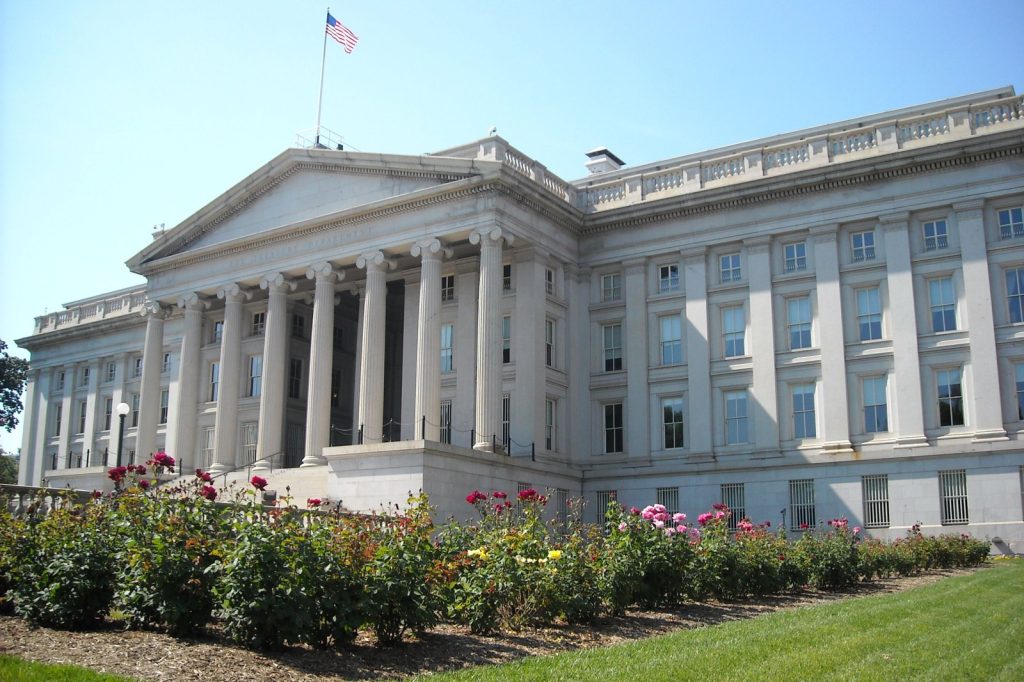
US Treasury Secretary Scott Bessent told reporters the administration will pursue the “toughest” sanctions in history on Iran, and he asked China and other countries to help cut off Tehran’s trade and other economic lifelines.
At the press conference, Bessent said the effort goes beyond Iran itself. Treasury plans to map and choke the networks Tehran uses to move oil and revenue, and countries that keep doing business with Iran will “share in the isolation.” He described the program as a global effort to “sever every economic lifeline that sustains” Iran, said more details would follow rapidly, and told governments they must decide whether they are “with us or against us.” Summing up the approach, he said: “We are going to hold everyone accountable.”
The targets, according to reports of the briefing, include third-party traders, ship registries, swap lines and other conduits that let Iran sell oil and move money despite existing restrictions. Bessent said Treasury has identified nodes and facilitators used to smuggle oil and evade sanctions. Partners that comply, he said, would “reap the rewards.” No detailed list of new designations was released at the briefing.
China’s answer
Bessent urged China to “get with the programme” and pointed to Beijing’s heavy energy dependence on the Gulf. He declined to say publicly whether or how Washington might target China for continued trade with Iran, saying some conversations were better held in private. Trump and senior officials have also been calling foreign leaders to press for cooperation.
Beijing is not convinced. Chinese officials said sanctions and pressure alone will not resolve the conflict, and they spoke against unilateral sanctions not authorized by the UN Security Council. China has not committed to the level of cooperation Washington wants.
Iran’s foreign ministry called the US measures “economic terrorism,” according to state media. Other Iranian officials said the approach was doomed to fail and warned that further measures could bring retaliation. Some reports cited Iranian security officials saying they would treat support for the US campaign as hostile.
Why third countries
Washington has long-standing sanctions on Iran but few direct trade ties that would let it squeeze Tehran bilaterally. So it is turning to the intermediaries. China was Iran’s largest oil buyer before the current conflict, and analysts also named the UAE, Turkey, Iraq and shadow shipping networks as middlemen that kept trade flowing.
The talks take place against a tense regional backdrop that includes disputes over the Strait of Hormuz and a US naval blockade. US Central Command said American forces have redirected and boarded some vessels operating near Iran.
Oil prices moved after the announcements. If Treasury goes after ship registries, swap lines and front companies, banks, insurers and shippers with links to the region would face a heavier compliance burden.




