
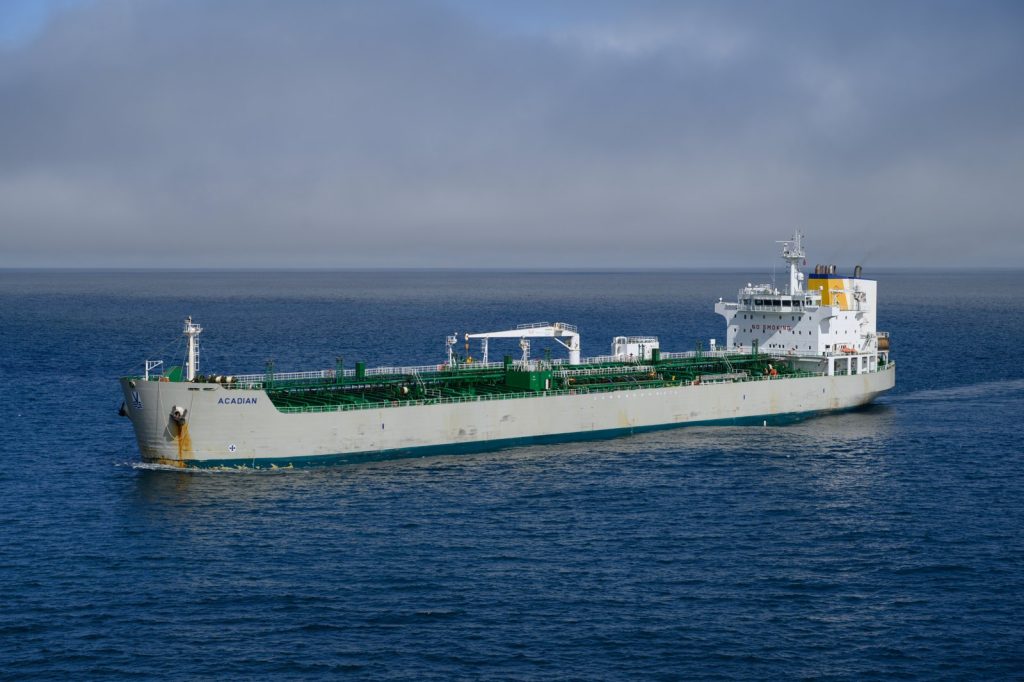
Only six ships passed through the Strait of Hormuz on Tuesday. Before the war began in February, the number on a normal day was 138. That gap shows what the latest round of fighting between the United States and Iran has done to one of the world’s busiest energy routes.
US Central Command said its forces hit Revolutionary Guard targets along Iran’s southern coast on Tuesday, September 1. The command pointed to “recent attempted attacks by the IRGC against commercial shipping in the Strait of Hormuz and against American service members deployed to the region.” Its list of targets ran from air defense sites and radar systems to maritime assets, communications facilities and mine-laying capabilities. President Donald Trump said the strikes concentrated on radar installations already damaged in earlier US and Israeli attacks, and told Fox News the military had been watching Iran rebuild and timed the raids for when that work was nearly finished.
Tehran fires back
Iran answered within hours with missiles and drones aimed at US military sites in Jordan, Kuwait, Bahrain and Iraq. Jordan’s armed forces said they intercepted 10 of 13 ballistic missiles that crossed into its airspace. Kuwait issued emergency alerts and reported shooting down incoming fire, and explosions were heard over the Jordanian city of Aqaba. The United States reported no casualties from the counterattack. The Guards said the strikes had “tightened the grip on the Strait of Hormuz” and warned Washington it would “regret” its actions.
Trump posted on Truth Social that if Iran retaliated it “will be hit again at a much harder and higher level.”
A wedding and a disputed toll
Iranian authorities said civilians died. Euronews reported Iran’s claim that at least four people, a child among them, were killed when a bomb hit a home hosting a wedding in Kuhestak. Time, citing Iranian officials, put the toll in Sirik County at no fewer than five dead and more than 50 injured, with a 4-year-old among the dead. Strikes on the port cities of Chabahar and Konarak also caused damage, and Iranian media described explosions in Bandar Abbas, Qeshm island and Asaluyeh. Hormozgan Province lost power, according to Iran’s national electricity company.
CENTCOM spokesperson Navy Captain Tim Hawkins said the command was aware of the reports, which “originated from Iranian state media,” and added: “The U.S. military never targets civilians.”
A pause ends
The exchange was the most intense in weeks. Time reported that fighting resumed over the preceding weekend with initial US strikes on Larak Island, ending a fragile pause. A memorandum of understanding signed on June 17 had briefly reopened the strait to commercial shipping before talks faltered again.
Diplomacy did not disappear entirely. Iranian President Masoud Pezeshkian said Iran was ready to return to the ceasefire agreed with Washington in June, provided the United States honored its commitments. Trump brushed that aside: “I’m not trying to force Iran to the bargaining table.” Iran’s Ayatollah Mojtaba Khamenei promised “unforgettable lessons for the American enemy” in a post on X.
Markets noticed. Crude oil traded near $90 per barrel, a six-week high.
Sources
- US launches new strikes in southern Iran, Tehran responds with attacks across region | Euronews
- U.S. and Iran Exchange Most Intense Attacks in Weeks | TIME




