
On 11 May, senior officials from the United States and Denmark met to discuss a plan that would see three additional American military installations built on Greenlandic soil. The Danish Ministry of Defence described the talks as “productive” and called the outcome a “significant step forward.” Danish Defence Minister Morten Bødskov echoed this sentiment, saying the dialogue was “open and constructive” and underscored a shared commitment to meeting emerging global challenges.
Greenland, an autonomous territory within the Kingdom of Denmark, sits at a strategic crossroads above the Arctic Circle. Control of the air and sea routes that pass through the region translates into influence over a growing portion of worldwide security interests. The United States has maintained a presence in the Arctic since World War II, and the proposed expansion would deepen that long‑standing partnership.
The push for new bases is driven by a shifting security environment. NATO Secretary‑General Jens Stoltenberg has warned that “the Arctic region is becoming increasingly important for our security” and that preparedness is essential.
Russia, China and Iran are all extending activities northward, ranging from Russian fighter‑jet incursions into NATO airspace to Chinese research vessels conducting seafloor mapping, and Iranian proxies seeking vulnerabilities in global supply chains. Three new installations would provide tangible assets such as runways, radar stations and supply depots, and would host American troops on Danish territory. While the Ministry of Defence did not disclose specific locations, timelines or troop numbers, the announcement signals a concrete step toward a larger U.S. footprint in the Arctic.
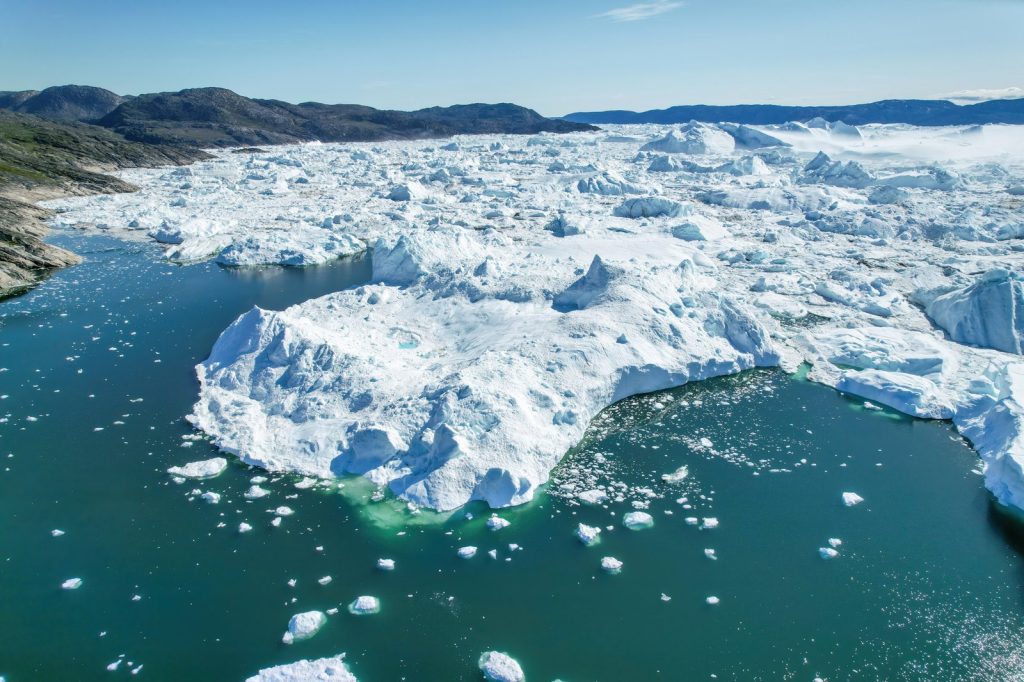
The backdrop to these negotiations is the accelerating melt of Arctic ice. As the ice retreats, new shipping lanes, oil and gas prospects, and fishing grounds become accessible, but each opportunity also creates new security gaps.
Both Washington and Copenhagen view the expansion as a way to close those gaps before other powers fill the vacuum. Greenland’s autonomy means its residents have a voice in the island’s future. The prospect of increased U.S. presence brings potential economic benefits, including jobs and infrastructure development, but also raises concerns about becoming a target in a contested region.
Supplying and defending bases in the harsh Arctic environment presents logistical challenges, making the decision a balance of risk and strategic necessity. The cooperation builds on a history of U.S.–Danish collaboration that dates back to the Cold War, when the Arctic served as a frontline in the standoff between superpowers.
Although the nature of the threat has evolved—from nuclear submarines and bombers to a more diffuse mix of state and non‑state actors—the underlying strategic importance of the high ground remains. Denmark’s role as a key NATO ally is reinforced by the proposed expansion, highlighting that the United States cannot secure the Arctic alone. Existing bases already operating in Greenland provide a foundation for the planned additions, illustrating the need for partners on the ground.
While details remain limited, the characterization of the meeting as productive signals a shift in Arctic policy for both nations. The next phase will determine how the plans are implemented and what impact they will have on Greenland’s communities, the broader Arctic region, and the balance of power among competing global actors.




