
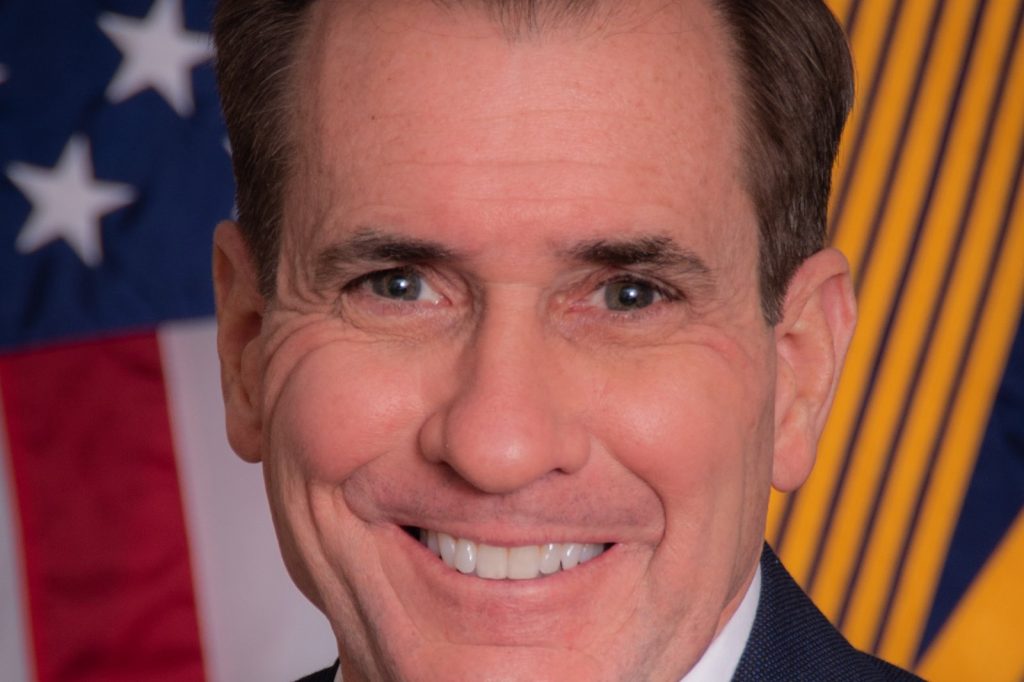
The evidence is mounting, and it points to Moscow. While the world waits for formal investigative conclusions, the United States has already made its position clear: Russia shot down that Azerbaijan Airlines flight. John Kirby, the National Security Council spokesperson, stated it outright.
The implications are immediate and dangerous. This is not a small incident.
A civilian airliner, full of passengers, brought down by a nation-state’s military. The echoes of Malaysia Airlines Flight 17 over Ukraine in 2014 are impossible to ignore. That incident, too, involved a surface-to-air missile, a civilian target, and a trail of blame leading back to Russian-backed forces.
The pattern is grimly familiar. The question now is not whether this will escalate tensions, but how far the escalation will go.
The National Security Council, the body Kirby speaks for, is no minor office. Established in 1947 under Harry Truman, it sits at the nerve center of American foreign policy. It advises the President directly.
When it makes a claim like this, it is not speculation. It is a formal accusation, backed by intelligence the public has not seen. The council coordinates policy across the entire executive branch.
This means the U.S. response will be coordinated, not haphazard. Sanctions, diplomatic expulsions, or a shift in military posture are all on the table.
For Azerbaijan, the calculus is brutal. A national carrier has been destroyed. Citizens are dead.
The perpetrator is a powerful neighbor. Baku cannot retaliate militarily.
It cannot afford to sever ties entirely. But it also cannot ignore the evidence. Their diplomats will be working furiously, caught between the need for justice and the reality of geography.
Russia holds significant leverage in the South Caucasus. The broader global security picture is darkening. If a major power can down a civilian airliner with apparent impunity, the safety of air travel itself is called into question.
What guarantees exist for any flight that passes near a contested airspace? The mechanisms meant to prevent this — no-fly zones, hotlines between military commands, international aviation protocols — have now failed twice in a decade.
That is not a coincidence. That is a systemic breakdown. Russia will deny it.
That is almost certain. They will point to Ukraine, or to technical failure, or to some third party.
But the U.S. statement, coming from the NSC, carries weight. It forces other nations to take a side. The United Nations Security Council will see resolutions.
Allies will be pressed for public statements. The incident will dominate diplomatic cables for weeks. What comes next depends on the evidence.
If the wreckage yields a definitive missile type, or if communications intercepts are released, the pressure on Russia becomes overwhelming. If the evidence remains classified, the story becomes a war of narratives.
Either way, trust has been eroded. Nations will think twice before routing their airlines over certain regions. Insurance premiums will rise.
Travel will become more complicated. The investigation is ongoing.
That is the official line. But the U.S. has already drawn its conclusion. The rest of the world is now forced to catch up.
This is not a moment for cautious hedging. It is a moment that tests whether international norms are real or merely words on paper. A civilian airliner does not fall from the sky by accident.
Someone fired the weapon. And the United States has named who it believes that someone is.




