
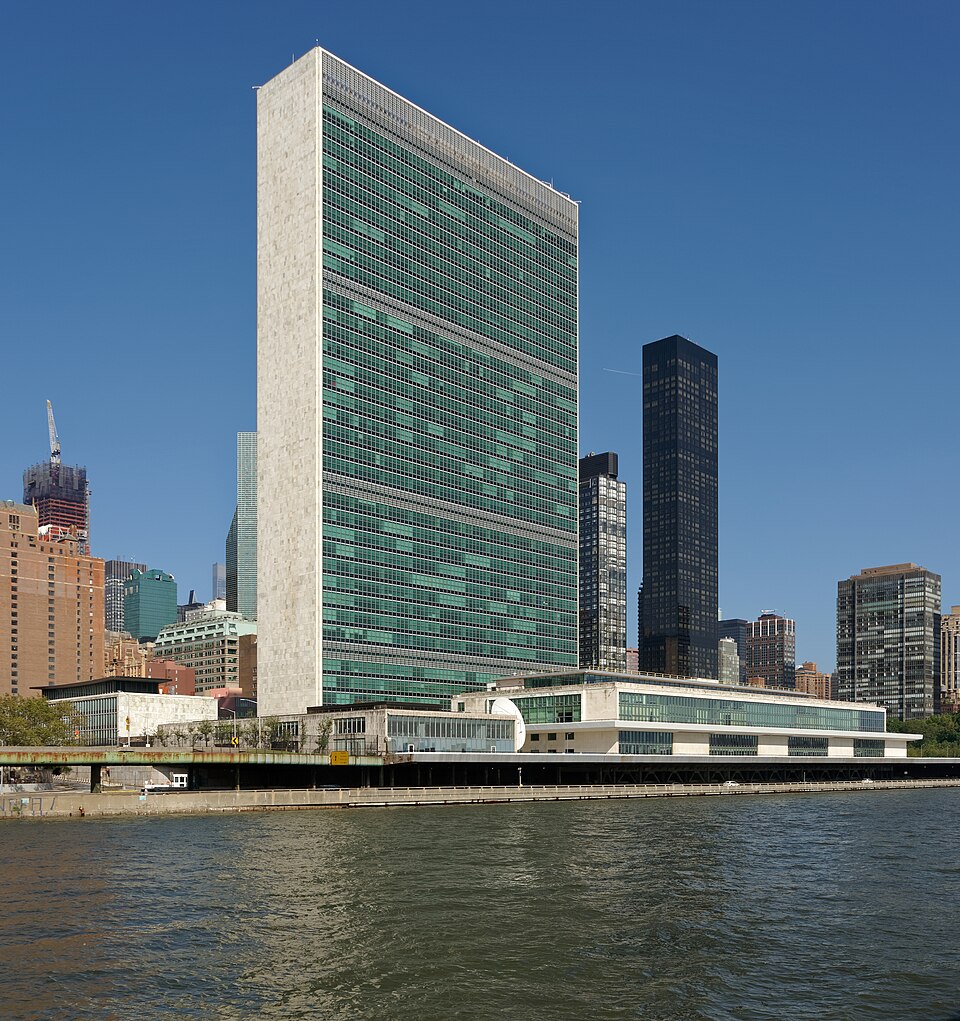
On April 7, 2022, the United Nations General Assembly was set to vote on a resolution to suspend Russia from the UN’s Human Rights Council, a move initiated by the United States in response to allegations of war crimes committed by Russian forces in Ukraine. The vote came after the discovery of hundreds of bodies in towns near the Ukrainian capital Kyiv, which sparked global outrage and calls for tougher sanctions on Russia.
The US and other Western countries have been critical of Russia’s actions in Ukraine, while China has been more muted in its response. The crisis in Ukraine began in late February 2022, when Russian forces launched a large-scale invasion of the country.
The invasion was widely condemned by the international community, and the UN General Assembly passed two resolutions in March 2022, blaming Russia for the humanitarian crisis in Ukraine and urging an immediate ceasefire and protection for civilians. The resolutions were supported by a large majority of UN member states, with 140 countries voting in favor of the first resolution and 141 voting in favor of the second. However, Russia and its allies, including China, opposed the resolutions, and Russia has continued to deny any wrongdoing in Ukraine.
The UN Human Rights Council is a 47-member body responsible for promoting and protecting human rights around the world. The council is based in Geneva and its members are elected by the UN General Assembly for three-year terms.
The council has been criticized in the past for including countries with poor human rights records, and the US has been a vocal critic of the council’s membership. In 2006, the UN General Assembly passed a resolution establishing the Human Rights Council, which included a provision allowing for the suspension of membership rights of a country that commits gross and systematic violations of human rights. This provision is the basis for the current resolution to suspend Russia from the council.
The resolution to suspend Russia from the Human Rights Council has been supported by the US and other Western countries, as well as many countries in Eastern Europe and Latin America. US Ambassador Linda Thomas-Greenfield has been a vocal advocate for the resolution, saying that “Russia’s participation in the Human Rights Council is a farce” and that the country’s actions in Ukraine are “a grave concern”.
Thomas-Greenfield has also said that the images of atrocities committed in Ukraine, including the town of Bucha, “require us now to match our words with action”. Russia, on the other hand, has opposed the resolution, with its ambassador in Geneva, Gennady Gatilov, calling the US action “unfounded and purely emotional bravado”.
Gatilov has also said that the US is exploiting the Ukrainian crisis for its own benefit, and that the resolution is an attempt to exclude or suspend Russia from international organizations. The vote on the resolution to suspend Russia from the Human Rights Council has significant implications for the future of the council and the UN’s ability to promote and protect human rights. If the resolution is passed, it would be a major blow to Russia’s international reputation and could lead to further sanctions and isolation.
It would also be a significant victory for the US and other Western countries, which have been pushing for tougher action against Russia. However, if the resolution fails, it could undermine the credibility of the Human Rights Council and the UN’s ability to hold countries accountable for human rights abuses.
As Thomas-Greenfield has said, “we cannot let a member state that is subverting every principle we hold dear continue to sit on the UN Human Rights Council”. The vote is also being closely watched by China, which has been a key ally of Russia in the UN and has opposed Western efforts to criticize or sanction Russia. China’s ambassador to the UN, Zhang Jun, has said that China opposes the resolution and believes that it is not an effective way to promote human rights.
The outcome of the vote on the resolution to suspend Russia from the Human Rights Council will have far-reaching implications for the future of the council and the UN’s ability to promote and protect human rights. The vote is a test of the international community’s commitment to holding countries accountable for human rights abuses, and it will be closely watched by countries around the world.
As the UN General Assembly prepares to vote on the resolution, the international community is waiting with bated breath to see what the outcome will be, and how it will impact the future of the Human Rights Council and the UN’s ability to promote and protect human rights. The US and other Western countries are pushing for a strong response to Russia’s actions in Ukraine, and the vote on the resolution is a key part of that effort.
Whether or not the resolution is passed, it is clear that the international community will continue to be focused on the crisis in Ukraine and the need to hold countries accountable for human rights abuses.




