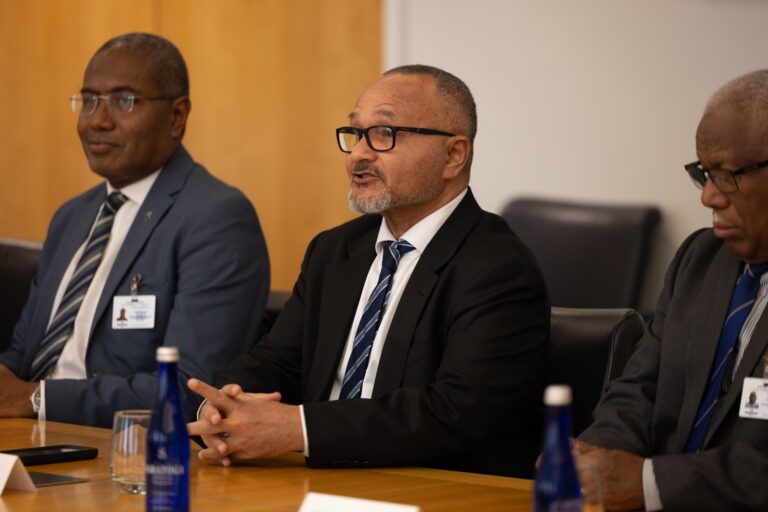
More than 20 million excess deaths between 2020 and 2023, and losses above US$10 trillion to the global economy. Those were the figures WHO Director-General Tedros Adhanom Ghebreyesus put in front of world leaders at the United Nations on September 25, 2026, as the General Assembly held its second high-level meeting on pandemic prevention, preparedness and response.
Gulf News reported that leaders used the session to renew their commitment to readiness for the next pandemic, calling for sustained investment and closer cooperation. The first such meeting took place in 2023. This one was meant to end with a short, action-oriented political declaration agreed in advance through negotiations among governments.
What three years have bought
Countries pointed to concrete gains since 2023. The WHO Pandemic Agreement has been adopted, and the International Health Regulations (2005) have been amended. New centres now focus on epidemic and pandemic surveillance, pathogen sharing, and local manufacturing of vaccines, treatments and diagnostics.
Tedros said continued action and investment were still needed to sustain that progress. The UN’s own briefing for the meeting was blunter about what remains undone: unequal access to health products, fragmented financing and governance, and weak surveillance, laboratory and health-system capacity.
The annex that holds everything up
The sticking point is an annex to the Pandemic Agreement that would set up the Pathogen Access and Benefit-Sharing system, known as PABS. The idea is simple to state and hard to negotiate. Countries share samples and genetic data on pathogens with pandemic potential, and in return get a share of any vaccines, treatments and diagnostics that come out of them.
Until the annex is finished, the agreement cannot be opened for signature. UN News described talks as stalled, with developing countries on one side and some high-income European nations, together with the United States, on the other. The World Health Assembly, which brings together WHO’s 194 members, is due to take the annex up again in May 2027.
The meeting also stressed a One Health approach, which links human, animal and environmental health, and the need for resilient health systems.
No consensus on the day
The declaration did not go through smoothly. UN News reported that objections from the United States and a few other states blocked approval by consensus on September 25, sending the text back to the full Assembly. The US representative had cited “divisive ideologies that lack definitional consensus” and the declaration’s references to the continuing annex talks.
On October 12 the Assembly adopted it anyway, 153 votes to three. Argentina, Israel and the United States voted no; New Zealand and Paraguay abstained. The text is political and non-binding. It calls for stronger cooperation guided by science, equity and respect for human rights, and it welcomes the WHO Pandemic Agreement.
Chile’s representative put the majority view plainly: “no country, no matter how big it might be or how prepared it might be, can alone address a threat that knows no borders.” Tedros urged countries to finish the PABS annex so the agreement can be opened for signature and begin ratification.
Sources
- High-level Meeting on Pandemic Prevention, Preparedness and Response | General Assembly of the United Nations
- World Leaders at UN General Assembly Renew Commitment to Pandemic Preparedness and Global Health Security
- General Assembly adopts pandemic declaration, but not by consensus | UN News