
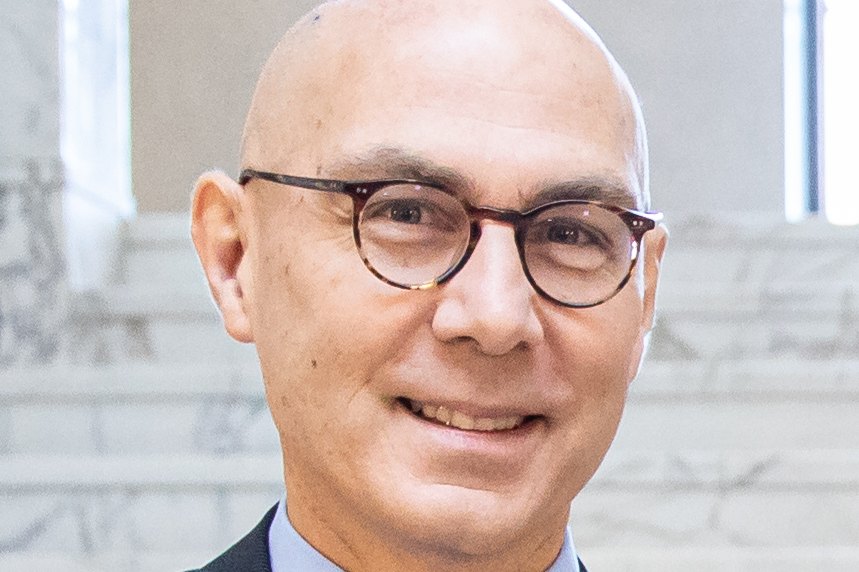
Six million people uprooted inside Sudan. Another 4.5 million across its borders. Those were the figures UN human rights chief Volker Türk put before the Human Rights Council on Monday as he pressed for an end to a war that has now outlasted most diplomatic patience.
“There needs to be an immediate ceasefire, an end to foreign involvement, and a return to inclusive civilian rule,” Türk told the council in Geneva.
He was speaking alongside the findings of the UN’s independent fact-finding mission on Sudan. Its investigators say the Sudanese Armed Forces and the Rapid Support Forces are both flying long-range drones, and the targets include homes, hospitals and markets. The mission reported “reasonable grounds to believe that both the SAF and the RSF committed serious violations…which may amount to war crimes.”
Hospitals hollowed out
For families in Khartoum, the damage is not abstract. The World Health Organization confirmed that major teaching hospitals in the capital have suffered heavy structural damage. Operating theaters are destroyed, and whole departments no longer function. Doctors and nurses still treat patients in whatever corners remain usable.
Outside hands in the war
The mission chair, Mohamed Chande Othman, argued that outside backing keeps the fighting alive. “Foreign support is sustaining a war in which both sides may have committed war crimes,” he warned. The report points to entities in the United Arab Emirates, Chad and Libya, and the investigators also name Somalia in connection with support for the paramilitary side. It describes Colombian personnel operating drones for the Rapid Support Forces.
The mission asked for unlawful military support to stop, for the arms embargo that now covers Darfur to be extended across the whole country, and for protection for witnesses who face intimidation from every party to the conflict.
Sudan’s attorney general pushed back. She rejected any equivalence between the two sides, called the conflict a “proxy war” sponsored by the UAE, and opposed a wider embargo. She pointed instead to a national investigation that has documented over 153,000 criminal cases.
The council was divided on what should come next. The European Union and the Nordic and Baltic countries backed extending the mission’s mandate. Kenya and Egypt stressed respect for Sudan’s sovereignty and African-led solutions, and Egypt rejected comparing the army with the Rapid Support Forces. Civil society groups asked for a full two-year extension, so that investigators can keep recording violations and preserving evidence for later accountability.
For ordinary Sudanese families, none of those arguments in Geneva changes the arithmetic of displacement. Türk’s demand stands as he put it: a ceasefire first, then an end to outside involvement, then civilian rule.
Sources
- UN Rights Chief Türk Urges End To Sudan Conflict
- Sudan: UN Human Rights Council Urged to Widen Sudan Arms Embargo and Extend Fact-Finding Mission




