
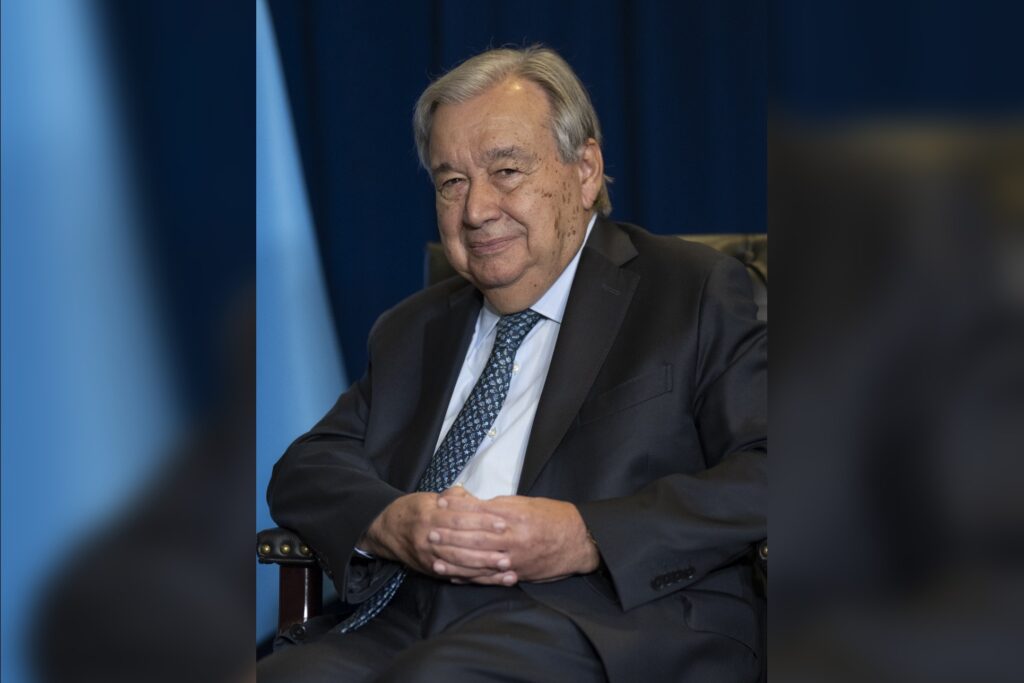
The address came in the city of Dickens, so the UN secretary general reached for Dickens. Speaking at London Climate Action Week on Tuesday, António Guterres said the world faces a “tale of two crises,” and he did not leave the audience guessing about the culprit.
The climate crisis, he said, is driving the planet toward catastrophic tipping points. The energy crisis shows how foolish it is to depend on hydrocarbons. “On the surface, these crises may seem separate, but they share the same destructive origin: fossil fuels.”
The backdrop was hard to miss. Britain was in an unprecedented heatwave that had set off worries about health, schools, workplaces and transport. LBC reported that temperatures were expected to break the June record from 1976 by several degrees, with a heat dome settling over western Europe.
A warning on the overshoot
Guterres reminded delegates what countries signed up to in the 2015 Paris Agreement, which was to pursue efforts to hold warming to 1.5C above pre-industrial levels. Scientists now expect annual average temperatures to go past that mark. His request was to keep the overshoot as small and brief as possible and then bring temperatures back down.
“Every fraction of a degree matters. Every moment counts,” he said. The longer and higher the overshoot, the likelier the world is to cross tipping points that cannot be reversed.
The UN Scientific Advisory Board published a briefing the same day on what that would mean. Coral reefs would head toward collapse. Ice sheets would shrink faster and lock in sea-level rise. The Amazon rainforest could start to look like savanna, and the ocean circulation that governs weather and rainfall would weaken.
Seven steps
Guterres argued that the Middle East conflict had exposed an outdated development model. Under it, he said, one conflict can upend global energy supply and one chokepoint can send prices soaring. LBC noted that the fighting continues to drive volatility in global markets as fossil fuel prices surge.
His exit route was clean energy, which he called the cheapest, fastest and most scalable new electricity in most of the world. He set out seven steps for countries. The first was immediate action on methane, and he opened a global “call to action on methane” on the spot. Voluntary measures, he said, are no longer enough.
The other asks included taxing the windfall profits of oil and gas companies, removing harmful subsidies, delivering climate finance to poorer countries, and protecting scientific independence.
One request went to the technology sector. He announced an AI environmental transparency initiative and asked every major AI company to disclose its carbon, water and land footprint, and to run every data centre on renewable energy by 2030.




