
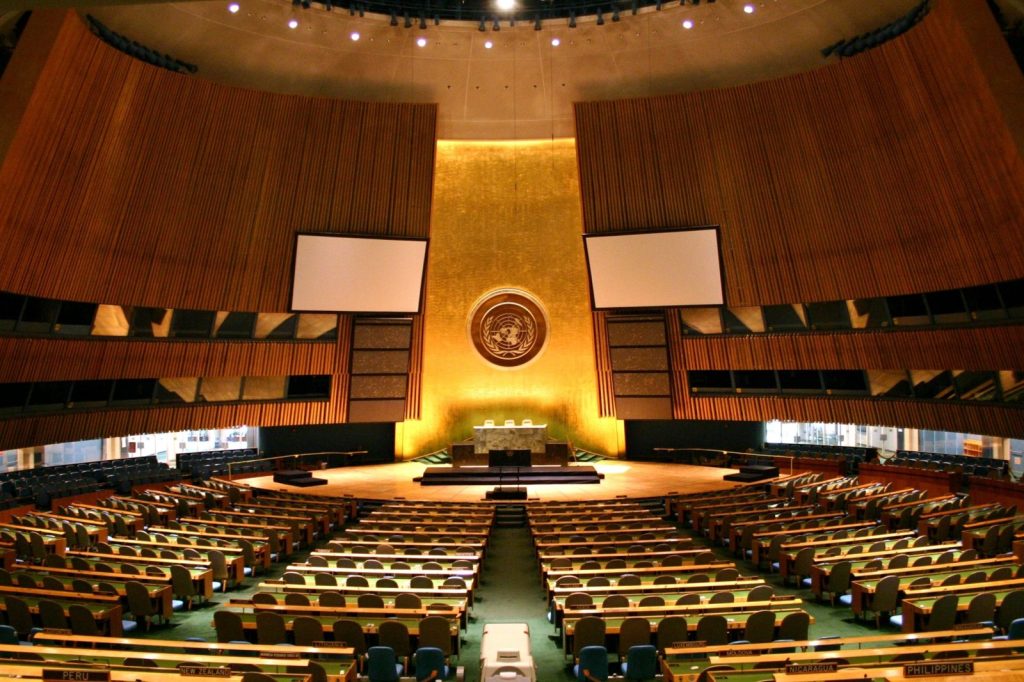
On 7 April, the United Nations General Assembly voted 93‑24, with 58 members abstaining, to suspend the Russian Federation from the Human Rights Council. The resolution, which required a two‑thirds majority of members present, cited “grave concern” over the killing of civilians in Bucha and other towns near Kyiv that had been under Russian occupation.
The decision instantly revokes Moscow’s right to speak or vote in the 47‑state council. When the electronic tally froze at 93 affirmative votes, delegates broke into applause, while 24 countries—including China, Cuba, Iran and Syria—cast “no” votes. Brazil, India, Mexico and South Africa were among the 58 abstentions that enabled the motion to pass comfortably.
Russia’s deputy ambassador, Gennady Kuzmin, denounced the measure as “an attempt by the United States to maintain its dominant position and human‑rights colonialism,” before exiting the chamber.
The vote followed harrowing evidence that emerged after Ukrainian forces reclaimed the suburb of Bucha on 2 April. Satellite images, body‑camera footage and eyewitness testimonies documented at least 300 civilians shot, many with their hands bound. Ukraine’s prosecutor‑general Iryna Venediktova reported on 6 April that preliminary investigations indicated “multiple executions committed by Russian troops between 10 and 31 March.”
UN under‑secretary‑general for political affairs Rosemary DiCarlo addressed the assembly, noting that “we have seen bodies lying in the street, some with signs of summary execution.” While the UN could not verify every detail, she said the pattern demanded accountability. The remarks swayed several undecided states; Singapore, traditionally neutral, remarked that the footage “tested the credibility of the Council itself.”
Within hours of the vote, Russia announced its withdrawal from the council, labeling it “monopolised by states that trample on human rights.” Foreign‑ministry spokeswoman Maria Zakharova said Moscow would protect its interests through bilateral channels and alternative multilateral formats, with analysts expecting a shift toward the Shanghai Cooperation Organisation and the CSTO.
An investigative commission created by the Human Rights Council in March will continue gathering evidence, its mandate extending to December 2023. However, any referral to international courts remains blocked by Russia’s veto power on the Security Council.
The suspension highlights structural flaws in the UN’s human‑rights system. Although Russia loses its voting privilege, it retains access to draft texts and can still lobby allies. The precedent is not unprecedented: Saudi Arabia, suspended in 2016 over the Yemen conflict, rejoined the following year.
Human‑rights organisations welcomed the outcome but cautioned against selective outrage. Louis Charbonneau, UN director at Human Rights Watch, warned that “states that cheered Russia’s ouster continue to shield allies accused of atrocities,” pointing to ongoing inaction on Egypt, the Philippines and the United Arab Emirates.
Western diplomats acknowledge that the vote succeeded largely because Russia’s aggression in Europe threatened broader security, a lens rarely applied to abuses elsewhere. Russia’s departure leaves an empty seat in the Eastern European group until the next election in October; Prague has signalled its intention to vie for the slot, pledging to “restore integrity” to the regional contingent.
For Ukrainian activists, the symbolic victory matters. Oleksandra Matviichuk, head of the Kyiv‑based Center for Civil Liberties, said, “The UN told us we matter. But the dead in Bucha will not return; we need courts, not just resolutions.” The General Assembly’s action marks the first time a permanent Security Council member has been expelled from a UN subsidiary body.
With fighting ongoing in Donbas and fresh allegations emerging from newly occupied territories, pressure mounts on the Human Rights Council to move beyond condemnation toward concrete legal mechanisms. Whether the momentum endures or fades as headlines dim will determine if Thursday’s vote represents a lasting shift or a temporary expedient.




